English
 中文简体
中文简体 Deutsch





Content
- 1 Introduction to ANSI Standard Flanges
- 2 Key Features of ANSI Standard Flanges
- 2.1 ANSI Standard Flanges for High Pressure Performance
- 2.2 Stainless Steel ANSI Standard Flanges Corrosion Resistance
- 2.3 ANSI Standard Flanges Dimensions Guide for Accurate Engineering
- 2.4 ANSI Standard Flanges Material Selection Criteria
- 2.5 ANSI Standard Flanges Industrial Applications in Diverse Sectors
- 3 Types and Design of ANSI Standard Flanges
- 4 Technical Specifications to Consider
- 5 Installation and Maintenance Best Practices
- 6 Case Studies and Applications
- 7 Conclusion
- 8 FAQ
- 9 References
Introduction to ANSI Standard Flanges
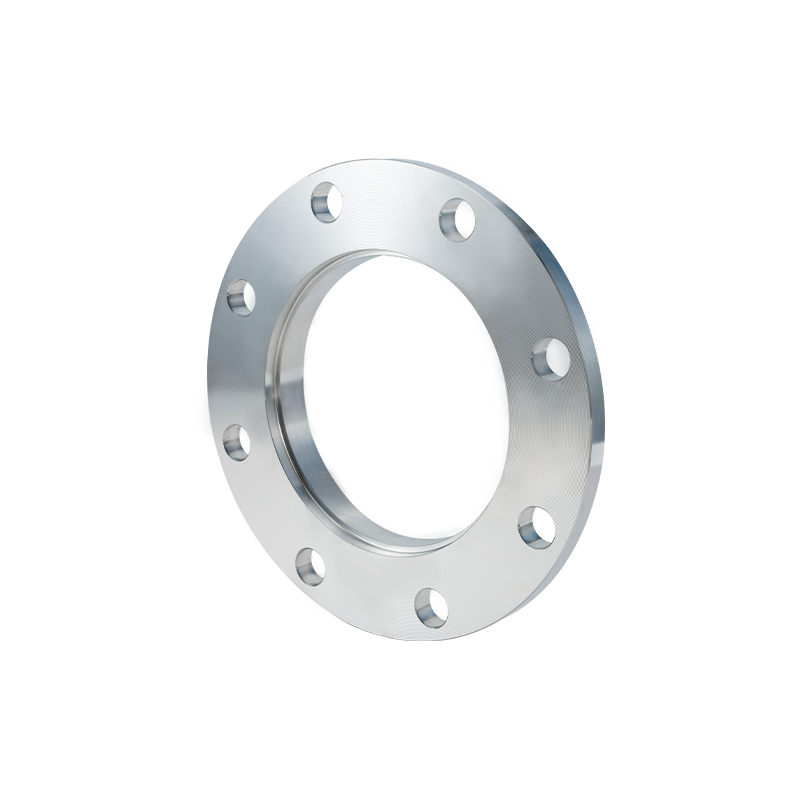
ANSI Standard Flanges play a crucial role in piping systems, providing secure connections between pipes, valves, and other equipment. Standardization ensures compatibility, safety, and reliability across industrial applications. Engineers rely on these flanges to maintain pressure integrity and reduce the risk of leaks in high-stress environments.
Key Features of ANSI Standard Flanges
ANSI Standard Flanges for High Pressure Performance
High-pressure ANSI flanges are designed to withstand extreme operating pressures without deformation. ANSI Standard Flanges for High Pressure incorporate thicker material and reinforced bolt patterns to maintain mechanical integrity under demanding conditions. They are widely used in oil, gas, and petrochemical pipelines.
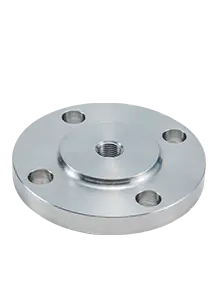
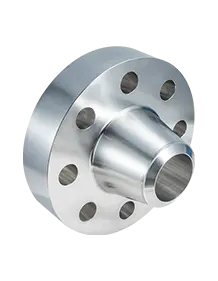
Stainless Steel ANSI Standard Flanges Corrosion Resistance
Stainless steel flanges resist corrosion, oxidation, and chemical degradation. Stainless Steel ANSI Standard Flanges are essential for environments exposed to moisture, acids, or high temperatures, ensuring long-term reliability and minimal maintenance requirements.
ANSI Standard Flanges Dimensions Guide for Accurate Engineering
Accurate dimensioning is critical in engineering projects. The ANSI Standard Flanges Dimensions Guide provides detailed specifications for bolt circle diameter, flange thickness, and hub design, ensuring proper fitment and performance in assembly processes.
ANSI Standard Flanges Material Selection Criteria
Material selection affects pressure tolerance, temperature resistance, and lifespan. ANSI Standard Flanges Material Selection involves choosing between carbon steel, stainless steel, alloy steel, or specialty metals depending on application demands and environmental conditions.
ANSI Standard Flanges Industrial Applications in Diverse Sectors
These flanges are used extensively across oil and gas, chemical processing, power generation, and food industries. ANSI Standard Flanges Industrial Applications benefit from standardized sizing and material properties, reducing installation errors and ensuring operational safety.
Types and Design of ANSI Standard Flanges
Engineers must select appropriate flange types for each application:
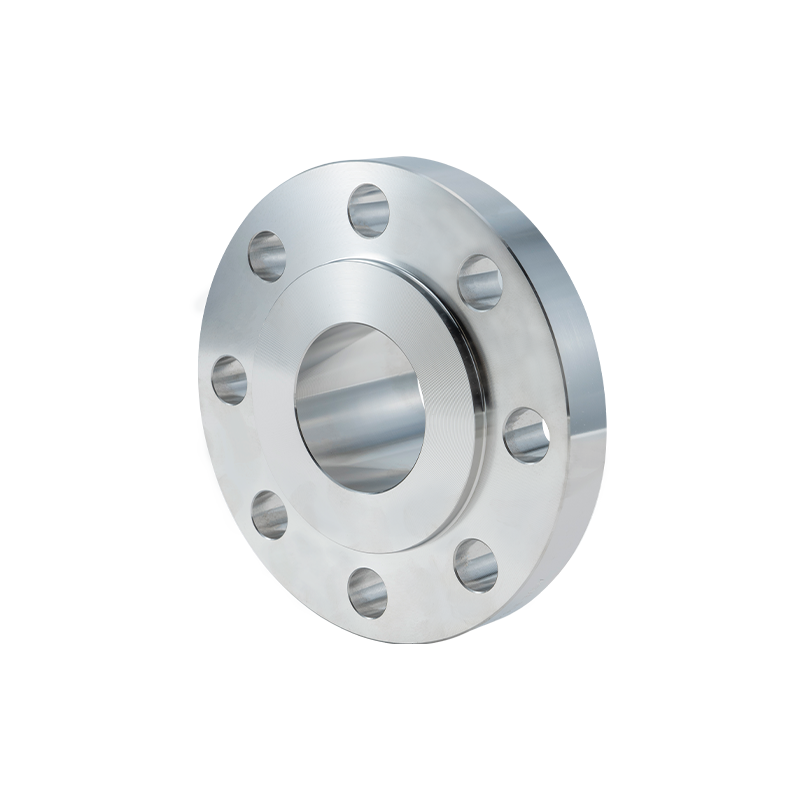
- Weld Neck Flanges
- Slip-On Flanges
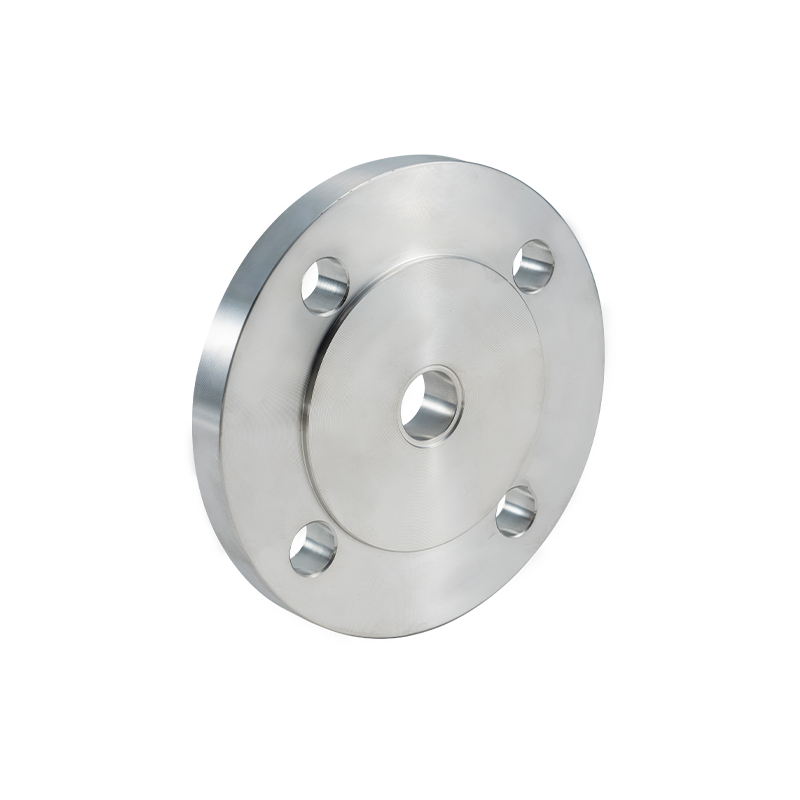
- Blind Flanges
- Socket Weld Flanges
The following table compares common flange types with pressure rating, thickness, and typical applications:
| Type | Pressure Rating | Flange Thickness | Application |
| Weld Neck | 150–2500 PSI | 12–38 mm | High-pressure pipelines, critical joints |
| Slip-On | 150–600 PSI | 10–25 mm | General piping systems, low-pressure fluid transport |
| Blind | 150–2500 PSI | 15–40 mm | Pipe closures, maintenance access points |
| Socket Weld | 150–3000 PSI | 12–35 mm | Small-diameter high-pressure piping |
Technical Specifications to Consider
- Pressure class and bolt circle diameter to ensure compatibility with system requirements.
- Material properties including tensile strength, corrosion resistance, and thermal expansion.
- Gasket type selection to maintain a secure seal under operating conditions.
- Compliance with ANSI/ASME B16.5 and related standards for safety and reliability.
Installation and Maintenance Best Practices
- Use proper torque settings on bolts to prevent flange distortion.
- Inspect flanges for surface defects before installation to avoid leaks.
- Apply anti-seize compounds where necessary to facilitate future maintenance.
- Store flanges in controlled environments to prevent corrosion or damage.
Case Studies and Applications
- Oil and gas pipelines: ANSI Standard Flanges for High Pressure maintained integrity under 2500 PSI in field trials.
- Chemical plants: Stainless Steel ANSI Standard Flanges resisted corrosion from acidic media for over 10 years.
- Power generation: ANSI Standard Flanges Dimensions Guide ensured accurate alignment in steam turbine systems.
- Food processing: ANSI Standard Flanges Material Selection enabled hygienic connections for sanitary piping.
Conclusion
ANSI Standard Flanges provide reliability, standardization, and performance across various industries. Selecting the right type, material, and specification ensures system safety and reduces operational risks. Engineers and procurement professionals benefit from understanding detailed technical criteria, material properties, and ANSI compliance standards when sourcing flanges.
FAQ
1. What are the benefits of using ANSI Standard Flanges?
They provide standardized sizing, ensure safety, maintain pressure integrity, and allow easy integration across industrial piping systems.
2. How do Stainless Steel ANSI Standard Flanges improve corrosion resistance?
Stainless steel resists oxidation, rust, and chemical attack, making these flanges suitable for corrosive or high-moisture environments.
3. Why is ANSI Standard Flanges Dimensions Guide important?
Accurate dimensions prevent misalignment, ensure proper gasket sealing, and facilitate efficient installation, reducing downtime and errors.
4. What factors are critical in ANSI Standard Flanges Material Selection?
Engineers must consider operating pressure, temperature, chemical exposure, and longevity to select the most appropriate material for specific industrial applications.
References
- ASME B16.5: "Pipe Flanges and Flanged Fittings," American Society of Mechanical Engineers, 2021.
- Brown, R. "Industrial Piping and Valve Systems," Springer, 2020.
- ISO 7005-1: "Metal Flanges – Part 1: Steel Flanges," International Organization for Standardization, 2019.
- Smith, J. "Engineering Standards for Piping Components," McGraw-Hill, 2021.
- National Association of Corrosion Engineers (NACE), "Material Selection for Piping Systems," 2022.
 Previous