English
 中文简体
中文简体 Deutsch





Content
Ra Surface Finish and Micro-Sealing Integrity Analysis
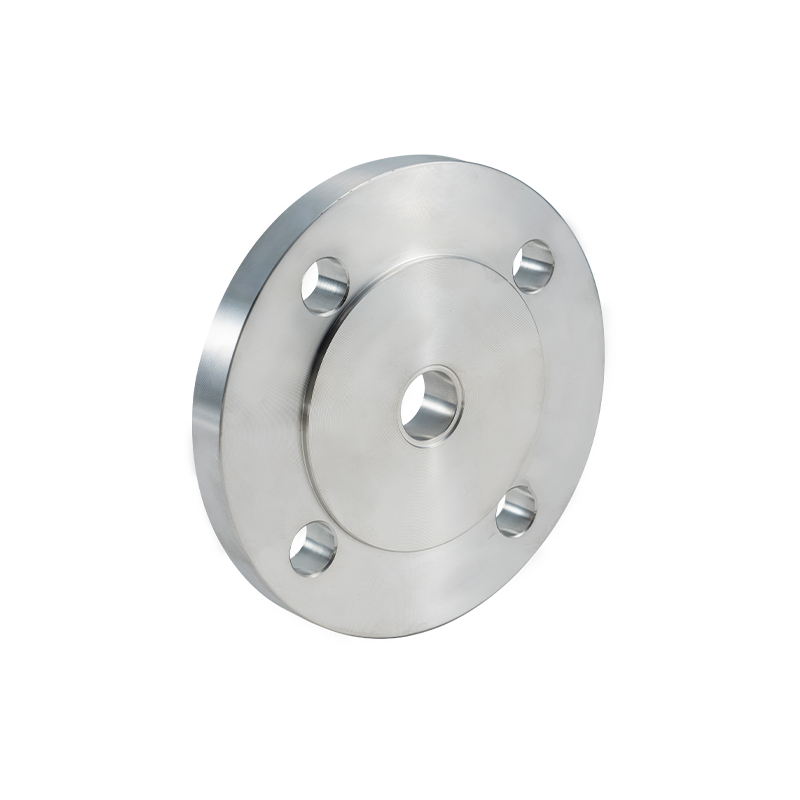
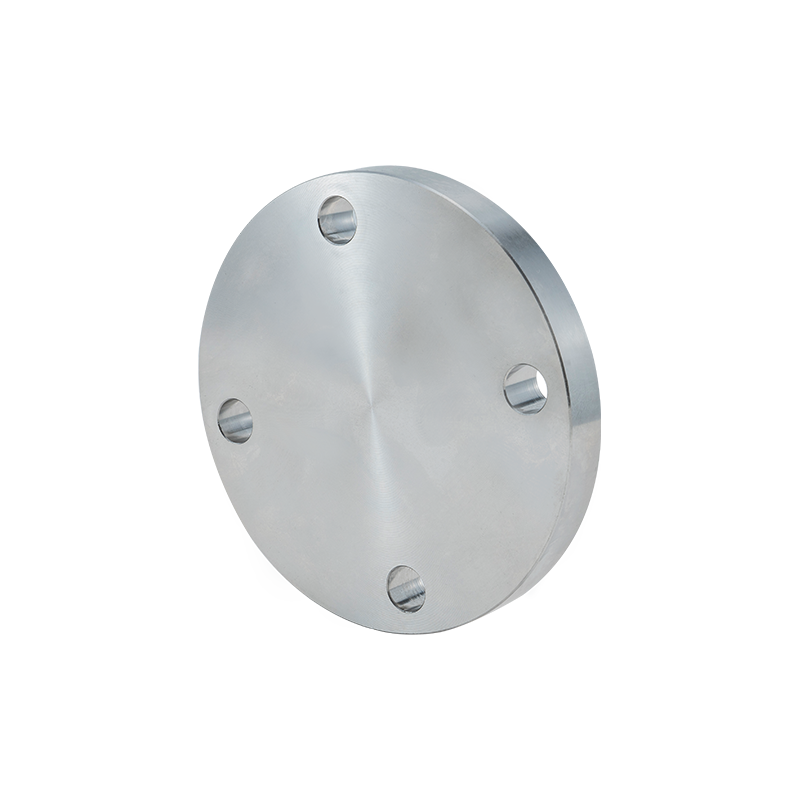
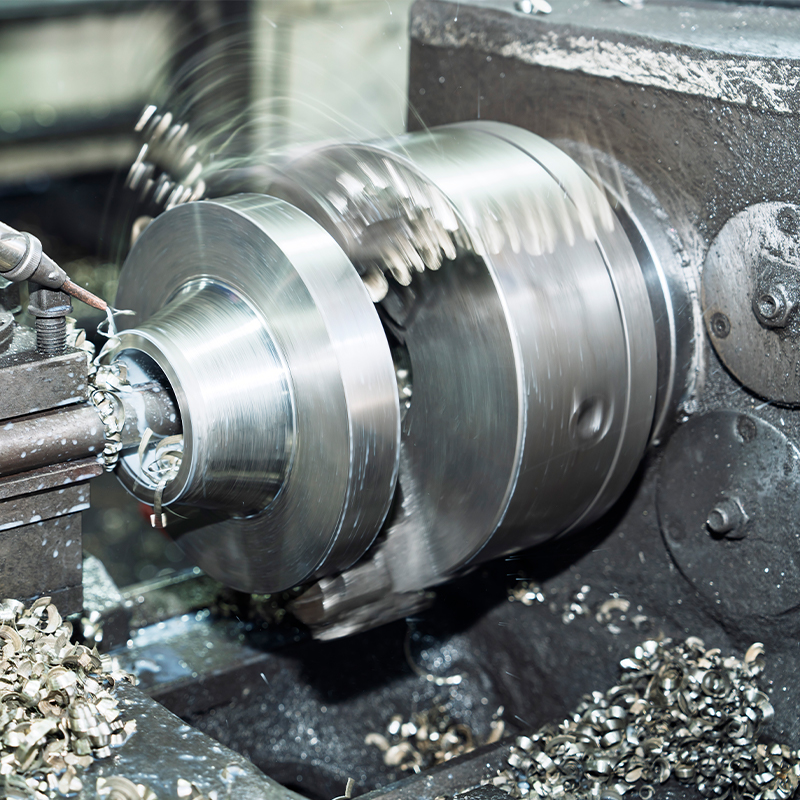
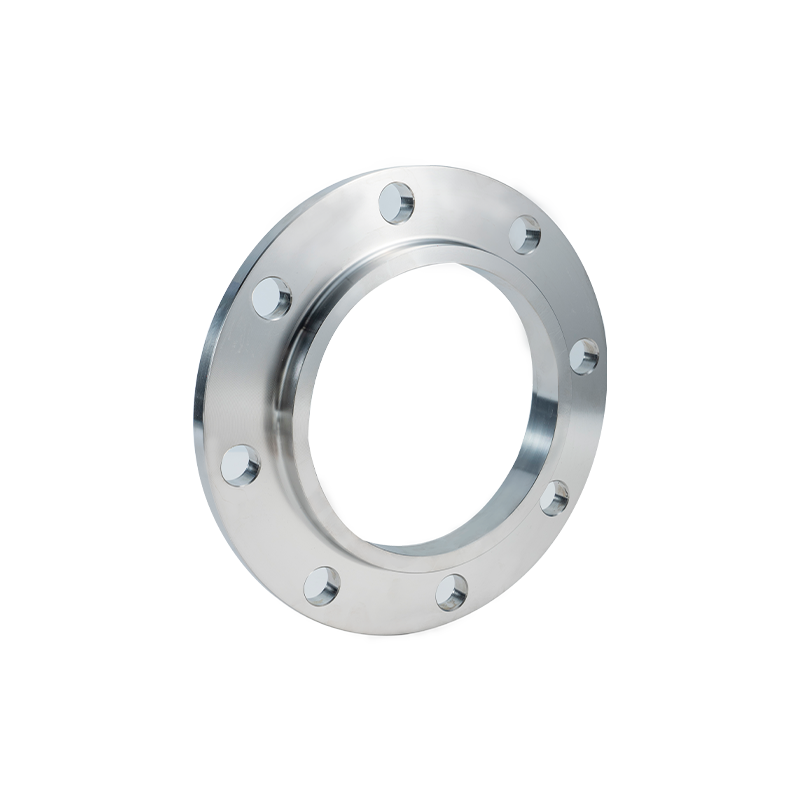
1. The Ra surface finish of Stainless Steel Plate Flanges is a critical engineering parameter that determines the initial "bite" and long-term sealing efficacy of a spiral wound gasket (SWG). 2. When investigating how flange surface roughness affects leak rates, engineers measure the arithmetic average of the profile (Ra); a surface that is too smooth prevents the metallic windings of the gasket from seating properly, leading to potential blowout under high pressure. 3. For a standard Stainless Steel Plate Flanges application, a phonographic serrated finish with an Ra value between 3.2 micrometers and 6.3 micrometers is often required to provide the necessary friction to grip the gasket filler. 4. The impact of serrated vs smooth finish on flange sealing is particularly evident in high-vacuum or high-pressure steam services, where the microscopic ridges of the Stainless Steel Plate Flanges act as multiple labyrinth seals against the soft gasket material (typically graphite or PTFE).
Metallurgical Stability and Mechanical Performance Standards
1. Why 316L stainless steel is preferred for plate flanges: The low carbon content (less than 0.03 percent) minimizes carbide precipitation during welding, ensuring that the Stainless Steel Plate Flanges maintain their corrosion resistance in the heat-affected zone (HAZ). 2. The tensile strength of Stainless Steel Plate Flanges, which typically ranges from 485 MPa to 515 MPa depending on the ASTM A240 grade, must be sufficient to withstand the bolt load required to compress the spiral wound gasket to its optimal operating thickness. 3. Comparing ASTM A182 vs A240 for stainless steel flanges: While A182 covers forged components, plate flanges manufactured under A240 must be strictly monitored for grain structure uniformity to prevent planar delamination under extreme thermal cycling. 4. Analyzing the yield strength of plate flanges at elevated temperatures is essential for calculating the pressure-temperature ratings; according to ASME B16.5, the allowable working pressure of a Stainless Steel Plate Flanges assembly derates significantly as temperatures exceed 300 degrees Celsius.
Sealing Dynamics and Gasket Seating Stress Calculations
1. How to calculate the gasket seating stress for plate flanges: This requires integrating the total bolt load against the contact area of the gasket; an insufficient Ra finish on the Stainless Steel Plate Flanges will necessitate higher seating stress to achieve a bubble-tight seal. 2. The benefits of using 304 vs 316 stainless steel for flanges involve cost-to-performance ratios; in saline or chloride-rich environments, the higher molybdenum content in 316 Stainless Steel Plate Flanges provides a higher Pitting Resistance Equivalent Number (PREN), usually above 24. 3. Testing the flatness tolerance of large diameter plate flanges: Per ASME B16.47 or EN 1092-1, any deviation in the planarity of the sealing face can cause uneven gasket compression, leading to localized stress concentrations and fatigue failure of the stainless steel substrate. 4. Comparative Material and Facing Performance Matrix:
| Facing Type | Recommended Ra (micrometers) | Gasket Compatibility | Sealing Mechanism |
| Flat Face (FF) | 3.2 - 6.3 | Non-Asbestos / Rubber | Surface Compression |
| Raised Face (RF) | 3.2 - 6.3 (Serrated) | Spiral Wound / Kammprofile | Mechanical Interlock |
| Smooth Finish | < 0.8 | Metallic O-Rings | Micro-molecular Contact |
Mechanical Integrity and Fatigue Life in Thermal Cycling
1. Does temperature-related pressure derating impact flange life? In systems with frequent thermal fluctuations, the differential expansion between the bolt, gasket, and the Stainless Steel Plate Flanges can lead to "bolt relaxation," which is exacerbated by improper surface roughness. 2. Testing the pitting resistance of stainless steel flanges in saline environments involves ASTM G48 protocols; Stainless Steel Plate Flanges must demonstrate zero weight loss when exposed to ferric chloride to be certified for offshore fluid handling. 3. Optimizing the bolt torque sequence for plate flanges ensures that the surface finish of the Stainless Steel Plate Flanges engages the gasket uniformly, preventing the "tilting" of the flange ring which is a common cause of leakage in Class 150 systems.
Hardcore FAQ
1. Can a plate flange be used interchangeably with a forged flange? While Stainless Steel Plate Flanges (Type 01 per EN 1092-1) are suitable for many low-to-medium pressure applications, forged flanges are typically required for critical high-pressure services due to their superior grain flow and higher impact toughness. 2. What happens if the Ra finish is too high (rougher than 6.3 micrometers)? A surface that is too rough can create deep leak paths that the gasket filler cannot completely bridge, especially with high-density metallic gaskets, leading to "capillary" leaks through the grooves of the Stainless Steel Plate Flanges. 3. How does the PREN value affect my flange selection? The PREN (Pitting Resistance Equivalent Number) indicates the material's resistance to localized corrosion. For coastal or chemical processing, Stainless Steel Plate Flanges with a higher PREN (Grade 316/316L) are mandatory to prevent premature failure. 4. Is a gasket required for every plate flange connection? Yes. Even with a precision Ra surface finish, a gasket is necessary to compensate for micro-irregularities and to provide a compliant element that maintains the seal under pressure and temperature shifts. 5. Why use "L" grade stainless steel for plate flanges? "L" grades like 304L or 316L have low carbon content, which prevents "sensitization" during welding. This ensures the Stainless Steel Plate Flanges remain resistant to intergranular corrosion in the weld zone.
Technical References
1. ASME B16.5: Pipe Flanges and Flanged Fittings (NPS 1/2 through NPS 24 Metric/Inch Standard). 2. ASTM A240: Standard Specification for Chromium and Chromium-Nickel Stainless Steel Plate, Sheet, and Strip for Pressure Vessels. 3. ISO 3506-1: Mechanical properties of corrosion-resistant stainless steel fasteners.
 Previous