English
 中文简体
中文简体 Deutsch





Content
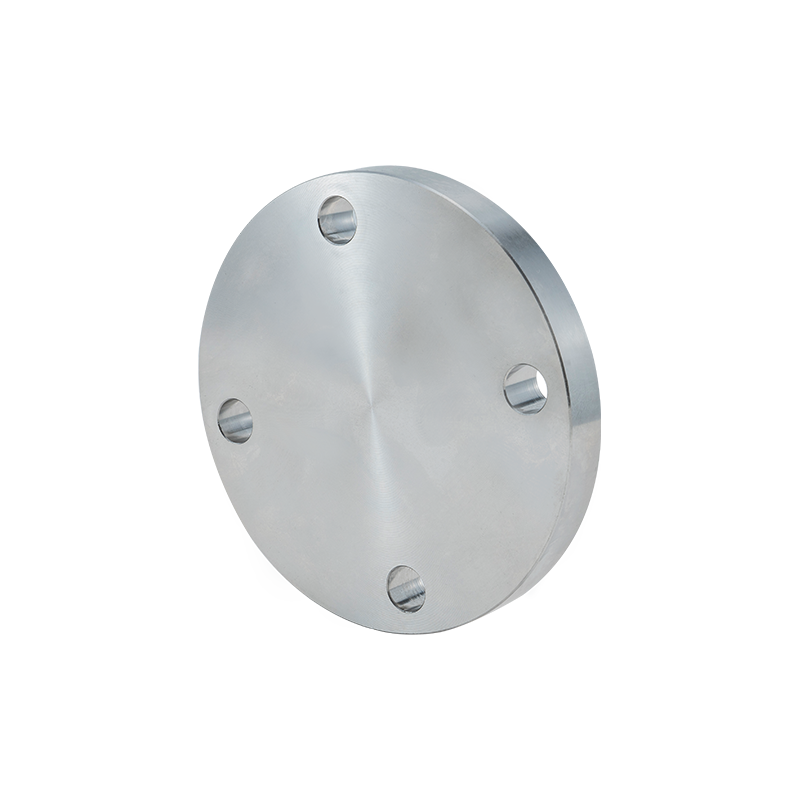
Piping systems in heavy industries require highly reliable connection points. Stainless Steel Flanges provide secure joints for connecting valves, pipes, and other equipment. These components allow maintenance teams to disassemble sections quickly. The corrosion resistance of stainless steel makes these fittings ideal for harsh chemical environments. Wholesale buyers and project engineers must understand the exact specifications to prevent leaks and mechanical failures. Proper material selection directly impacts the operational lifespan of the entire piping network.
Material Grades and Chemical Resistance
Manufacturers produce these fittings using various austenitic stainless steel alloys. The alloy composition determines the mechanical strength and corrosion resistance. Engineers select the grade based on the specific media flowing through the pipes.
Comparing 304 vs 316 stainless steel flanges
The metallurgical differences between these two grades dictate their application limits. Grade 304 contains roughly 18 percent chromium and 8 percent nickel. This composition provides excellent general corrosion resistance. Grade 316 includes an additional element called molybdenum. The molybdenum content significantly increases resistance to pitting corrosion caused by chlorides and saline solutions.
| Property | Grade 304 | Grade 316 |
| Molybdenum Content | None | 2-3% |
| Chloride Resistance | Moderate | High |
| Tensile Strength | 515 MPa minimum | 515 MPa minimum |
| Typical Application | General processing | Marine and chemical |
Impact on stainless steel flanges pressure rating
Pressure ratings define the maximum allowable working pressure at specific temperatures. As the temperature increases, the tensile strength of the steel decreases. Engineers reference standards like ASME B16.5 to determine safe operating limits. A fitting rated for 300 pounds at room temperature will have a significantly lower rating at 500 degrees Fahrenheit. Procurement specialists must verify that the pressure-temperature curve matches the system requirements before purchasing.
Design Types and Sealing Mechanisms
Different flange faces require specific gaskets to create a leak-proof seal. The machining pattern on the sealing surface dictates how the gasket deforms under bolt load. Understanding these face types prevents gasket blowouts during pressure surges.
slip on vs weld neck flanges
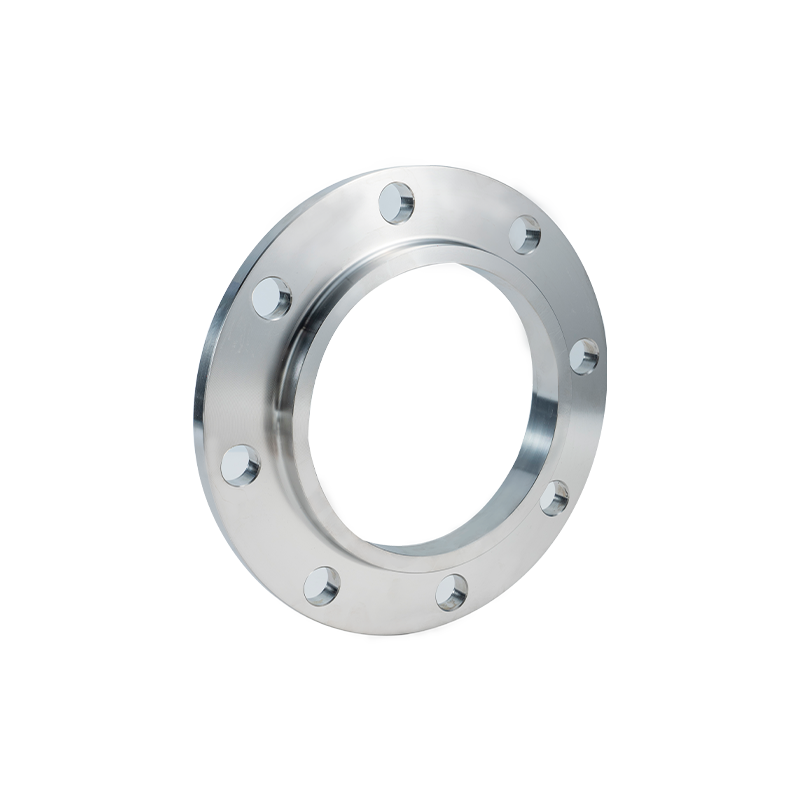
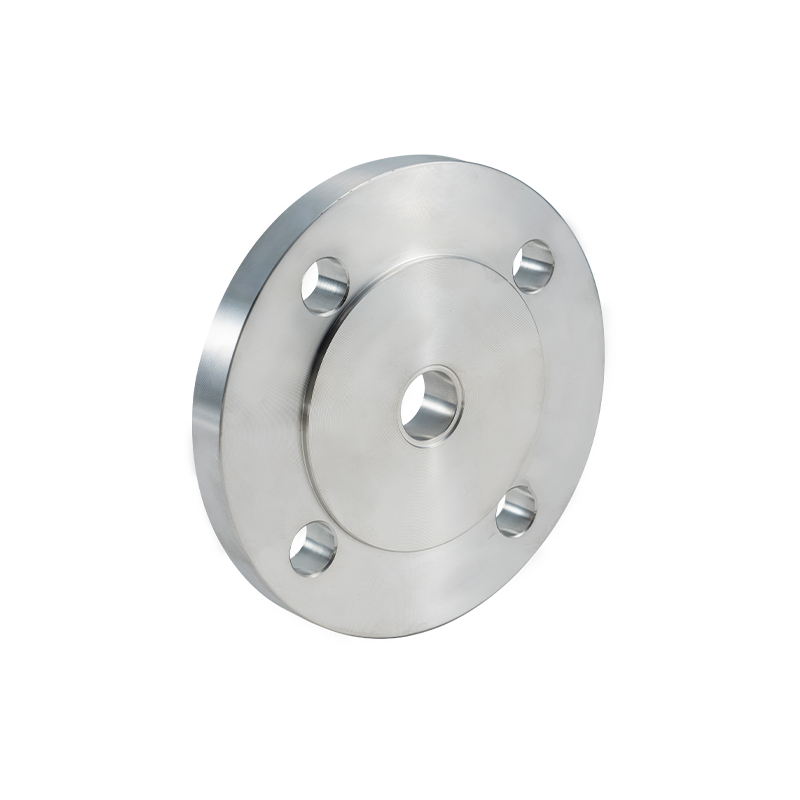
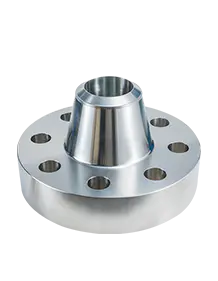
These two designs represent the most common connection styles in industrial piping. A slip-on design slides over the pipe and technicians weld it both inside and outside. This configuration is cost-effective and easier to align. A weld neck design features a protruding neck that butts against the pipe. Fabricators weld this joint completely through the hub. The weld neck design transfers stress smoothly from the pipe to the fitting.
| Feature | Slip On Flange | Weld Neck Flange |
| Welding Requirement | Fillet weld | Butt weld |
| Stress Concentration | Higher | Lower |
| Cost | Lower | Higher |
| Usage in Severe Cycles | Not recommended | Recommended |
Manufacturing Standards and Inspections
Industrial applications demand strict quality control. Manufacturers must follow internationally recognized standards to ensure dimensional accuracy and material purity. Wholesale distributors must request proper documentation to verify compliance.
Verifying ASTM A182 flange specifications
The ASTM A182 standard covers forged or rolled stainless steel pipe flanges. This specification dictates the chemical composition, heat treatment requirements, and mechanical testing procedures. Forged fittings have a continuous grain flow that increases their structural integrity. Inspectors perform ultrasonic testing to detect internal flaws in the forging. Chemical analysis confirms the exact alloy content matches the required grade. Tensile tests verify the yield and ultimate strength of the material batch.
stainless steel flanges corrosion resistance factors
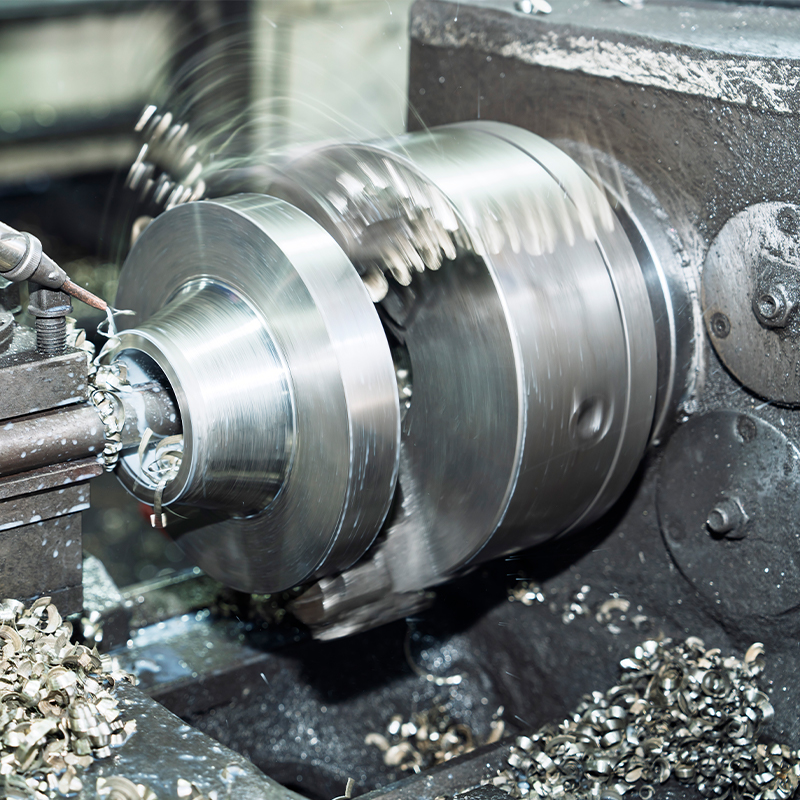
Surface finish plays a critical role in preventing corrosion. A smooth machined surface has fewer microscopic crevices where corrosive agents can accumulate. Passivation is a chemical process that removes free iron from the surface. This process enhances the natural chromium oxide layer, providing maximum protection against rust. Improper storage at the job site can also compromise corrosion resistance. Contractors must keep the fittings covered to prevent iron dust from nearby carbon steel work from contaminating the stainless surfaces.
- Passivation removes surface contaminants after machining.
- Pickling dissolves scale and heat tint caused by welding.
- Proper storage prevents atmospheric contamination.
Frequently Asked Questions
- What is the difference between raised face and flat face flanges? A raised face has a small raised surface above the bolting circle. It focuses the bolt pressure on a smaller gasket area. A flat face is completely flat and covers the entire gasket surface. Flat faces are typically used with brittle materials like cast iron.
- Can buyers use grade 304 flanges in high-chloride water? Engineers do not recommend grade 304 for high-chloride environments. The lack of molybdenum makes it susceptible to pitting corrosion. Grade 316 is the correct choice for saline or seawater applications.
- How do installers prevent galvanic corrosion between stainless and carbon steel? Installers must use insulating gaskets and isolation kits. These kits include plastic washers and sleeves for the bolts. The insulation breaks the electrical circuit between the dissimilar metals.
- Why do inspectors require hydrostatic testing for these components? Hydrostatic testing proves the structural integrity of the welds and the parent material. Technicians fill the system with water and pressurize it above the normal operating limit. This test safely identifies leaks before the system handles hazardous fluids.
References
- American Society of Mechanical Engineers (ASME). ASME B16.5 - Pipe Flanges and Flanged Fittings.
- ASTM International. ASTM A182 - Standard Specification for Forged or Rolled Alloy and Stainless Steel Pipe Flanges.
- The International Association of Plumbing and Mechanical Officials (IAPMO). Stainless Steel Piping Systems Handbook.
- MSS: The Manufacturers Standardization Society. MSS SP-44 - Steel Pipeline Flanges.
 Previous