English
 中文简体
中文简体 Deutsch





Content
- 1 Understanding Carbon Steel Flange Types and Standards
- 2 Material Grades and Performance Metrics
- 3 Specialized Applications in Industry
- 4 About Jiangyin Zhonghai Precision Machinery Co., Ltd.
- 5 Conclusion
- 6 Frequently Asked Questions (FAQ)
- 6.1 1. What is the primary difference between weld neck and slip-on flanges?
- 6.2 2. Why is ASTM A105 a common material for carbon steel flanges?
- 6.3 3. How do I determine the correct pressure rating for my application?
- 6.4 4. What are the main uses of a blind flange?
- 6.5 5. Can manufacturers produce non-standard flange sizes?
- 7 References
Understanding Carbon Steel Flange Types and Standards
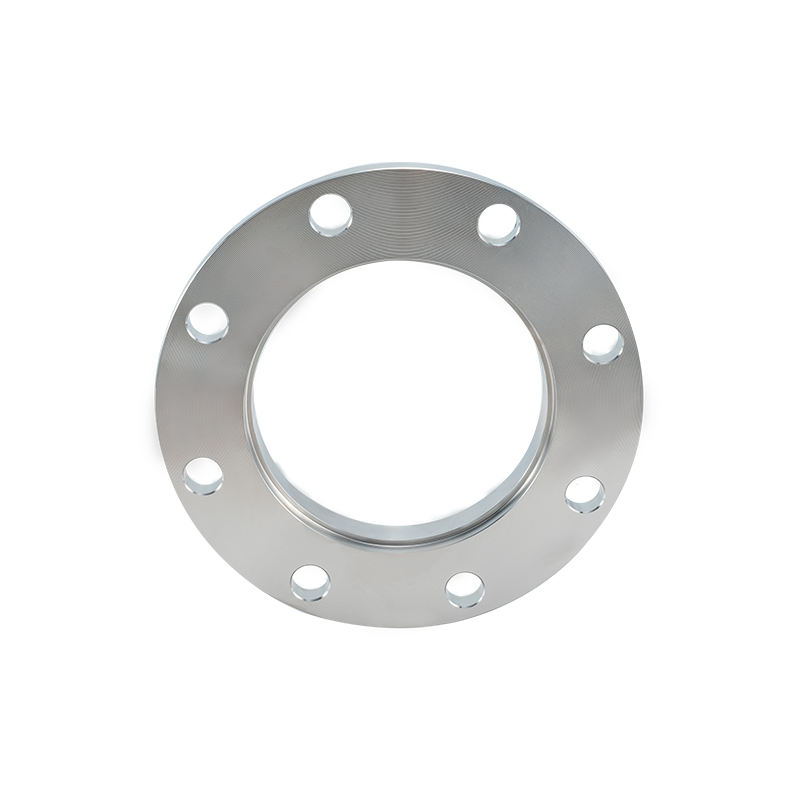
In modern industrial piping systems, the selection of connecting components determines the integrity and safety of the entire infrastructure. Carbon Steel Flanges serve as the fundamental connection points in pipelines, facilitating easy assembly, disassembly, and maintenance. Engineers and procurement specialists prioritize these components for their superior mechanical strength and cost-effectiveness compared to stainless steel alloys.
Carbon Steel Weld Neck Flanges for High-Pressure Systems
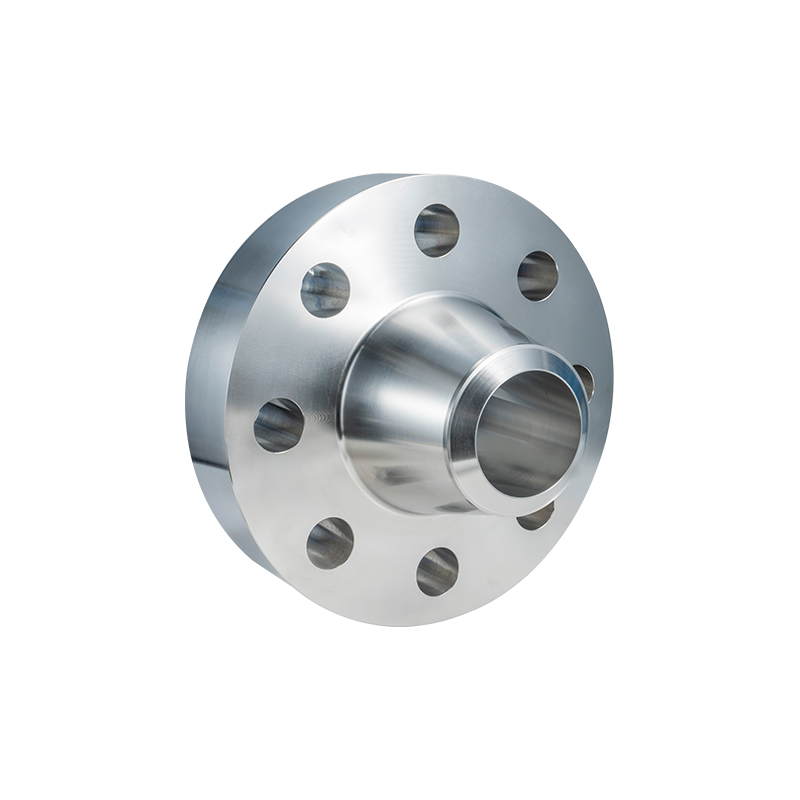
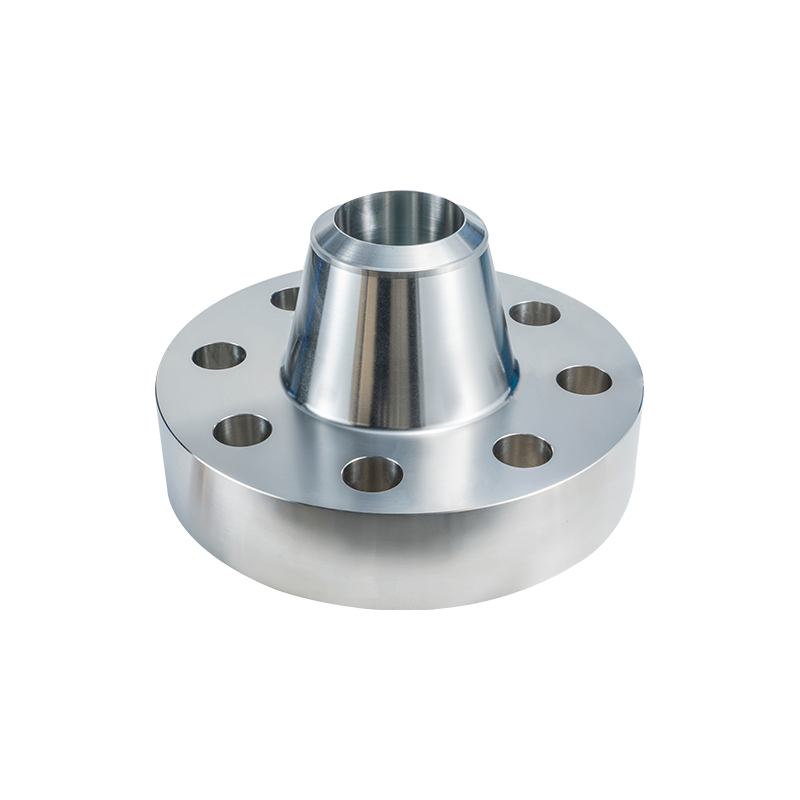
For applications involving high pressure and temperature fluctuations, design engineers consistently specify carbon steel weld neck flanges. This flange type features a long tapered hub that transfers stress from the flange to the pipe, effectively reducing stress concentrations at the base of the flange. The design ensures a strong and reliable connection, making it suitable for severe service conditions.
Below is a comparison between weld neck flanges and standard slip-on flanges regarding structural performance:
| Feature | Weld Neck Flange | Slip-On Flange |
| Joint Strength | High strength due to butt-weld connection | Moderate strength with double fillet weld |
| Stress Distribution | Excellent via tapered hub design | Concentrated at the weld toes |
| Installation Cost | Higher (requires precise butt-welding) | Lower (easy alignment and welding) |
| Ideal Application | High-pressure, high-temperature systems | Low-pressure, non-critical systems |
Carbon Steel Slip On Flanges Dimensions and Specifications
In contrast to weld neck variants, slip-on flanges slide over the pipe and are secured with fillet welds. When selecting these components, engineers must strictly adhere to carbon steel slip on flanges dimensions to ensure proper fit and alignment. Key dimensional parameters include the outer diameter, inner diameter, bolt circle diameter, and flange thickness. Accurate dimensions are critical for B2B procurement to prevent installation delays and ensure compatibility with existing piping infrastructure.
- Standard compliance: ASME B16.5, MSS SP-44.
- Key measurements: Bolt circle, number of bolt holes, and raised face height.
- Tolerance requirements: Essential for high-volume assembly lines.
Material Grades and Performance Metrics
Technical Overview of ASTM A105 Carbon Steel Flanges
Material specification is the cornerstone of flange procurement. ASTM A105 Carbon Steel Flanges represent the industry standard for forged carbon steel piping components. This grade covers forged carbon steel piping components for ambient and higher-temperature service in pressure systems. The material offers excellent mechanical properties, including high tensile strength and ductility, which are essential for withstanding operational stresses.
Understanding Carbon Steel Flanges Pressure Rating
The operational safety of a pipeline depends heavily on the correct interpretation of carbon steel flanges pressure rating. Pressure ratings, often denoted by Class 150, 300, 600, and higher, indicate the maximum allowable working pressure at a specific temperature. As the operating temperature increases, the pressure retention capability of the carbon steel decreases. Engineers must calculate the pressure-temperature ratings carefully to select a flange that can handle the system's peak conditions without failure.
Specialized Applications in Industry
Carbon Steel Blind Flanges Uses in Pipeline Systems
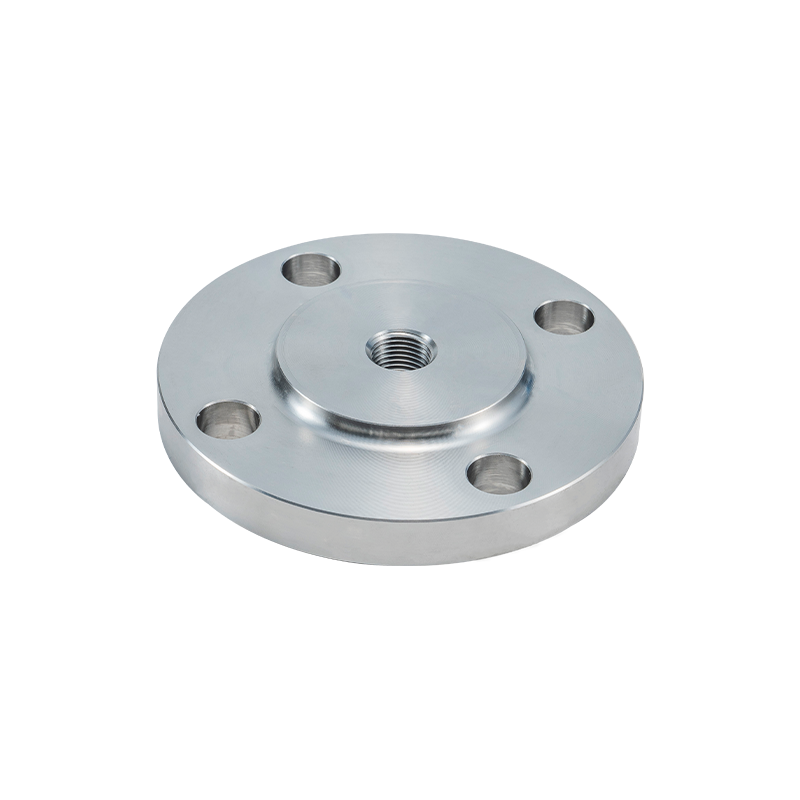
System maintenance and termination require reliable sealing solutions. Carbon steel blind flanges uses primarily revolve around blocking the end of a pipe or valve. These flanges have no bore (center hole), allowing them to effectively seal a pipeline opening. They are vital for pressure testing, isolation during maintenance, and terminating flow in unused sections of a network. Their robust construction ensures they can withstand the full system pressure without leakage.
About Jiangyin Zhonghai Precision Machinery Co., Ltd.
Advanced Manufacturing Capabilities and Certifications
Jiangyin Zhonghai Precision Machinery Co., Ltd. stands as a premier manufacturer in the global flange market. We are an ISO 9001-certified enterprise holding PED, TUV, and TS qualifications. Our facility specializes in the production of precision flanges and forgings, adhering to rigorous international standards including GB, ASME, ASTM, JIS, EN, and DIN. We maintain complete in-house capabilities, from forging and heating to CNC turning, drilling, and final inspection, ensuring total control over product quality.
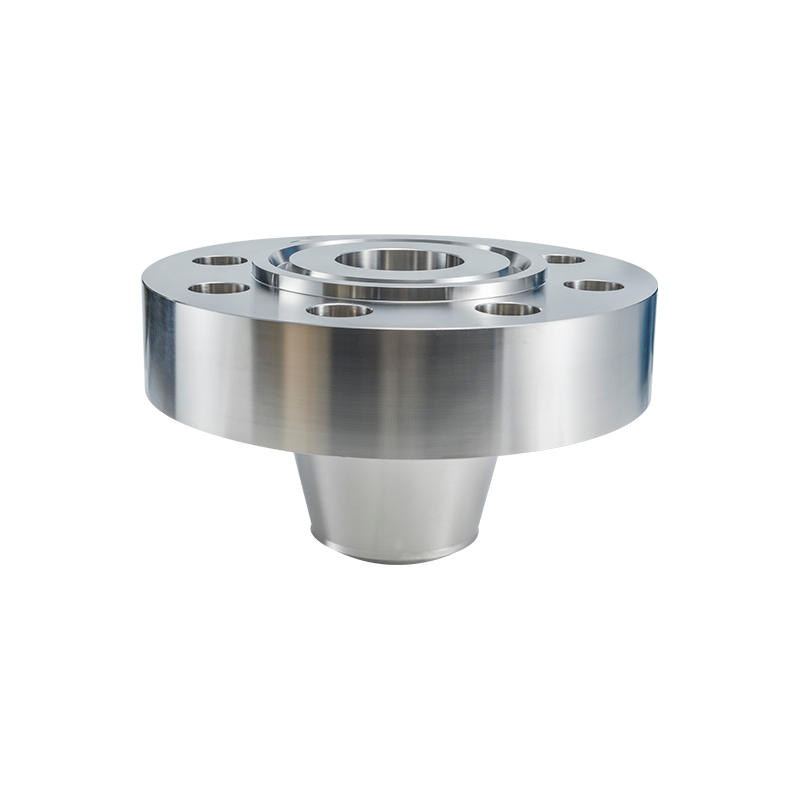
Custom Solutions for Standard and Non-Standard Flanges
We understand that off-the-shelf solutions do not fit every engineering challenge. Jiangyin Zhonghai Precision Machinery supports fully customized, drawing-based manufacturing. Our production range covers sizes from 1/2'' to 60'', with single-piece weights reaching up to 10 tons and maximum dimensions of 4 meters. Whether a client requires standard pipe flanges or complex non-standard components, our team provides reliable solutions tailored to specific industrial needs.
Conclusion
Selecting the right flange involves a deep understanding of types, materials, and pressure ratings. Carbon Steel Flanges remain the backbone of industrial piping due to their versatility and strength. Partnering with a qualified manufacturer like Jiangyin Zhonghai Precision Machinery ensures access to certified, high-performance components that meet the exacting demands of modern engineering projects.
Frequently Asked Questions (FAQ)
1. What is the primary difference between weld neck and slip-on flanges?
Weld neck flanges attach via a butt weld and are designed for high-pressure applications, while slip-on flanges slide over the pipe and use fillet welds, making them easier to install but suitable for lower pressures.
2. Why is ASTM A105 a common material for carbon steel flanges?
ASTM A105 Carbon Steel Flanges are popular because the material offers a balance of good mechanical strength, toughness, and cost-effectiveness for ambient and high-temperature services.
3. How do I determine the correct pressure rating for my application?
You must consult the pressure-temperature rating charts provided in standards like ASME B16.5. The carbon steel flanges pressure rating decreases as the service temperature increases.
4. What are the main uses of a blind flange?
The primary carbon steel blind flanges uses are to block the end of a piping system, isolate sections for maintenance, and facilitate hydrostatic pressure testing.
5. Can manufacturers produce non-standard flange sizes?
Yes, reputable manufacturers like Jiangyin Zhonghai Precision Machinery offer custom drawing-based manufacturing for non-standard flanges up to 4 meters in diameter.
References
- ASME B16.5 - Pipe Flanges and Flanged Fittings: NPS 1/2 Through NPS 24 Metric/Inch Standard.
- ASTM International. "Standard Specification for Forged Carbon Steel Piping Components (A105/A105M)."
- Petrowiki. "Pipeline Flanges and Their Applications."
 Previous