English
 中文简体
中文简体 Deutsch





Content
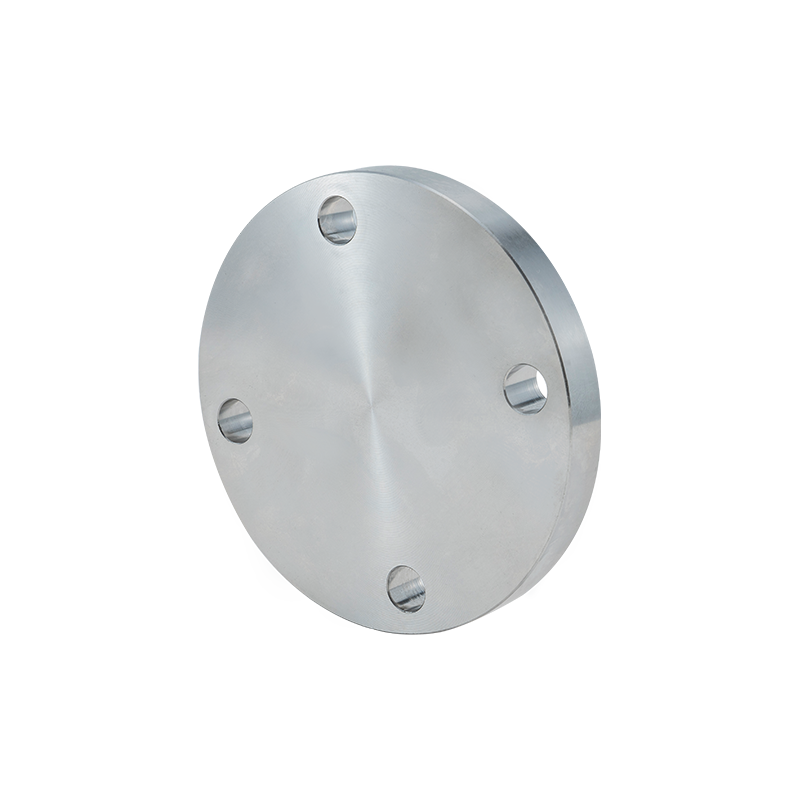
In industrial piping systems, the integrity of a connection often determines the safety of the entire infrastructure. Stainless steel flanges act as the critical interface between pipes, valves, and pumps. Choosing the correct flange requires a deep understanding of pressure ratings, material grades, and joining methods. For engineers and B2B procurement specialists, the focus is not just on the price but on the technical compliance with international standards to ensure long-term reliability in corrosive or high-temperature environments.
1. Engineering Principles for High-Pressure Systems
High-pressure environments demand superior grain structure and mechanical strength. Utilizing forged stainless steel flanges for high pressure pipelines provides a significant advantage because the forging process eliminates internal voids and aligns the metal grain flow. This results in higher impact strength and better fatigue resistance compared to cast alternatives. Furthermore, systems must strictly adhere to the ANSI B16.5 stainless steel flanges technical specifications. This standard covers pressure-temperature ratings, materials, dimensions, and tolerances for pipe flanges from NPS 1/2 through NPS 24.
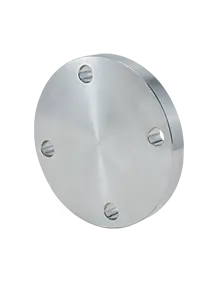
Comparison: Forged vs. Cast Flanges
Forged flanges offer higher structural reliability and are better suited for critical high-pressure service, while cast flanges are typically used for low-pressure, non-critical applications where cost is the primary factor.
| Feature | Forged Flanges | Cast Flanges |
| Material Integrity | High (No internal porosity) | Lower (Risk of blowholes/voids) |
| Mechanical Strength | Superior tensile and yield strength | Standard mechanical properties |
| Pressure Capacity | Ideal for High Pressure (Class 600+) | Limited to Low/Medium Pressure |
2. Comparative Analysis of Common Flange Types
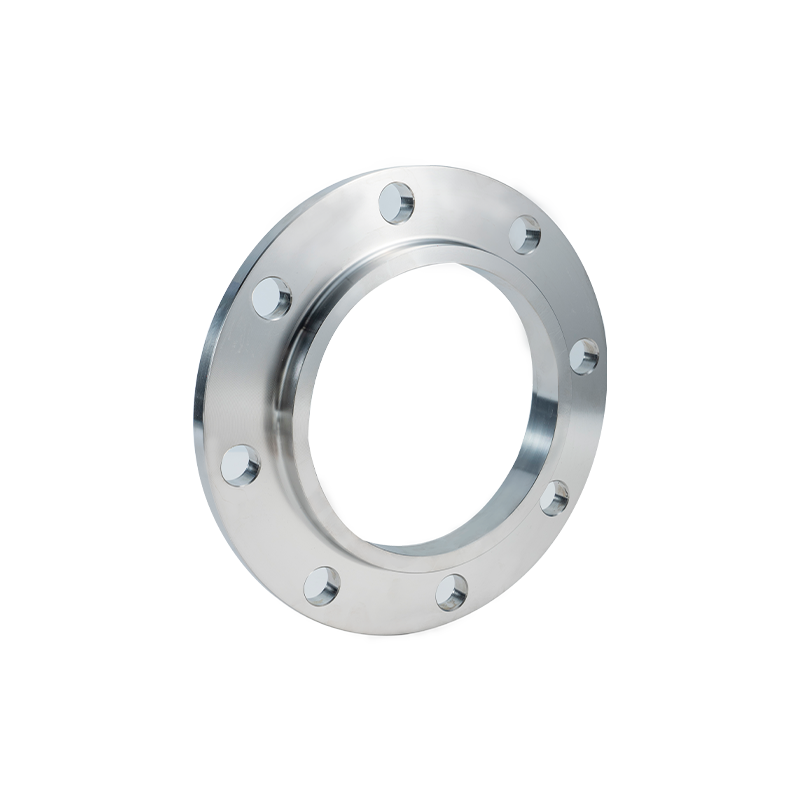
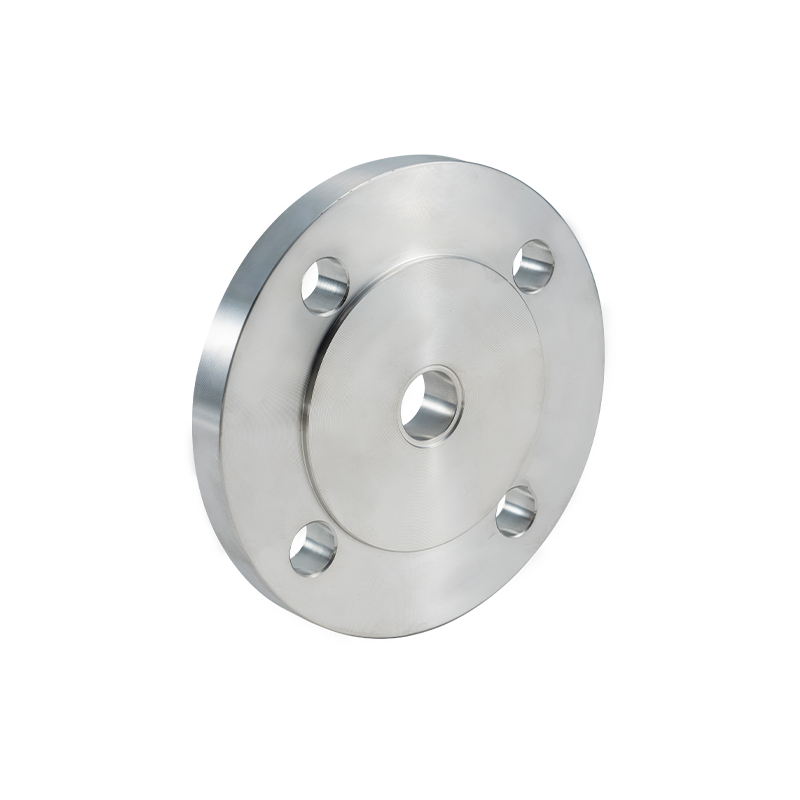
The choice of flange type affects the stress distribution at the joint. A common technical debate involves the stainless steel weld neck flange vs slip on flange difference. Weld neck flanges feature a tapered hub that transfers stress to the pipe, making them suitable for severe service with extreme temperature fluctuations. Slip on flanges are easier to align and install but possess lower strength at the hub and are generally restricted to lower-pressure classes. Engineers must decide if the project requires the high fatigue resistance of a weld neck or the installation speed of a slip on.
| Parameter | Weld Neck Flange | Slip On Flange |
| Connection Method | Butt weld at the hub | Fillet weld inside and outside |
| Stress Concentration | Low (Distributed by hub) | Higher (Near the welds) |
| Vibration Resistance | Excellent | Fair |
3. Materials Science and Corrosion Prevention
Chemical environments require specialized alloys to prevent premature failure. Sourcing custom 316L stainless steel flanges for chemical processing is often necessary because the "L" denotes low carbon content. This reduction in carbon is vital for preventing carbide precipitation during the welding process. Without this protection, flanges are susceptible to decay. Understanding how to prevent intergranular corrosion in stainless steel flanges involves more than just material selection; it requires proper heat treatment, such as solution annealing, to restore corrosion resistance after forging or welding.
4. Jiangyin Zhonghai: Excellence in Precision Forging and Machining
Jiangyin Zhonghai Precision Machinery Co., Ltd. is an ISO 9001–certified manufacturer with PED, TUV, and TS qualifications. We specialize in precision stainless steel flanges and forgings. Our facility produces pipe flanges, forged flanges, and machined components according to GB, ASME, ASTM, JIS, EN, and DIN standards. We support fully customized, drawing-based manufacturing for both standard and non-standard applications.
- Production Scale: We handle sizes ranging from 1/2'' to 60'' and single-piece weights up to 10 tons.
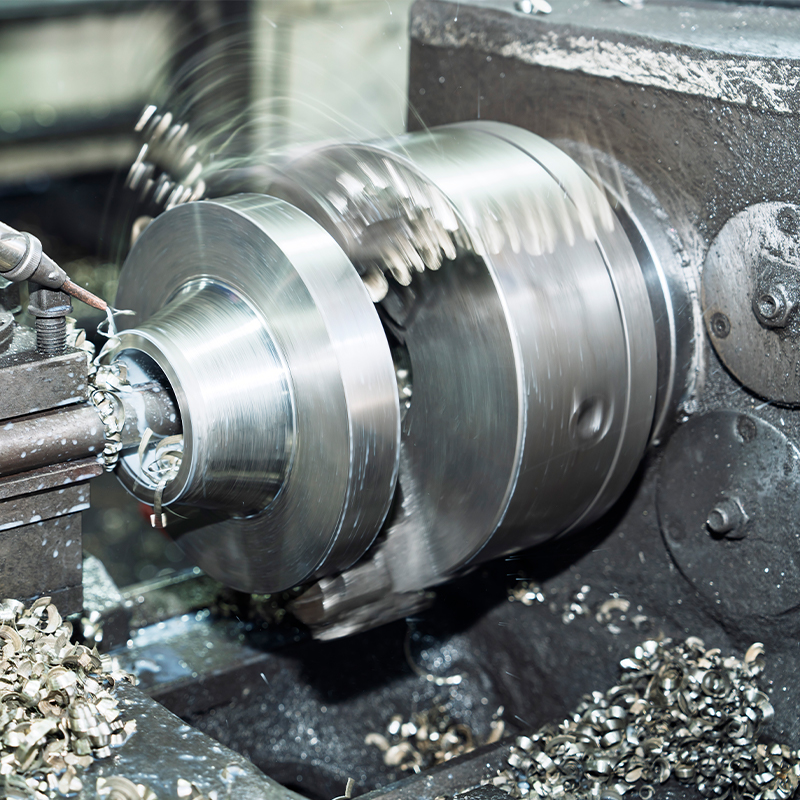
- In-house Capabilities: Our lines include complete forging, heating, CNC turning, drilling, and inspection.
- Technical Reach: We produce components with maximum dimensions up to 4 meters.
- Quality Commitment: Every product undergoes rigorous testing to ensure it meets the highest industrial safety standards.
5. Frequently Asked Questions (FAQ)
Q1: What does "Class" mean in ANSI B16.5 specifications?
"Class" refers to the pressure-temperature rating. For example, a Class 150 flange can handle specific pressures at specific temperatures as defined by the ASME standard.
Q2: Why is 316L preferred over 304 stainless steel?
316L contains molybdenum, which provides significantly better resistance to chlorides and pitting, making it ideal for marine and chemical environments.
Q3: Can a slip on flange be used for high-pressure steam?
It is generally not recommended. High-pressure steam often involves thermal cycling and vibration, where a weld neck flange is technically superior.
Q4: How do I verify the quality of a forged flange?
You should always request a Material Test Report (MTR) which includes chemical analysis, mechanical testing, and heat treatment records.
Q5: Does Jiangyin Zhonghai provide custom machining for flanges?
Yes, we specialize in machined flanges and support fully customized manufacturing based on specific customer drawings and technical requirements.
6. References
- American Society of Mechanical Engineers. (2020). ASME B16.5: Pipe Flanges and Flanged Fittings.
- ASTM International. (2021). ASTM A182: Standard Specification for Forged or Rolled Alloy and Stainless Steel Pipe Flanges.
- Davis, J. R. (2000). Corrosion: Understanding the Basics. ASM International.
- European Committee for Standardization. (2014). EN 1092-1: Flanges and their joints – Circular flanges for pipes, valves, fittings and accessories.
 Previous