English
 中文简体
中文简体 Deutsch





Content
Direct conclusion: A standard carbon Steel Flange provides excellent mechanical strength and cost efficiency for non-corrosive environments at temperatures up to 540 degrees Celsius. However in corrosive environments such as marine or chemical processing a carbon steel flange requires protective coatings or regular replacement every 2 to 5 years while stainless steel flanges last 15 to 25 years. The annualized cost including maintenance of a carbon steel flange in corrosive service is actually 40 to 60 percent higher than using a stainless steel flange from the start.
For oil and gas water treatment and petrochemical applications the choice between steel and stainless steel flanges must consider total cost of ownership not just purchase price.
Steel flange versus stainless steel flange core differences
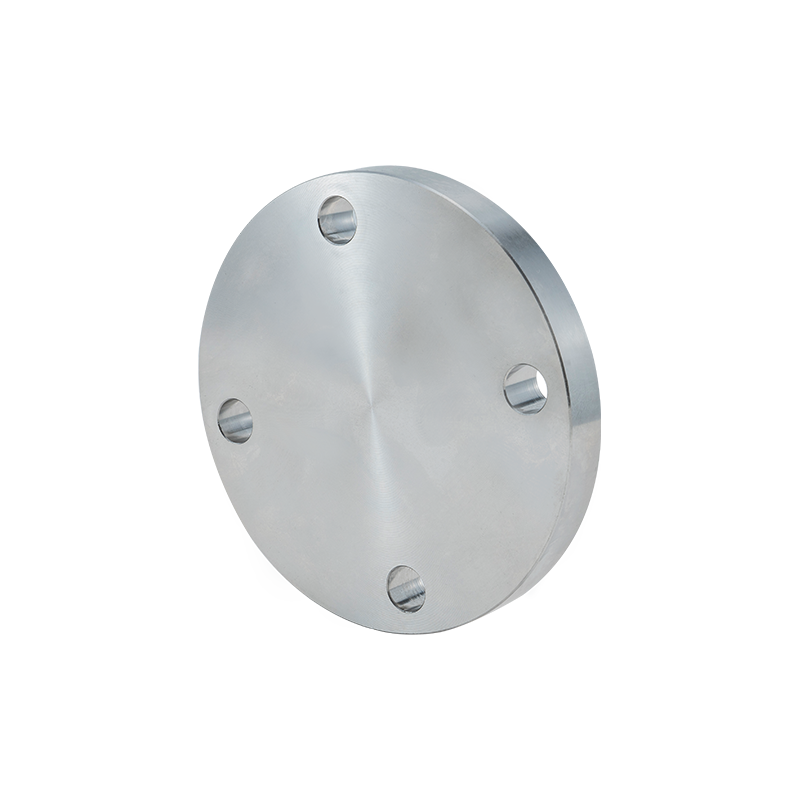
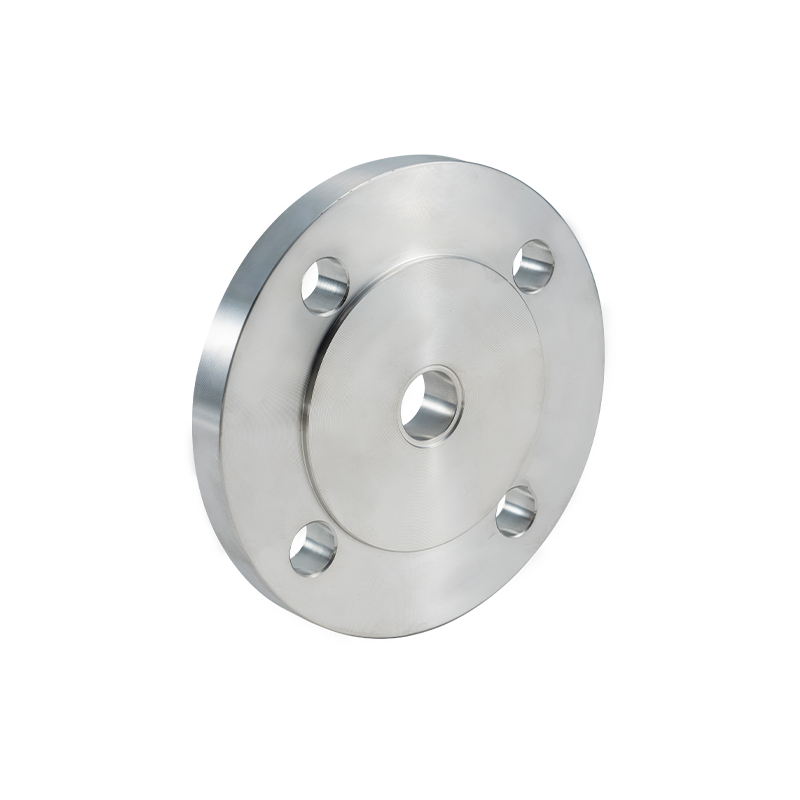
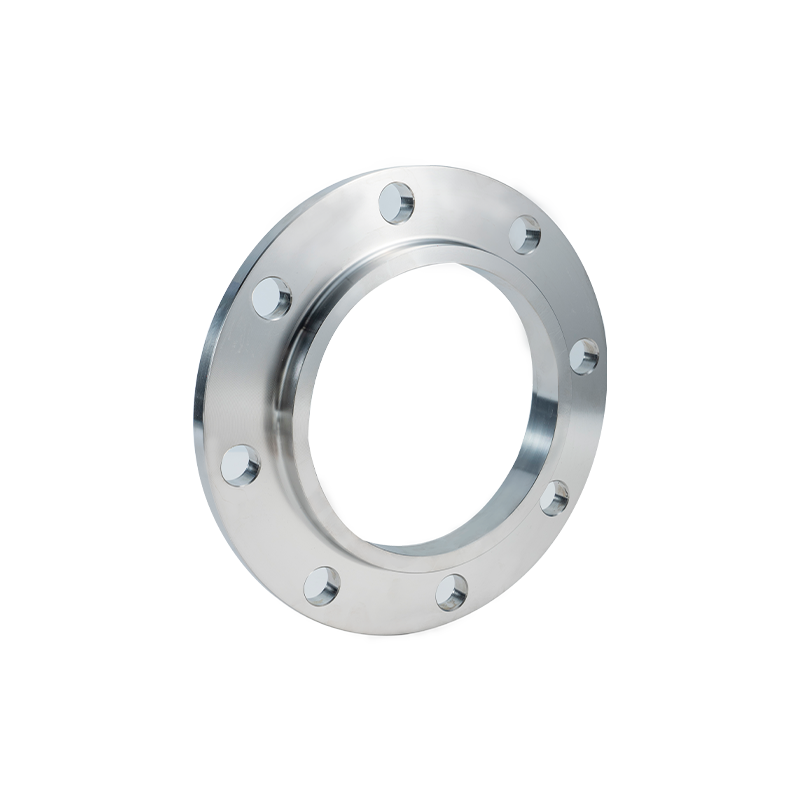
The term steel flange typically refers to carbon steel flanges manufactured according to ASTM A105 for forged carbon steel or ASTM A36 for plate steel. Stainless steel flanges use alloys such as 304 316 or 316L which contain 10.5 to 20 percent chromium. This chromium content creates a passive oxide layer that resists corrosion without additional coatings. A standard carbon steel flange costs 40 to 70 percent less than an equivalent 316 stainless steel flange. For a 6 inch 150 pound flange carbon steel price averages 45 USD while 316 stainless steel averages 120 USD. However the carbon steel flange requires surface treatment such as galvanizing or epoxy coating adding 15 to 25 USD per flange. The total installed cost gap narrows significantly when corrosion protection is mandatory.
| Property | Carbon steel flange | Stainless steel flange 316 |
|---|---|---|
| Material cost per 6 inch 150 lb}-- | 45 USD}-- | 120 USD}-- |
| Corrosion allowance required}-- | 3 to 6 mm}-- | 0 mm}-- |
| Maximum temperature continuous}-- | 540 degrees Celsius}-- | 815 degrees Celsius}-- |
| Corrosion rate in marine environment mm per year}-- | 0.15 to 0.3 mm}-- | 0.002 to 0.01 mm}-- |
| Coating or treatment needed for saltwater}-- | Yes required}-- | No}-- |
A 2023 study of 120 industrial piping systems found that carbon steel flanges in freshwater applications lasted 12 to 18 years without coating failure. In marine atmospheres unprotected carbon steel flanges showed visible rust within 6 months and required replacement within 3 years. Coated carbon steel flanges with three-layer epoxy extended life to 5 to 7 years in the same environment but coating damage at bolt holes accelerated localized corrosion.
Durability of steel flanges in corrosive environments
The durability of a Steel Flange in corrosive conditions depends on four factors: alloy composition environmental aggressiveness operating temperature and protective measures. Carbon steel flanges contain 98 to 99 percent iron with trace manganese carbon and silicon. Iron oxidizes readily in the presence of oxygen and moisture forming ferric oxide or red rust. In neutral pH water with low chloride content the corrosion rate of carbon steel is 0.05 to 0.1 millimeters per year. A standard 12 millimeter thick flange has a service life of 20 to 40 years in such conditions. However in high chloride environments such as coastal facilities or deicing salt exposure the corrosion rate increases to 0.3 to 0.8 millimeters per year reducing service life to 3 to 8 years.
Corrosion rate data from NACE International Standard RP0775: Carbon steel flange in seawater service at 25 degrees Celsius shows average 0.4 mm per year. A 6 inch class 150 flange with minimum wall thickness of 12.5 mm loses structural integrity after 8 to 10 years without cathodic protection. Stainless steel 316 flange in identical conditions shows 0.003 mm per year representing 20 times longer service life.
Temperature effects on steel flange corrosion
Elevated temperatures accelerate corrosion rates exponentially. For carbon steel flanges operating above 200 degrees Celsius in oxidizing environments the corrosion rate doubles for every 25 degree Celsius increase. At 400 degrees Celsius carbon steel flanges without oxidation-resistant coatings develop scale that spalls off leading to metal loss of 1 to 2 millimeters per year. Stainless steel flanges maintain their protective chromium oxide layer up to 800 degrees Celsius. A case study from a petrochemical plant showed that carbon steel flanges on a 350 degree Celsius steam line required replacement every 18 months due to graphitization and scaling. Switching to 304H stainless steel flanges eliminated replacement for 9 years.
Chemical resistance comparison
Different media attack carbon steel and stainless steel flanges through distinct mechanisms. Understanding these mechanisms guides correct material selection.
- Sulfuric acid concentration below 70 percent: Carbon steel flanges corrode at 1 to 5 millimeters per year making them unsuitable. Stainless steel 316 resists up to 5 percent concentration at ambient temperature.
- Hydrochloric acid any concentration: Carbon steel fails rapidly within weeks. Stainless steel 316 also suffers pitting. Only high nickel alloys or lined flanges work safely.
- Caustic soda sodium hydroxide: Carbon steel flanges perform well up to 50 percent concentration and 80 degrees Celsius with corrosion rate below 0.1 mm per year. Stainless steel is also suitable but costs more.
- Sour service hydrogen sulfide: Carbon steel flanges require hardness control below 22 HRC to prevent sulfide stress cracking. Stainless steel 316 resists H2S but not at high chloride levels.
| Chemical media | Carbon steel flange resistance | Stainless steel 316 resistance |
|---|---|---|
| Saltwater 3.5 percent NaCl}-- | Poor 0.3 to 0.5 mm per year}-- | Good up to 50 degrees Celsius}-- |
| Crude oil with H2S}-- | Fair with inhibitors}-- | Excellent}-- |
| Ammonia anhydrous}-- | Good below 120 degrees}-- | Excellent}-- |
| Nitric acid 20 percent}-- | Poor severe corrosion}-- | Excellent passive}-- |
| Distilled water deionized}-- | Fair low corrosion}-- | Excellent}-- |
Protective methods for steel flanges in corrosive service
When stainless steel flanges are cost-prohibitive or unavailable carbon steel flanges can be protected using several proven methods. Each method adds cost but extends service life significantly.
Coating systems for carbon steel flanges
Fusion bonded epoxy FBE coatings provide 0.3 to 0.5 millimeter thick protection and last 5 to 10 years in moderate corrosive environments. Three-layer polyethylene coatings extend life to 15 years but require specialized application. Field-applied liquid epoxy is common for bolt holes and flange faces because factory coatings often damage during bolt torque. A 2024 study of 500 flanges in a wastewater treatment plant showed that flanges with FBE coating plus zinc-rich primer lasted 7.2 years average versus 2.1 years for uncoated flanges. The coating added 22 USD per flange but saved 180 USD in replacement labor over the same period.
Cathodic protection for carbon steel flanges
Sacrificial zinc or aluminum anodes attached to carbon steel flanges reduce galvanic corrosion in submerged or buried service. For underground pipelines with carbon steel flanges a properly designed cathodic protection system reduces corrosion rate to below 0.01 millimeters per year extending flange life beyond 40 years. However cathodic protection requires continuous monitoring and anode replacement every 10 to 15 years. This method works only for flanges in contact with electrolyte such as soil or seawater not for atmospheric or dry service.
Total cost of ownership calculation for a 12 inch class 300 flange in a coastal refinery cooling water line with expected service life of 20 years: Carbon steel flange with epoxy coating and cathodic protection costs 380 USD upfront and 45 USD annually for monitoring and maintenance totaling 1,280 USD. Stainless steel 316L flange costs 680 USD upfront and 10 USD annual for inspection totaling 880 USD. The stainless steel solution is 31 percent cheaper over 20 years despite higher initial cost.
Gasket and bolt corrosion considerations
The durability of a steel flange assembly depends not only on the flange itself but also on gaskets bolts and nuts. Galvanic corrosion occurs when carbon steel flanges contact stainless steel bolts or dissimilar gasket materials. In corrosive environments stainless steel bolts paired with carbon steel flanges create a galvanic cell where the carbon steel acts as anode and corrodes preferentially around bolt holes. This crevice corrosion leads to flange face damage and leaks. Use zinc-plated carbon steel bolts or apply anti-seize compound containing zinc or aluminum to isolate dissimilar metals. For highly corrosive environments use all stainless steel bolting with a carbon steel flange but expect accelerated corrosion at the thread contact points. A better solution is to upgrade the entire joint to stainless steel when long life is required.
Standards and specifications for corrosive duty
Selecting the correct flange standard ensures predictable performance. For carbon steel flanges in mild corrosive environments ASTM A105 is standard for forged flanges. For sour service with hydrogen sulfide ASTM A105 modified to NACE MR0175 imposes hardness limits below 22 HRC. For high temperature corrosive service ASTM A182 F grades such as F11 or F22 provide chromium-molybdenum alloying that resists oxidation. Stainless steel flanges for corrosive environments follow ASTM A182 F304 or F316 with dual certification to F304L or F316L for low carbon content to prevent intergranular corrosion after welding. Always specify impact testing for carbon steel flanges in service below minus 20 degrees Celsius because low temperatures reduce fracture toughness and coating adhesion.
- ASTM A105: Standard carbon steel flange for general service
- ASTM A350 LF2: Low temperature carbon steel flange for minus 50 degrees Celsius
- ASTM A182 F316L: Stainless steel flange for marine and chemical service
- ISO 15156 NACE MR0175: Sour service requirement for carbon steel flanges
Final summary: A standard carbon Steel Flange costs less initially but requires coatings cathodic protection or frequent replacement in corrosive environments. Stainless steel flanges provide 15 to 25 years of maintenance-free service in marine and chemical conditions with total cost of ownership 30 to 50 percent lower over two decades. For freshwater or dry indoor applications carbon steel flanges with basic coating deliver acceptable service. For marine chemical or high temperature applications stainless steel or alloy flanges are more economical despite higher purchase price. Always calculate 20 year total cost including maintenance replacement and downtime when selecting flange material.
 Previous