English
 中文简体
中文简体 Deutsch





Content
- 1 What Is an EN 1092 Flange?
- 2 Understanding the EN 1092 Standard Family
- 3 How EN 1092 Flanges Work: The PN Rating System
- 4 Flange Types Under EN 1092-1
- 5 Materials and Technical Specifications
- 6 Application Scenarios
- 7 EN 1092 vs. ANSI Flanges: Key Differences
- 8 Selection Considerations
- 9 Installation and Maintenance Recommendations
- 10 Common Mistakes and Overlooked Considerations
- 11 Industry Trends and Future Outlook
- 12 Conclusion
- 13 Frequently Asked Questions
- 13.1 What is an EN1092 flange?
- 13.2 What is flange standard EN 1092-2?
- 13.3 What is the difference between EN 1092-1 and EN 1092-3?
- 13.4 Are DIN and ANSI flanges compatible?
- 13.5 What is the difference between PN and Class flange ratings?
- 13.6 Can EN 1092 flanges be used with ASME piping systems?
- 13.7 How do I choose the right EN 1092 flange type?
Flange selection is one of the most consequential decisions in industrial pipeline design, and in Europe the reference point for that decision is almost always the same: EN 1092 flanges. This standard family governs the dimensions, pressure ratings, and material grades of flanges used across water treatment, chemical processing, power generation, and general industrial piping. Understanding how the standard is structured — and where it diverges from other flange systems used internationally — is essential for anyone specifying, importing, or fabricating pipeline components for a European or CE-marked project.
What Is an EN 1092 Flange?
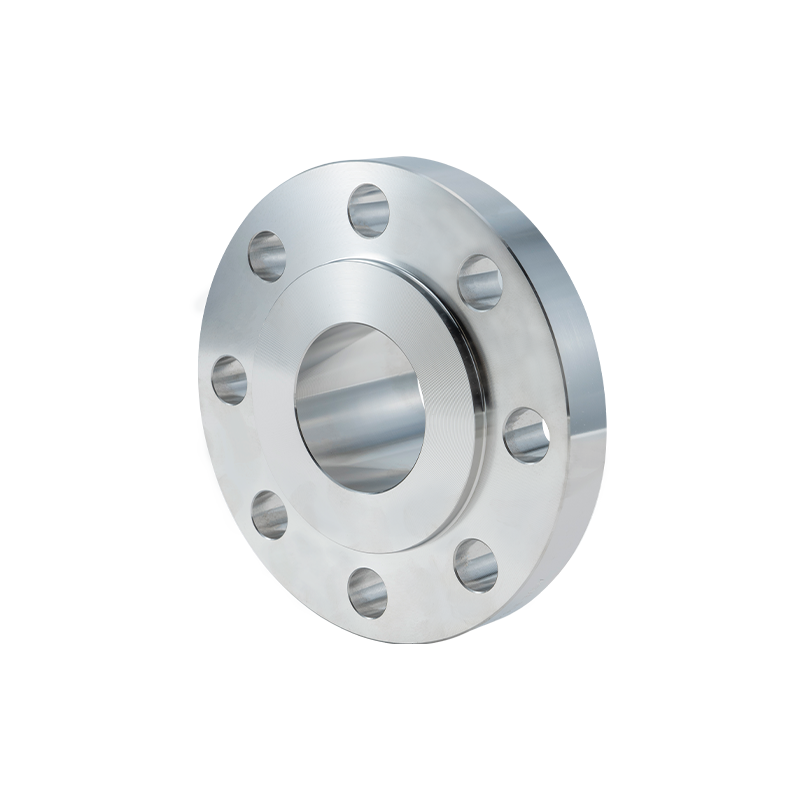
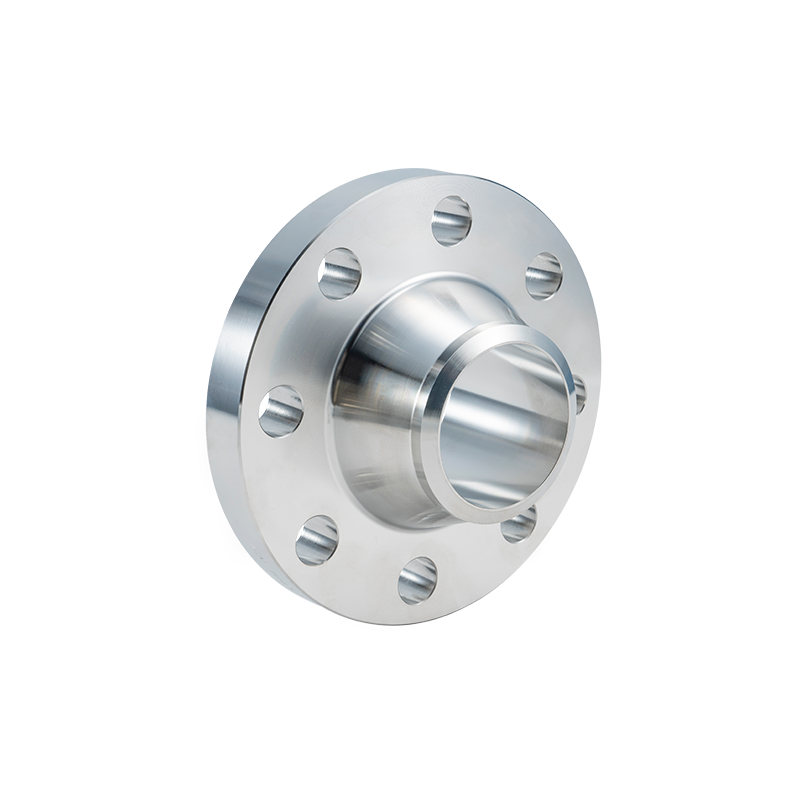
An EN 1092 flange is a pipe flange manufactured in accordance with the European standard EN 1092, which defines the dimensions, tolerances, pressure-temperature ratings, and testing requirements for flanges used in industrial piping systems. The standard was developed to harmonize flange specifications across European Union member states, replacing a patchwork of national standards such as Germany's DIN flange series, France's NF series, and other country-specific documents that previously governed flange manufacturing in Europe.
EN 1092 flanges are classified by nominal diameter (DN) and pressure rating (PN), and they are produced from a range of materials depending on the intended service — carbon steel, stainless steel, cast iron, copper alloy, and aluminum alloy among them. Because the standard is referenced in CE-marked pressure equipment documentation, EN 1092 flanges are the default choice for pipelines supplying the European market, and they are increasingly specified on projects outside Europe where PN-rated systems are preferred over ANSI Class ratings.
Understanding the EN 1092 Standard Family
EN 1092 is not a single document but a family of four parts, each addressing a different material category. Recognizing which part applies to a given component is the first step in correct specification.
Part 1
Steel Flanges
Covers flanges made from carbon steel, alloy steel, and stainless steel. This is the most widely used part of the standard and the one most buyers refer to when they say "EN 1092 flange."
Part 2
Cast Iron Flanges
Applies to flanges manufactured from grey cast iron and ductile (nodular) cast iron, commonly used in lower-pressure water and utility distribution networks.
Part 3
Copper Alloy Flanges
Covers flanges produced from copper alloys, typically found in marine, HVAC, and specific corrosion-resistant applications where copper alloys outperform steel.
Part 4
Aluminum Alloy Flanges
Applies to flanges made from aluminum alloy, selected where weight reduction or specific chemical compatibility is a priority.
Each part shares a common numbering logic for flange types and pressure ratings, which keeps the overall system consistent even though the underlying materials and mechanical properties differ significantly between parts.
How EN 1092 Flanges Work: The PN Rating System
EN 1092 flanges are rated using the PN (Pression Nominale, or "nominal pressure") system rather than the Class system used in ASME standards. A PN designation — such as PN10, PN16, PN25, or PN40 — indicates the flange's rated working pressure in bar at a reference temperature, typically 20°C for carbon steel. As operating temperature increases, the permissible working pressure decreases according to material-specific pressure-temperature tables published alongside the standard.
This means a flange's PN number is not a fixed working pressure at all temperatures; it is a nominal classification that must be cross-referenced against the actual service temperature and the flange material grade before a system is considered correctly rated. Overlooking this de-rating relationship is one of the more common specification errors on projects that mix carbon steel and stainless steel components within the same pressure class.
The dimensional side of the standard works alongside the pressure rating system rather than separately from it. For a given nominal diameter, the outside diameter of the flange, the bolt circle diameter, the number and size of bolt holes, and the flange thickness all scale according to the PN rating, since a higher-pressure flange requires a thicker plate and a tighter bolt pattern to maintain the same sealing performance. This is why two flanges of the same DN but different PN ratings are not dimensionally interchangeable, even though they connect to the same nominal pipe size — a detail that becomes particularly relevant when retrofitting or extending an existing pipeline where the original pressure class may not match current project requirements.
Flange Types Under EN 1092-1
EN 1092-1 defines flange types by a two-digit type number that indicates the flange's construction — how it attaches to the pipe, and how the sealing face is finished. The table below summarizes the most commonly specified types.
| Type | Description | Typical Use |
|---|---|---|
| Type 01 | Plate flange (welded on) | Low to moderate pressure piping, general service |
| Type 02 | Plate flange with hub | Improved rigidity over Type 01 |
| Type 05 | Plate flange for welding neck | Standard connection to welding neck flange |
| Type 11 | Welding neck flange | High-pressure, high-temperature service |
| Type 12/13 | Threaded flange | Systems where welding is impractical |
| Type 21 | Loose plate flange with welding neck collar | Applications requiring rotational alignment |
| Type 32 | Loose plate flange for lapped pipe end | Stainless steel and non-ferrous piping |
| Type 34 | Loose flange assembly with liner | Corrosion-prone media |
| Type 35 | Loose flange for welding collar | Frequent disassembly requirements |
| Type 37 | Weld-on plate collar | Used with loose flange assemblies |
| Type 38 | Loose flange for welding neck collar with set-on collar | Specialized alignment needs |
| Type 41 | Blind flange | Pipe termination and isolation points |
Selecting the correct type depends on the piping method used elsewhere in the system, the frequency of disassembly required for maintenance, and whether the line will experience thermal cycling that could stress a rigid connection.
Materials and Technical Specifications
Material selection under EN 1092-1 is closely tied to the pressure-temperature rating and the corrosivity of the process fluid. The table below outlines commonly specified material grades and their general service characteristics.
| Material Grade | Standard Reference | Typical Application |
|---|---|---|
| P250GH | EN 10222-2 | General purpose carbon steel, moderate temperature service |
| S235JR | EN 10025 | Low-pressure structural and utility piping |
| 1.4301 (304) | EN 10088 | Food, beverage, and mild corrosive service |
| 1.4401 (316) | EN 10088 | Chemical processing, marine, chloride-exposed systems |
| 1.4571 (316Ti) | EN 10088 | High-temperature stabilized stainless applications |
Beyond material grade, buyers should confirm surface finish requirements (typically expressed in Ra micrometers), flatness tolerances, and whether third-party material certification such as EN 10204 3.1 is required for the project. These specifications are frequently listed separately from the core dimensional standard but are equally important to a compliant order.
Application Scenarios
EN 1092 flanges appear across a wide range of industrial sectors, with the specific type and material grade shifting according to the demands of each environment.
- Water and wastewater infrastructure — cast iron and ductile iron flanges under EN 1092-2 are common in municipal distribution networks operating at PN10 or PN16.
- Chemical and petrochemical processing — stainless steel flanges under EN 1092-1, often PN25 or PN40, are specified where corrosion resistance and higher pressure ratings are required.
- Power generation and steam systems — alloy steel flanges rated for elevated temperature service are used on boiler feedwater and steam distribution lines.
- HVAC and building services — lower-pressure carbon steel or cast iron flanges support heating and cooling distribution piping.
- Marine and offshore — copper alloy flanges under EN 1092-3 are selected for seawater service where galvanic compatibility with other bronze fittings matters.
- Food and beverage processing — flanges in 1.4301 or 1.4401 stainless grades are used where hygienic surface finishes and cleaning compatibility are required alongside pressure integrity.
Within each of these sectors, the same DN and PN designation can correspond to noticeably different real-world requirements. A PN16 flange on a low-temperature water main and a PN16 flange on a heated chemical transfer line share the same nominal pressure classification, but the material grade, gasket selection, and inspection regime attached to each will typically differ substantially once the actual service conditions are accounted for.
EN 1092 vs. ANSI Flanges: Key Differences
One of the most frequent questions from procurement teams working across regions is whether EN 1092 flanges — often loosely grouped with DIN flanges in commercial conversation — are interchangeable with ANSI/ASME flanges. The two systems are built on fundamentally different design bases and are not directly interchangeable without adapter components or a full mechanical review.
| Characteristic | EN 1092 / DIN Flanges | ANSI/ASME B16.5 Flanges |
|---|---|---|
| Rating System | PN (bar, nominal pressure) | Class (150, 300, 600, etc.) |
| Measurement Units | Metric (mm) | Imperial (inches) |
| Bolt Circle Diameter | Differs from ANSI at equivalent nominal size | Differs from EN at equivalent nominal size |
| Bolt Hole Count/Pattern | Standardized per DN/PN combination | Standardized per NPS/Class combination |
| Reference Region | Europe and CE-marked projects | North America and ASME-governed projects |
Because bolt circle diameters and bolt hole spacing rarely align between the two systems at nominal sizes that appear equivalent on paper, mixing PN-rated and Class-rated flanges on the same joint is a common source of field errors. Projects that must interface both systems typically use a certified transition flange or a full spool piece engineered specifically for the mismatch, rather than attempting to bolt the two standards together directly.
For companies sourcing flange components for both markets, working from a single, well-documented reference line such as our EN 1092 Flanges range helps avoid ambiguity during procurement, since dimensional data and material certification are tied to a single standard rather than a mixed specification sheet.
Selection Considerations
Specifying the correct EN 1092 flange involves more than matching a nominal diameter to a pipe size. The following factors typically determine the final specification:
- Operating pressure and temperature — confirm the de-rated working pressure at maximum service temperature, not just the nominal PN class.
- Process fluid compatibility — corrosive, abrasive, or high-purity media may require stainless steel or lined flange types even where carbon steel would meet the pressure rating.
- Connection method — welding neck flanges suit welded pipe runs, while loose or threaded types suit systems requiring frequent disassembly or rotational alignment.
- Gasket and sealing face type — raised face, flat face, and grooved facings each require compatible gasket selection to achieve a reliable seal.
- Certification requirements — confirm whether the project requires EN 10204 3.1 material certificates, pressure equipment directive (PED) compliance documentation, or third-party inspection.
- Dimensional consistency with existing infrastructure — on brownfield projects, matching the flange type and facing style already used on the connecting pipework avoids the need for custom adapters later in the project.
- Delivery lead time against fabrication schedule — larger diameters, higher PN ratings, and specialty alloys often carry longer lead times than standard carbon steel stock sizes, which can affect overall project scheduling if not planned early.
It is also worth noting that flange specification rarely happens in isolation. The gasket, bolting material, and flange facing type form a single sealing system, and a mismatch in any one element — for example, a hardened bolt grade paired with a soft gasket unsuited to the required seating stress — can undermine an otherwise correctly specified flange. Reviewing all three elements together, rather than specifying the flange first and treating the gasket and bolts as an afterthought, produces a more reliable outcome across the service life of the joint.
Installation and Maintenance Recommendations
Correct installation directly affects the long-term reliability of a flanged joint. Bolts should be tightened in a staggered, crosswise sequence rather than sequentially around the flange, to distribute load evenly across the gasket face and avoid localized leak paths. A common practice is to tighten in at least three progressive passes — an initial snug pass, an intermediate pass at roughly half the target torque, and a final pass at full torque — checking that the gasket compresses evenly around the full circumference. Torque values should follow the bolt grade and gasket manufacturer's recommendations rather than a single blanket figure, since gasket compression requirements vary considerably between soft, semi-metallic, and metallic gasket materials.
Alignment is equally important before bolting begins. Flange faces should be checked for parallelism, since even a small angular offset can concentrate load on one side of the gasket and create a localized leak path that is difficult to diagnose once the system is pressurized. Piping should never be forced into alignment using flange bolts, as this introduces residual stress into the joint and the connected pipe run, which can accelerate fatigue failure over repeated thermal or pressure cycles.
During routine maintenance, inspecting the sealing face for pitting, scoring, or corrosion — particularly on flanges handling abrasive or corrosive media — helps identify wear before it results in a leak. Re-torquing after initial thermal cycling is also good practice on systems that experience significant temperature swings, since gasket relaxation can reduce bolt load over the first operating cycles. On critical service lines, scheduling periodic bolt-load verification, rather than relying solely on visual inspection, provides an earlier warning of gasket creep or bolt relaxation before a measurable leak develops.
Storage and handling prior to installation also affect long-term performance. Flanges should be stored with sealing faces protected from mechanical damage and corrosion, particularly for stainless and duplex grades where surface contamination from carbon steel tools or storage racks can initiate localized corrosion once the flange enters service. Using dedicated stainless-rated handling equipment during fabrication and installation helps preserve the corrosion resistance the material grade was originally selected to provide.
Common Mistakes and Overlooked Considerations
- Assuming PN and Class ratings are interchangeable — a PN16 flange is not automatically equivalent to a Class 150 flange at every temperature; the pressure-temperature curves must be checked independently.
- Overlooking bolt circle mismatch — visually similar flanges from different standards frequently have different bolt hole spacing, which prevents a proper bolted connection.
- Specifying material grade without checking temperature de-rating — a material suitable at ambient temperature may not retain its rated pressure capacity at elevated service temperatures.
- Ignoring surface finish requirements for the intended gasket type — a sealing face finish that is too smooth or too rough for the selected gasket can compromise the seal even when dimensions are correct.
Industry Trends and Future Outlook
As pipeline projects increasingly span multiple regions, demand has grown for clearer documentation bridging PN and Class rating systems, along with more widely available transition components that reduce field errors during installation. There is also a continued shift toward higher-grade stainless and duplex steel flanges as process industries handle more corrosive or high-purity media, alongside tighter documentation requirements tied to pressure equipment directive compliance across European projects.
Digitalization of procurement documentation is also changing how flange specifications are verified before an order is placed. Digital material test reports, traceable batch records, and standardized data sheets are increasingly expected alongside physical certificates, reducing the manual cross-checking previously required to confirm that a delivered flange matches its specified standard, material grade, and pressure rating. For projects sourcing components across multiple suppliers or regions, this shift toward structured, verifiable documentation is becoming as important to procurement decisions as the physical dimensions of the flange itself.
Sustainability considerations are also beginning to influence material selection within the EN 1092 framework, with lifecycle and recyclability factored into decisions between carbon steel, stainless steel, and cast iron options where multiple grades could technically satisfy the same pressure and temperature requirements. These trends point toward more standardized cross-referencing between flange systems, even as EN 1092 remains the primary reference point for European-specified piping.
Conclusion
EN 1092 flanges form the technical backbone of European industrial piping, and correctly interpreting the standard's structure — its four parts, PN rating logic, flange type numbering, and material grade requirements — is essential for accurate specification and successful project execution. Whether sourcing components for a European facility or coordinating a project that interfaces both PN and Class-rated systems, working from precise dimensional and material data rather than assumed equivalence between standards remains the most reliable way to avoid costly field errors.
Frequently Asked Questions
What is an EN1092 flange?
An EN1092 flange is a pipe flange manufactured to the European standard EN 1092, which defines dimensions, pressure ratings (PN), and material requirements for flanges used in industrial piping. It replaced earlier national standards, such as DIN, to create a harmonized European reference.
What is flange standard EN 1092-2?
EN 1092-2 is the part of the EN 1092 family covering flanges made from grey and ductile cast iron. It is commonly applied to lower-pressure water and utility distribution piping rather than high-pressure process lines.
What is the difference between EN 1092-1 and EN 1092-3?
EN 1092-1 covers steel flanges, including carbon steel and stainless steel, and is the most widely referenced part of the standard. EN 1092-3 covers copper alloy flanges, which are typically selected for marine, HVAC, or corrosion-specific applications where copper alloys outperform steel.
Are DIN and ANSI flanges compatible?
DIN and ANSI flanges are generally not directly compatible. DIN flanges use metric dimensions and PN pressure ratings, while ANSI flanges use imperial dimensions and Class ratings, resulting in different bolt circle diameters and hole patterns at nominal sizes that appear equivalent. A transition flange or engineered spool piece is typically required to connect the two systems.
What is the difference between PN and Class flange ratings?
PN ratings, used in EN and DIN standards, express nominal pressure in bar at a reference temperature and are based on metric dimensions. Class ratings, used in ASME standards, are a numerical designation (150, 300, 600, and so on) tied to imperial dimensions and a separate set of pressure-temperature tables. The two systems are not numerically equivalent.
Can EN 1092 flanges be used with ASME piping systems?
EN 1092 flanges cannot generally be bolted directly to ASME B16.5 flanges due to differing bolt circle diameters and hole patterns. Interfacing the two systems typically requires a certified transition flange or a custom-engineered connection reviewed for both dimensional and pressure compatibility.
How do I choose the right EN 1092 flange type?
Flange type selection depends on the pipe connection method (welded, threaded, or loose), the operating pressure and temperature, whether the joint requires frequent disassembly, and the corrosivity of the process fluid. Welding neck flanges suit high-pressure welded systems, while loose or threaded types suit applications requiring rotational alignment or easier maintenance access.
 Previous