English
 中文简体
中文简体 Deutsch





Content
- 1 Material Composition and Mechanical Properties of Steel Flange
- 2 Weld Neck Steel Flange Design and Performance
- 3 Slip-On Steel Flange Design Characteristics
- 4 Blind Steel Flange Functions and Applications
- 5 Dimensional Standards and Tolerances
- 6 Surface Treatments and Coating Effects
- 7 Installation and Welding Considerations
- 8 Application-Specific Selection Criteria
- 9 Performance Testing and Quality Assurance
- 10 Frequently Asked Questions (FAQ)
- 11 Technical References
Material Composition and Mechanical Properties of Steel Flange
- Carbon and alloy content: Influence on tensile strength and yield strength.
- Hardness: Measuring Brinell and Rockwell values for pressure resistance.
- Impact toughness: ASTM A350 and A105 standards for flange material selection.
- Corrosion resistance: Evaluating performance in aggressive environments.
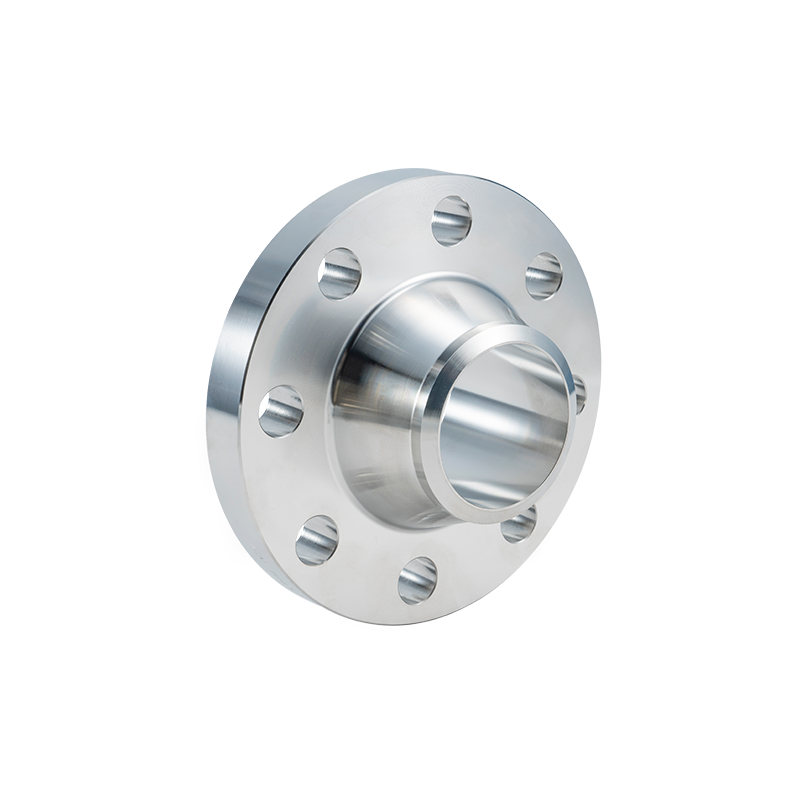
Weld Neck Steel Flange Design and Performance
- Long tapered hub providing superior stress distribution in high-pressure systems.
- Butt-weld connection compatibility for piping with ASME B16.5 compliance.
- Enhanced fatigue resistance under cyclic loading conditions.
- Optimal usage scenarios for high-pressure, high-temperature industrial applications.
Slip-On Steel Flange Design Characteristics
- Ease of installation with short hub and simple bolting requirements.
- Lower initial cost but lower stress distribution compared to weld neck flange.
- Compatibility with standard pipe schedules and welding procedures.
- Common applications in low-to-medium pressure piping systems.
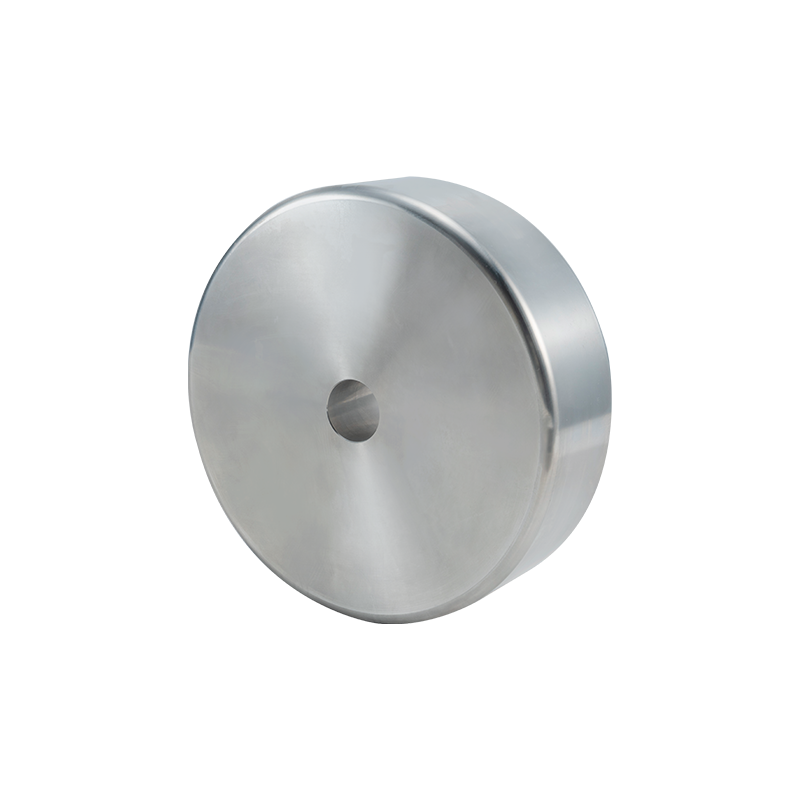
Blind Steel Flange Functions and Applications
- Used for terminating piping systems or providing inspection access points.
- Full material thickness ensures sealing under high-pressure conditions.
- Integration with gaskets and bolting torque specifications to prevent leakage.
- Typical usage in pressure vessels, pipelines, and maintenance points.
Dimensional Standards and Tolerances
- ASME B16.5 and ISO 7005 standards for flange dimensions and bolt patterns.
- Thickness, outside diameter, and hub length tolerances for each flange type.
- Inspection methodologies including laser scanning and coordinate measurement.
- Comparison of weld neck, slip-on, and blind Steel Flange tolerances in industrial contexts.
Surface Treatments and Coating Effects
- Hot-dip galvanizing, epoxy coating, and passivation techniques for corrosion resistance.
- Ra surface finish considerations to improve gasket sealing.
- Effect of surface roughness on bolted joint integrity.
- How Do Different Surface Finishes and Coatings Affect the Corrosion Resistance of Steel Flange?
Installation and Welding Considerations
- Butt-weld vs fillet-weld suitability depending on flange type.
- Preheating and post-weld heat treatment to reduce residual stress.
- Torque and bolt tightening sequence to ensure uniform gasket compression.
- Inspection for weld quality, including radiographic and ultrasonic testing.
Application-Specific Selection Criteria
- High-pressure pipelines favoring weld neck flange due to stress distribution.
- Low-pressure systems using slip-on flange for installation efficiency.
- Blind flange for temporary or permanent system closures and maintenance access.
- Material selection based on ASME, ASTM, and ISO pressure-temperature ratings.
Performance Testing and Quality Assurance
- Hydrostatic and pneumatic pressure tests for flange assemblies.
- Non-destructive testing including dye-penetrant and magnetic particle inspections.
- Batch traceability and certification in accordance with ASTM and ASME standards.
- Comparative performance records of weld neck, slip-on, and blind Steel Flange.
Frequently Asked Questions (FAQ)
- Q: What are the main differences in load distribution between weld neck and slip-on Steel Flange?
A: Weld neck flange distributes stress along the hub, reducing stress concentration; slip-on flange has localized stress near the weld. - Q: Can blind Steel Flange be used in high-temperature applications?
A: Yes, provided the material meets ASME B16.5 and ASTM A105 high-temperature ratings. - Q: How to ensure proper sealing when installing a Steel Flange?
A: Use correct gasket type, torque sequence, and Ra surface finish per standards. - Q: What inspection methods are recommended for welds on weld neck flanges?
A: Radiographic and ultrasonic testing are standard for high-pressure applications. - Q: Are slip-on flanges suitable for corrosive environments?
A: They can be used with appropriate material selection and coatings but offer lower mechanical performance than weld neck flanges.
Technical References
- ASME B16.5: Pipe Flanges and Flanged Fittings
- ISO 7005: Steel Flanges — Dimensions and Ratings
- ASTM A105 / A350: Standard Specifications for Carbon and Alloy Steel Flanges
 Previous