English
 中文简体
中文简体 Deutsch





Content
- 1 What Are Stainless Steel Plate Flanges?
- 2 How Do Plate Flanges Work?
- 3 Key Characteristics and Technical Specifications
- 4 Plate Flanges vs. Other Common Flange Types
- 5 Where Are Stainless Steel Plate Flanges Used?
- 6 Common Misconceptions and Interesting Facts
- 7 Why Stainless Steel Plate Flanges Matter
- 8 Key Takeaway
- 9 Frequently Asked Questions
In a world built on pipes — carrying water, gas, chemicals, or steam — the unsung hero is often the flange. Among the many types, stainless steel plate flanges stand out as a practical, reliable, and widely used solution for connecting sections of piping systems. This guide explains what they are, how they function, the different variations available, and why they matter in industries ranging from water treatment to food processing.
What Are Stainless Steel Plate Flanges?
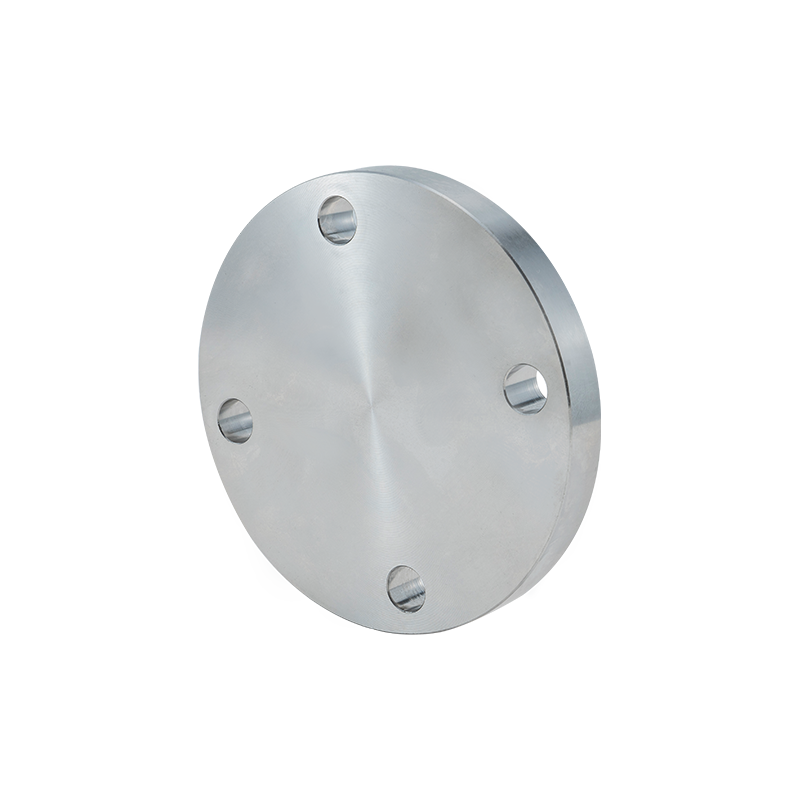
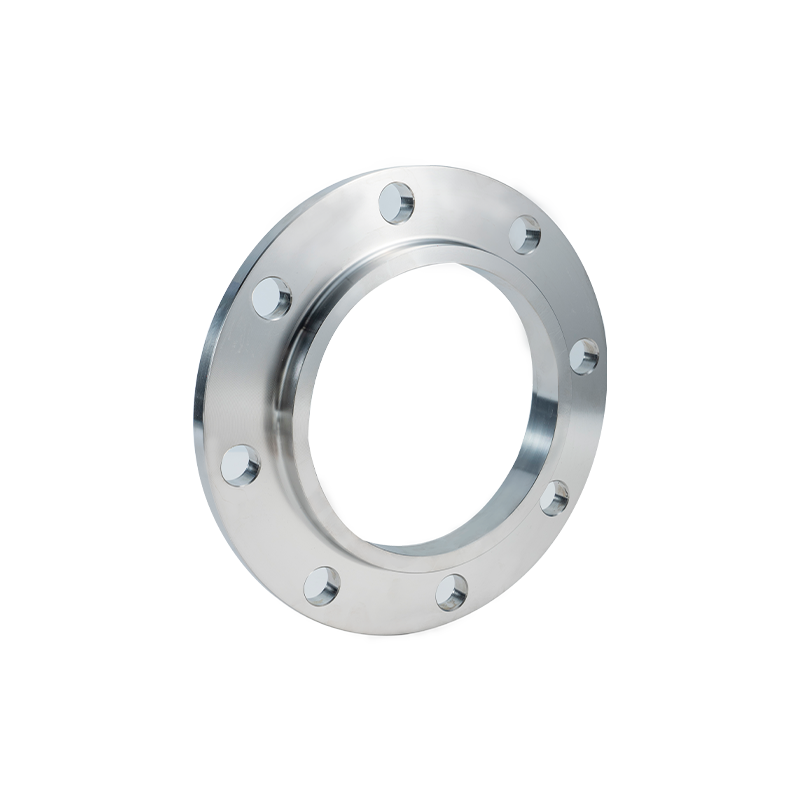
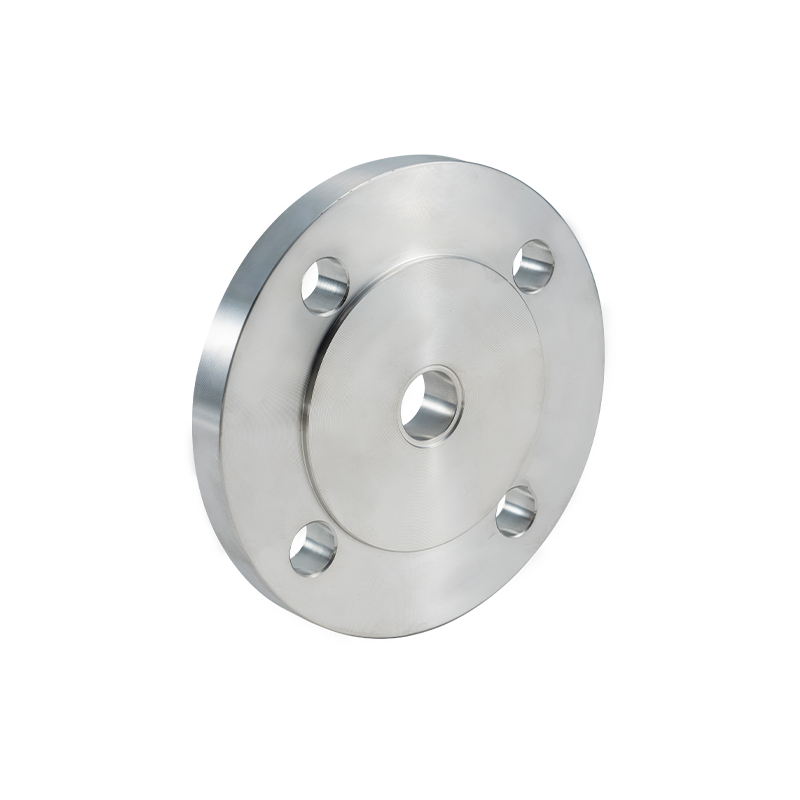
A stainless steel plate flange is a flat, circular disk made of corrosion-resistant steel. It is used to connect pipes, valves, pumps, and other equipment to form a complete piping system. The flange has a series of bolt holes arranged evenly around its circumference. By bolting two flanges together — with a gasket in between — engineers create a strong, leak-proof joint that can be easily assembled, disassembled, inspected, or cleaned Types of Stainless Steel Flanges — Detailed Guide.
Unlike some flange types that feature a raised face or a complex profile, the plate flange generally has a relatively flat surface, which makes it straightforward to manufacture and align. This simplicity is part of its appeal, especially in applications where extreme pressures or temperatures are not the primary concern, but where reliability and corrosion resistance are essential Stainless Steel Flange Standards — ASTM, ASME, DIN, JIS.
How Do Plate Flanges Work?
The working principle of a plate flange is based on compression and mechanical fastening. Here is how it works:
- Positioning: The flange is slipped over or welded to the end of a pipe. For plate flanges, welding is the most common attachment method, creating a permanent, integrated connection.
- Gasketing: A soft, compressible gasket (often made of rubber, PTFE, or graphite) is placed between the faces of two mating flanges. This gasket fills any microscopic imperfections on the flange surfaces.
- Bolting: Bolts are inserted through the aligned bolt holes of both flanges and tightened to a specific torque. This clamping force compresses the gasket, which expands to fill the gap, creating a seal that prevents fluid from escaping Industries That Use Stainless Steel Flanges.
The strength of the joint comes from the combined effect of the bolt tension and the gasket's resilience. In a properly installed system, the stainless steel plate flange ensures a reliable seal that can withstand moderate pressures, temperature fluctuations, and vibrations.
Key Characteristics and Technical Specifications
Choosing the right flange involves considering several technical parameters. Here are the most important specifications to understand:
| Specification Parameter | What It Means in Plain Language |
|---|---|
| Pressure Class (e.g., 150, 300) | Indicates the maximum allowable working pressure. Class 150 is suitable for low to medium pressure, while Class 300 handles higher pressures. |
| Nominal Pipe Size (NPS) and DN | Refers to the pipe diameter the flange is designed for — from small (1/2 inch) to very large (over 48 inches). |
| Facing Type (Raised Face, Flat Face) | Most plate flanges have a raised face (RF) which concentrates the gasket pressure and improves sealing. Flat face (FF) is used with cast iron or low-pressure systems. |
| Material Grade (304, 316, 304L, 316L) | Grade 304 is a versatile stainless steel. Grade 316 contains molybdenum, offering superior resistance to corrosion from chlorides and acids. |
| Standard Compliance (ASME, ASTM, DIN, JIS) | Ensures the flange meets international dimensional, material, and testing requirements for global compatibility. |
For instance, the widely referenced ASTM A182 specification covers forged stainless steel flanges for high-temperature service. Meanwhile, the ASME B16.5 standard defines the pressure-temperature ratings, dimensions, and tolerances for flanges up to 24 inches in size. Understanding these specifications helps ensure that the plate flange will function safely and reliably in its intended environment.
Plate Flanges vs. Other Common Flange Types
While plate flanges are popular, they are not the only option. Here is how they compare to other key types:
| Flange Type | Key Characteristic | Best For |
|---|---|---|
| Plate Flange | Flat disk, welded to pipe; simple and affordable | General purpose, low to medium pressure systems (e.g., water, air, light chemicals) |
| Weld Neck Flange | Has a tapered hub; transfers stress to the pipe | High-pressure, high-temperature, or critical applications (e.g., oil and gas, power generation) |
| Slip-On Flange | Slides over the pipe; requires two welds | Low-pressure systems where ease of alignment is key |
| Blind Flange | Solid disk with no center hole; used to cap pipes | Sealing the end of a piping system or for pressure testing |
| Threaded Flange | Has internal threads to connect to a threaded pipe without welding | Systems where welding is not possible or allowed (e.g., explosive environments) |
The choice depends on the specific requirements of the project. For many everyday industrial applications, the stainless steel plate flange offers an ideal balance of cost-effectiveness, corrosion resistance, and reliable performance.
Where Are Stainless Steel Plate Flanges Used?
You will find these flanges in a wide array of industries and settings. Here are some concrete examples:
Water and Wastewater Treatment
In water treatment plants, plate flanges connect large-diameter pipes carrying raw water, treated water, and sludge. Their resistance to corrosion from moisture and chemicals makes them a preferred choice in these environments. Standards like AWWA C228 cover stainless steel pipe flange joints specifically for water service.
Food and Beverage Processing
Hygiene is paramount. Stainless steel plate flanges with smooth finishes are used to connect pipes for milk, beer, juice, and other consumables. The non-reactive nature of stainless steel prevents contamination and makes sanitation easier.
Chemical and Petrochemical Plants
These environments involve aggressive fluids, high temperatures, and corrosive conditions. Plate flanges in grades like 316 stainless steel or duplex stainless steel provide the necessary durability to handle acids, solvents, and hydrocarbons safely.
Architectural and Decorative Applications
Beyond industrial uses, the aesthetic appeal of stainless steel is utilized in architectural railings, structural columns, and modern building features, where plate flanges serve as both functional connectors and visually pleasing design elements.
Common Misconceptions and Interesting Facts
Misconception 1: All stainless steel flanges are the same.
Reality: There is a vast difference between grades like 304 and 316. The addition of molybdenum in 316 stainless steel significantly enhances its resistance to pitting and crevice corrosion in chloride environments, making it essential for marine or coastal applications.
Misconception 2: Plate flanges are only for small pipes.
Reality: Plate flanges are available in sizes from tiny (DN15) up to extremely large (DN1200 and beyond) — sometimes exceeding 48 inches in diameter.
Interesting Fact: Forging vs. Casting.
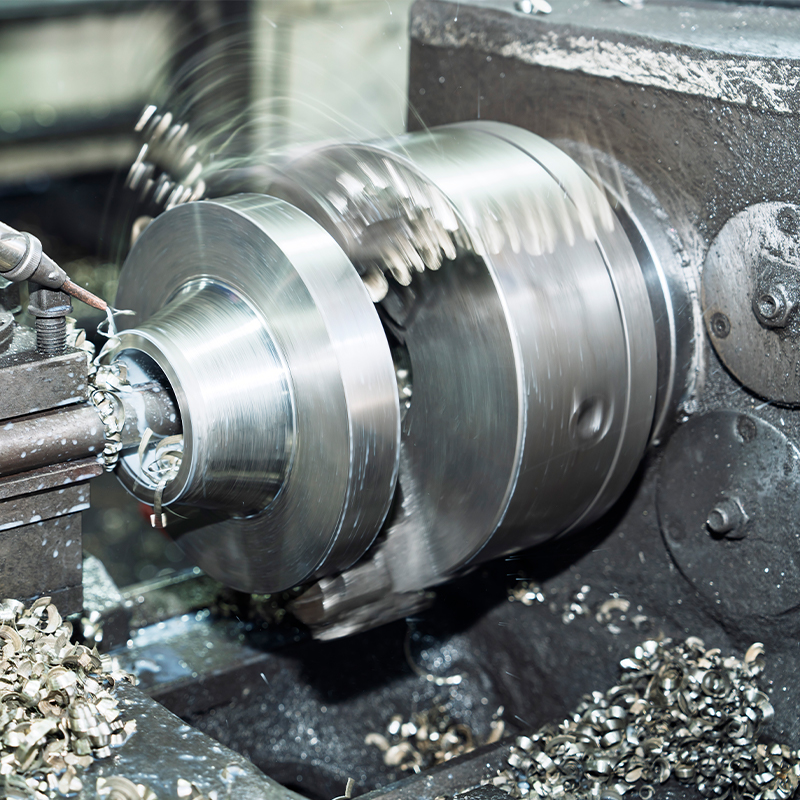
Most high-quality stainless steel plate flanges are forged, not cast. Forging aligns the grain structure of the steel, making the flange stronger, tougher, and more resistant to impact and fatigue than a cast flange of the same material.
Interesting Fact: Global scale.
The global stainless steel flanges market is substantial, valued at several billion dollars and expected to grow steadily, driven by infrastructure investment and industrial development.
Why Stainless Steel Plate Flanges Matter
On the surface, a plate flange seems like a simple piece of metal. But in practice, it is a critical component that enables the safe and efficient transport of essential resources — from the water flowing in your home to the fuel powering industrial machinery. These flanges contribute to:
- Safety: By preventing leaks of hazardous or costly fluids.
- Maintainability: Allowing easy access for cleaning, inspection, and repairs without cutting and re-welding pipes.
- Longevity: The corrosion-resistant nature of stainless steel ensures that flanges can last for decades, reducing the need for frequent replacement.
- Sustainability: Stainless steel is 100% recyclable, making flanges a more environmentally friendly choice compared to some other materials.
Key Takeaway
Stainless steel plate flanges are a cornerstone of modern piping systems. Their straightforward design, combined with the inherent strength and corrosion resistance of stainless steel, makes them a versatile, durable, and cost-effective choice for a wide spectrum of applications. Whether in a massive desalination plant, a pharmaceutical facility, or a municipal water system, these flanges keep everything connected safely and reliably.
By understanding the types, standards, and key considerations of plate flanges, engineers, technicians, and even curious learners can appreciate the intricate engineering that flows through the world's pipes.
Frequently Asked Questions
What is the difference between a plate flange and a slip-on flange?
A plate flange is typically welded directly to the end of the pipe and features a flat face. A slip-on flange is designed to slide over the pipe and is welded on both the inside and outside. While both are used in low-pressure systems, slip-on flanges are slightly easier to align during installation, whereas plate flanges can be more economical.
What does "Class 150" mean for a stainless steel plate flange?
"Class 150" is a pressure-temperature rating defined by ASME B16.5. It indicates the maximum pressure the flange can handle at a given temperature. At ambient temperature, a Class 150 flange can withstand up to about 285 psi, but this rating decreases as the temperature rises.
When should I choose 316 stainless steel over 304 for a plate flange?
Choose 316 when the flange will be exposed to corrosive environments, especially those with chlorides, salt water, or strong acids. Grade 316 contains molybdenum, which enhances its resistance to pitting and crevice corrosion. For general, less aggressive environments, 304 is often sufficient and more economical.
Are stainless steel plate flanges safe for drinking water applications?
Yes, stainless steel is widely approved for potable water systems. It does not leach harmful substances into the water and is resistant to biofilm formation and corrosion, making it an ideal material for water treatment and distribution.
Can a plate flange be used for high-pressure steam?
While plate flanges are used in some steam applications, for very high pressure and temperature, a weld neck flange is generally preferred. The weld neck's tapered hub provides additional strength and reduces stress concentration at the joint, making it safer for demanding steam service.
What is the most common standard for stainless steel plate flanges?
The most widely recognized standard is ASME B16.5, which covers dimensions, tolerances, materials, and pressure-temperature ratings for flanges up to NPS 24. Other common standards include ASME B16.47 for larger flanges, and international standards like DIN, JIS, and EN 1092.
Do I need a gasket with a plate flange?
Yes, nearly always. A gasket is essential to create a leak-proof seal between the two flange faces. The type of gasket (e.g., rubber, PTFE, spiral wound) depends on the fluid being transported, the temperature, and the pressure of the system.
This article is intended for educational and informational purposes only. For specific engineering designs, please consult qualified professionals and refer to applicable industry codes and standards.
 Previous