English
 中文简体
中文简体 Deutsch





Content
- 1 Correlation Between CPT and Passive Film Integrity in High-Chloride Zones
- 2 Microstructural Balance and Resistance to Stress Corrosion Cracking
- 3 Sigma Phase Precipitation and Impact Toughness Risks during Fabrication
- 4 Standard Compliance and Quality Assurance in Sour Service
- 5 Hardcore FAQ
- 6 Technical References
Correlation Between CPT and Passive Film Integrity in High-Chloride Zones
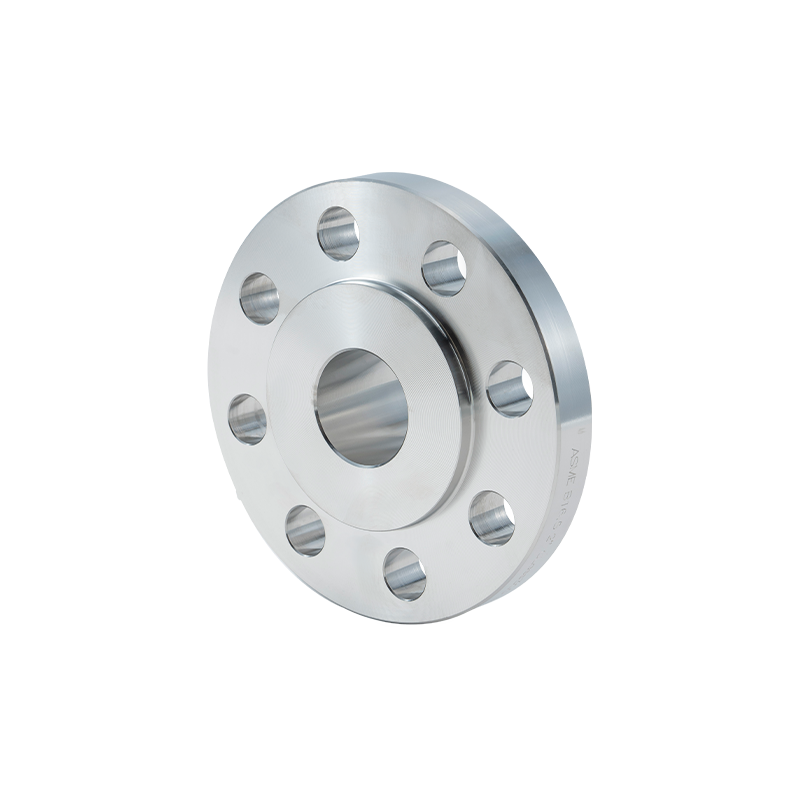
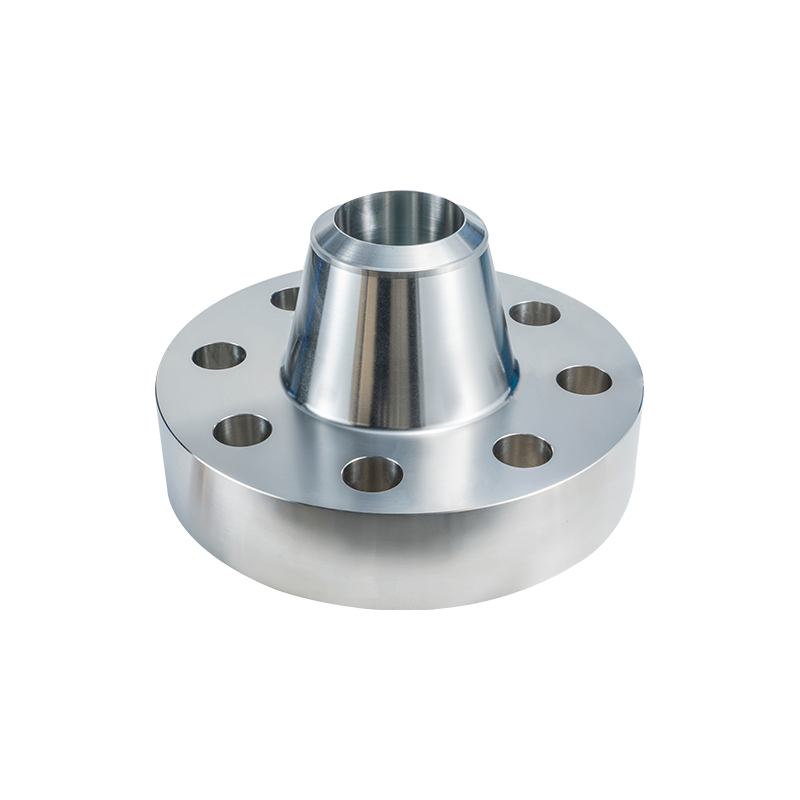
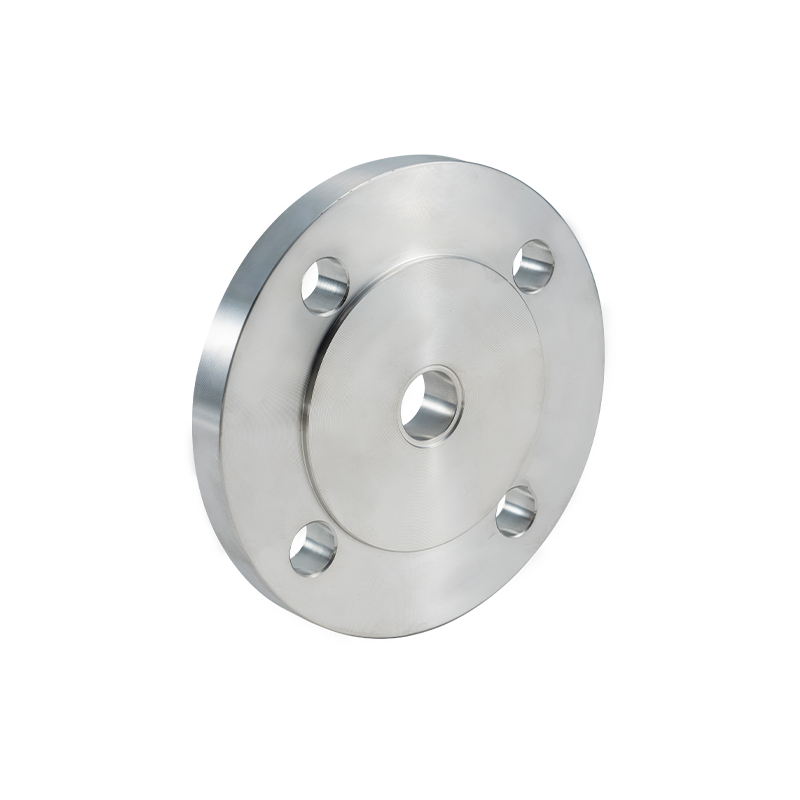
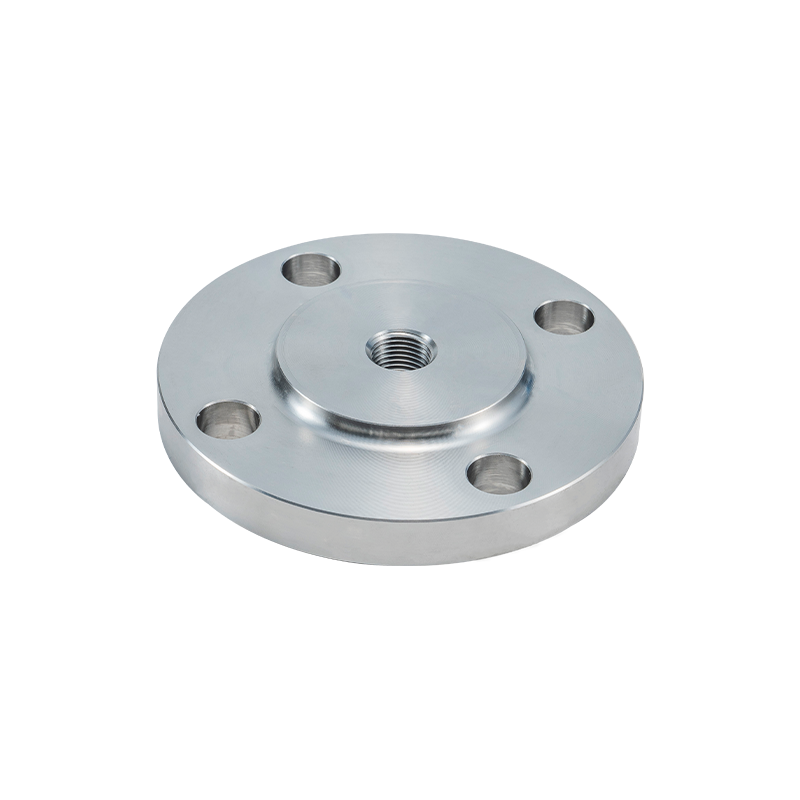
1. The Critical Pitting Temperature (CPT) of super duplex steel flanges serves as the definitive thermal threshold beyond which the protective chromium-oxide passive layer experiences localized breakdown, leading to rapid pitting corrosion. 2. In deep-sea high-chloride zones, why CPT is critical for subsea flange selection relates to the concentration of chloride ions; as temperature increases, the electrochemical potential required to initiate pits decreases, making CPT the decisive safety metric for oil and gas infrastructure. 3. For a high-performance super duplex steel flanges assembly, maintaining a CPT above 50 degrees Celsius (per ASTM G48 Method E) is mandatory to ensure long-term stability in aggressive seawater injection systems. 4. The impact of PREN on the critical pitting temperature of flanges is linear; with a Pitting Resistance Equivalent Number exceeding 40, super duplex steel flanges utilize high molybdenum (3.0-5.0 percent) and nitrogen (0.24-0.32 percent) content to reinforce the passive film at the molecular level.
Microstructural Balance and Resistance to Stress Corrosion Cracking
1. How the 50:50 austenite-ferrite phase balance improves flange durability: By maintaining a nearly equal ratio of these two phases, super duplex steel flanges effectively arrest the propagation of stress corrosion cracks, as the ferrite phase provides a tortuous path for crack growth. 2. The tensile strength of super duplex steel flanges (typically 750 MPa to 800 MPa) far exceeds that of standard austenitic grades, allowing for thinner wall sections and reduced total connector weight in subsea manifolds. 3. Comparing super duplex vs 316L for subsea applications reveals that the 0.2 percent yield strength of super duplex is approximately double that of 316L, significantly enhancing the mechanical safety factor under high-pressure hydrostatic loads. 4. Achieving a precise Ra surface finish below 3.2 micrometers on the ring joint grooves is vital to ensure that the metal-to-metal seal does not provide crevice sites that would effectively lower the operational CPT of the super duplex steel flanges.
Sigma Phase Precipitation and Impact Toughness Risks during Fabrication
1. Preventing Sigma phase formation in super duplex steel flanges during welding or heat treatment is critical; the precipitation of intermetallic phases between 600 degrees Celsius and 1000 degrees Celsius can cause a catastrophic drop in Charpy V-notch impact toughness. 2. Testing the impact toughness of super duplex flanges at cryogenic temperatures ensures that the material remains ductile in the localized cooling effects of gas expansion or deep-water immersion at 4 degrees Celsius. 3. Optimizing heat input for super duplex flange welding involves strict interpass temperature control (typically below 100 degrees Celsius) to avoid the impact of intermetallic phases on duplex flange corrosion resistance, which would otherwise compromise the CPT. 4. Alloy Performance and Threshold Matrix:
| Material Grade | UNS Designation | PREN (min) | Typical CPT (ASTM G48 E) |
| Duplex 2205 | S32205 | 35 | ~30 degrees Celsius |
| super duplex steel flanges | S32750 / S32760 | 40 | >50 degrees Celsius |
| Super Austenitic (6Mo) | S31254 | 42 | ~45 degrees Celsius |
| Austenitic 316L | S31603 | 24 | <15 degrees Celsius |
Standard Compliance and Quality Assurance in Sour Service
1. Does NORSOK M-630 compliance ensure flange reliability? For North Sea and international offshore projects, adherence to NORSOK standards guarantees that super duplex steel flanges have undergone rigorous corrosion testing and microstructural examination. 2. Evaluating the H2S resistance of super duplex flanges in sour service involves verifying compliance with ISO 15156/NACE MR0175, which limits the allowable hardness to prevent Hydrogen Induced Cracking (HIC). 3. Measuring the ferrite content of customized super duplex flanges via ferritometer or point-counting ensures that the super duplex steel flanges possess the required 40-60 percent ferrite range across the entire forged body.
Hardcore FAQ
1. Why is CPT more important than PREN for subsea engineering? While PREN is a theoretical calculation based on chemical composition, CPT is an empirical measurement of actual performance. super duplex steel flanges must pass CPT testing to prove the absence of deleterious phases like Sigma, which PREN cannot detect. 2. Can super duplex steel flanges be used in temperatures above 250 degrees Celsius? No. At temperatures above 250 degrees Celsius, super duplex steel flanges are susceptible to "475 degree Celsius embrittlement," where the ferrite phase becomes extremely brittle, compromising the tensile strength and safety. 3. How does Nitrogen improve the CPT of these flanges? Nitrogen strongly partitions to the austenite phase, increasing its tensile strength and significantly raising the localized pitting resistance, thereby balancing the high chromium resistance of the ferrite phase. 4. What is the typical PREN requirement for S32750 flanges? Per industry standards, a minimum PREN of 40 is required. It is calculated using the formula: PREN = %Cr + 3.3x(%Mo + 0.5x%W) + 16x%N. 5. Are these flanges compatible with cathodic protection systems? Yes, but care must be taken. If the cathodic protection potential is too negative, there is a risk of Hydrogen Induced Stress Cracking (HISC) in the ferrite phase of the super duplex steel flanges.
Technical References
1. NORSOK M-630: Material data sheets and covering specifications for piping. 2. ASTM G48: Standard Test Methods for Pitting and Crevice Corrosion Resistance of Stainless Steels. 3. ISO 17781: Petroleum, petrochemical and natural gas industries — Test methods for quality control of microstructure of duplex stainless steels.
 Previous