English
 中文简体
中文简体 Deutsch





Content
Metallurgical Grain Flow and Mechanical Anisotropy in Forging Processes
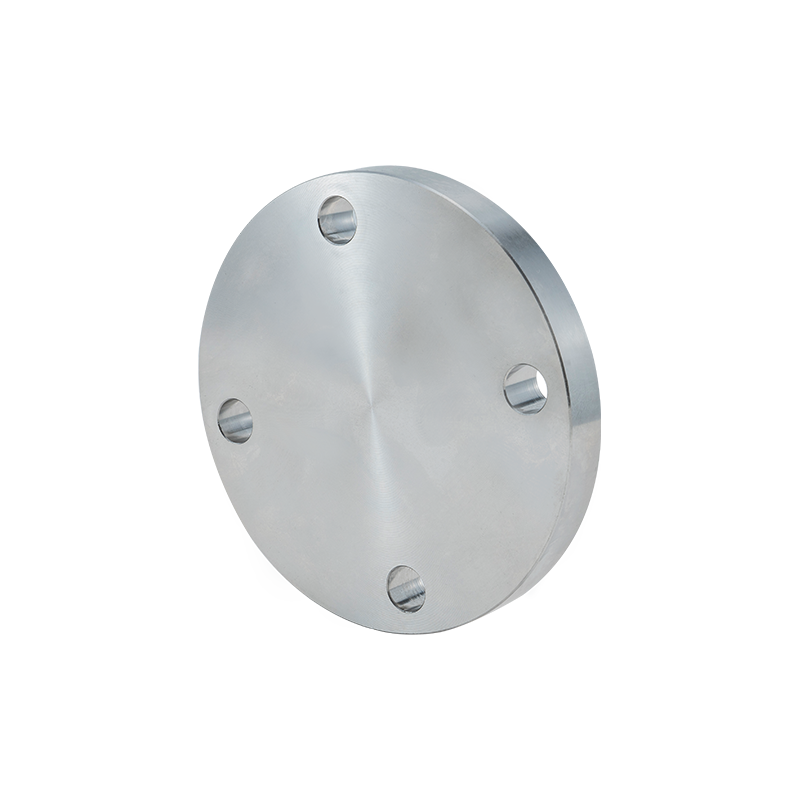
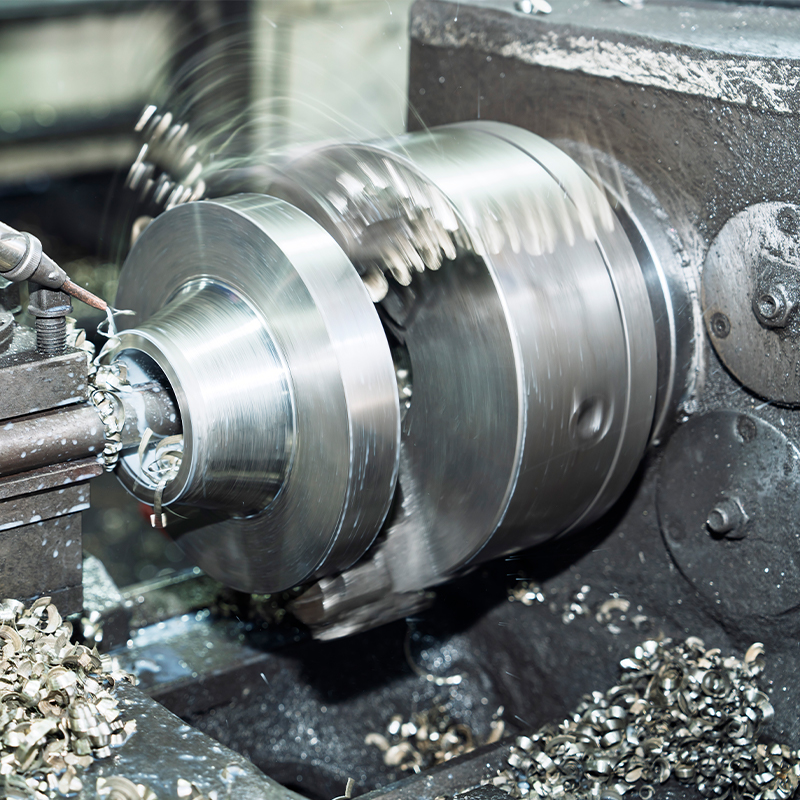
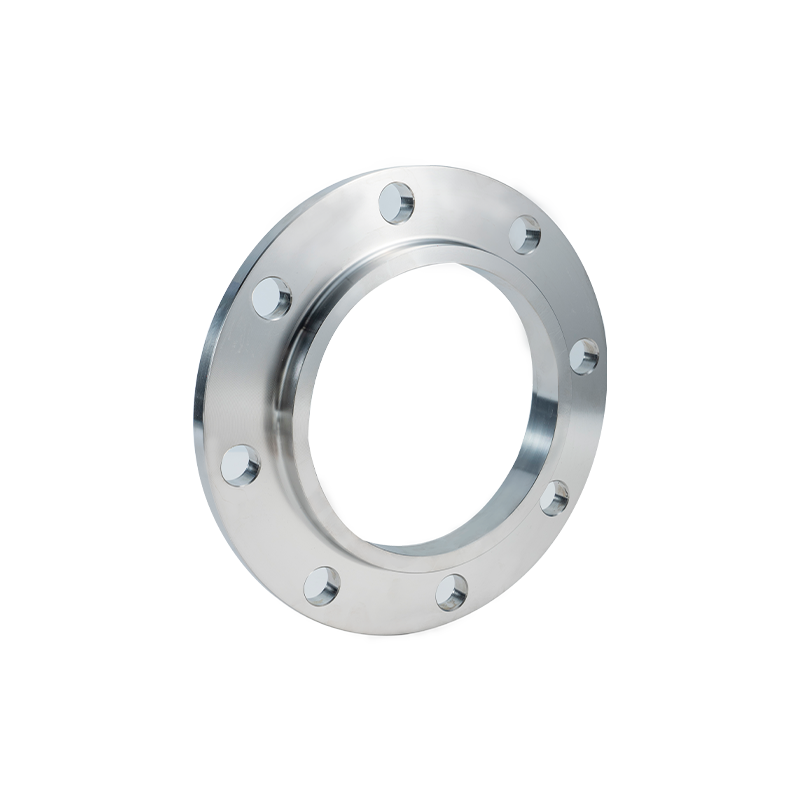
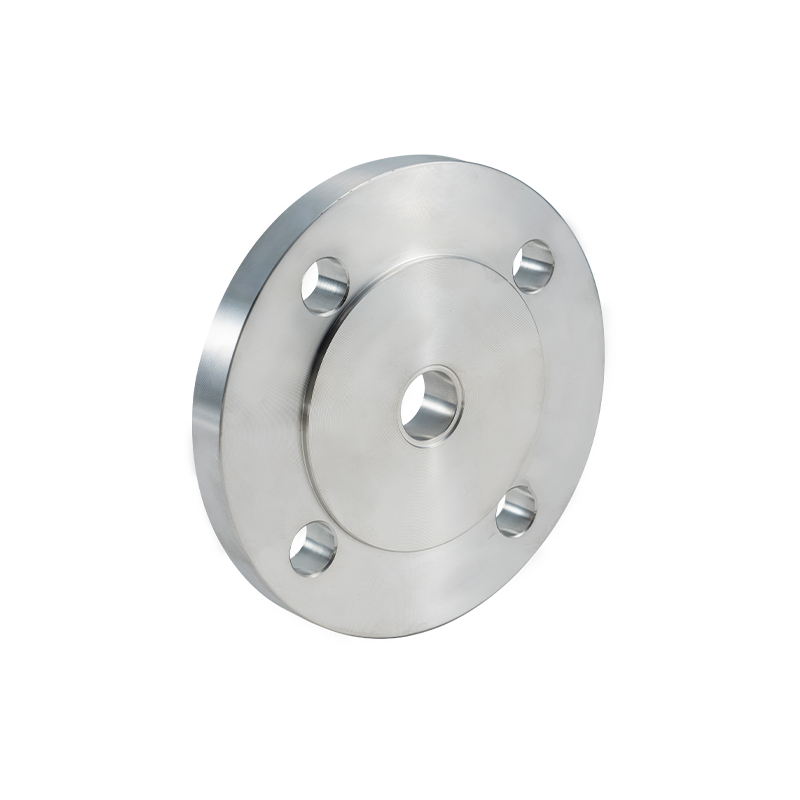
1. The structural integrity of stainless steel forged flanges is fundamentally derived from the deformation process, which aligns the metal's crystalline structure into a continuous grain flow. 2. When analyzing how grain flow direction impacts fatigue resistance, engineers observe that longitudinal grain orientation provides maximum resistance to the cyclic loading typical of subsea environments. 3. For critical offshore applications, stainless steel forged flanges must be manufactured with a forging ratio that ensures the destruction of the original cast dendritic structure, replacing it with a refined, cohesive fiber flow. 4. The impact of forging ratio on flange grain refinement is measured by the reduction in cross-sectional area; a higher ratio significantly improves the tensile strength and ductility by eliminating internal voids and segregations.
Fatigue Crack Initiation and Resistance in High-Pressure Environments
1. Why grain flow is critical for subsea connectors: In high-pressure subsea systems, fatigue cracks often initiate at the surface. If the grain flow in stainless steel forged flanges is perpendicular to the principal stress, the crack propagates rapidly along the grain boundaries. 2. To improve fatigue life with optimized grain flow, the forging dies are designed so that the grain "fibers" follow the contour of the flange hub and neck, creating a metallurgical barrier against crack growth. 3. In a stainless steel forged flanges assembly, maintaining a precise Ra surface finish (typically 3.2 to 6.3 micrometers) on the ring joint grooves prevents micro-stress concentrations that could bypass the benefits of internal grain alignment. 4. Comparing grain flow in forged vs cast flanges reveals that cast components lack directional fibers, making them isotropic and significantly more prone to brittle fracture under the hydrostatic pressures found at depths exceeding 2000 meters.
Heat Treatment Protocols and Solution Annealing Stability
1. Why post-forging solution annealing is required: Heating stainless steel forged flanges to approximately 1050 degrees Celsius followed by rapid quenching dissolves chromium carbides, ensuring the grain boundaries remain resistant to sensitization. 2. The impact of solution annealing on stainless steel fatigue involves the homogenization of the microstructure, which prevents localized galvanic cells from forming along the grain flow lines. 3. Achieving consistent HRC hardness through controlled cooling ensures that the stainless steel forged flanges meet the requirements of ISO 15156 for resistance to hydrogen-induced cracking in sour service conditions. 4. Material Performance Comparison:
| Parameter | Standard Cast Stainless | stainless steel forged flanges |
| Internal Porosity | Possible (Gas/Shrinkage) | Zero (Mechanically Compressed) |
| Grain Flow Type | Random / Dendritic | Contoured / Continuous |
| Minimum tensile strength | 450 MPa | 515 MPa (Typical for F316L) |
| UT Inspection Reliability | Low (Signal Scatter) | High (Clean Acoustic Path) |
Mechanical Validation and NDT Inspection Standards
1. How to verify grain flow in forged flanges: Macro-etch testing involves cutting a sacrificial stainless steel forged flanges sample and etching the surface with acid to visually confirm the flow lines align with the component's geometry. 2. Testing the impact toughness of stainless steel forged flanges at -196 degrees Celsius is a prerequisite for cryogenic subsea services, ensuring the material remains ductile in extreme deep-water temperatures. 3. Optimizing forged flange design for cyclic pressure involves calculating the stress intensity factors (SIF) at the flange-to-pipe transition, where the continuity of the grain flow is most vital for preventing fatigue failure.
Hardcore FAQ
1. Does the grain flow direction affect the corrosion rate? While grain flow primarily affects mechanical properties, end-grain exposure (where grains are cut perpendicular to the surface) can be more susceptible to pitting. Properly manufactured stainless steel forged flanges ensure the flow is parallel to the wetted surface. 2. What is the minimum forging ratio for subsea-grade flanges? Industry standards typically require a minimum forging ratio of 3:1 or 4:1 to ensure sufficient grain refinement and the elimination of the cast structure in stainless steel forged flanges. 3. Can NDT detect improper grain flow? Standard Ultrasonic Testing (UT) identifies internal defects, but it cannot map grain flow lines. Confirmation usually requires macro-etching a sample from the same production heat or using specialized impact of grain flow on ultrasonic signal attenuation analysis. 4. Why is F316L the standard for these forged components? F316L provides a high Pitting Resistance Equivalent Number (PREN) and, when forged, offers the necessary tensile strength and fatigue resistance for long-term subsea immersion. 5. Is forging always superior to machining from plate? Yes. Machining from plate cuts through the grain lines, whereas stainless steel forged flanges wrap the grain lines around the part, significantly increasing the fatigue limit.
Technical References
1. ASTM A182: Standard Specification for Forged or Rolled Alloy and Stainless Steel Pipe Flanges. 2. ISO 15156: Materials for use in H2S-containing environments in oil and gas production. 3. ASME Section VIII Div 2: Alternative Rules for Construction of Pressure Vessels (Fatigue Analysis).
 Previous