English
 中文简体
中文简体 Deutsch





Content
A complete technical guide to duplex steel flanges — strength, corrosion resistance, and industrial applications.
Industrial Piping Components
Duplex Steel Flange
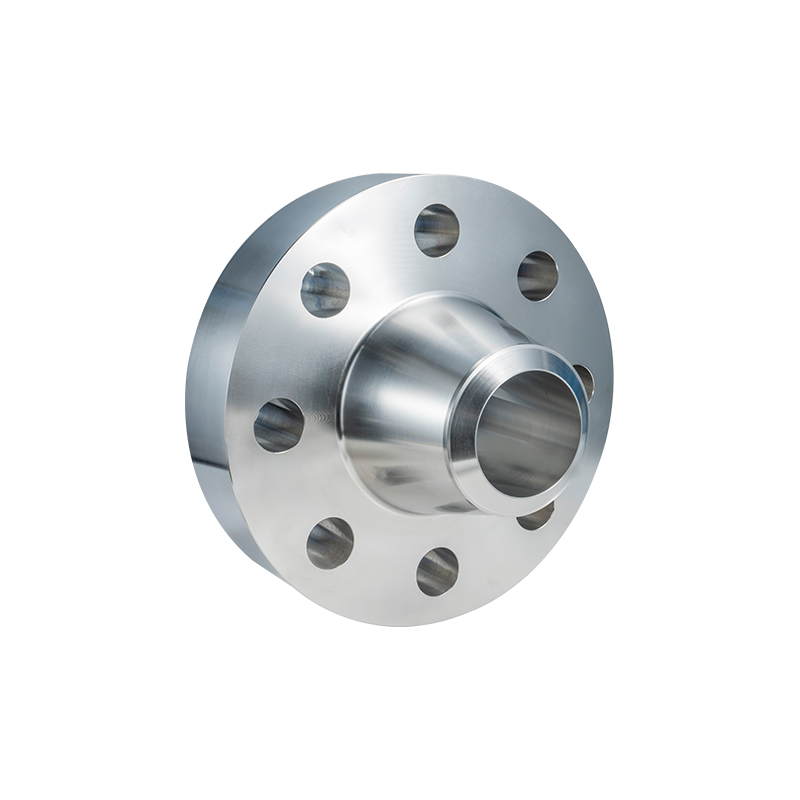
A duplex steel flange is a high-performance pipe connection component manufactured from duplex stainless steel — a family of alloys that combine the strength of ferritic steels with the corrosion resistance of austenitic steels. These flanges are the preferred choice for demanding applications in oil and gas, chemical processing, marine engineering, and power generation where standard stainless steels are insufficient.
2205 / 2507
Common grades
150# - 2500#
Pressure ratings
1/2" - 48"
Size range
01
What Is a Duplex Steel Flange
A duplex steel flange is a forged or cast pipe flange manufactured from duplex stainless steel — a family of alloys characterized by a two-phase microstructure consisting of approximately equal proportions of austenite and ferrite. This unique metallurgical structure gives duplex steels their exceptional combination of strength and corrosion resistance.
Duplex stainless steels were first developed in the 1930s, but it wasn't until the 1970s that modern duplex grades with improved weldability and corrosion resistance became commercially available. Today, duplex steel flanges are essential components in industries where piping systems are exposed to aggressive environments, high pressures, and elevated temperatures.
The duplex structure provides several advantages over conventional austenitic stainless steels such as 304 and 316L. Duplex steels offer approximately twice the yield strength of austenitic grades, superior resistance to stress corrosion cracking, and better resistance to pitting and crevice corrosion in chloride-containing environments. These properties make duplex steel flanges ideal for applications in offshore oil and gas, chemical processing, desalination plants, and marine engineering.
Common duplex grades used for flange manufacturing include UNS S31803 (2205), UNS S32205 (also commonly referred to as 2205), and UNS S32750 (2507 — super duplex). Each grade offers specific performance characteristics tailored to different service conditions and corrosive environments.
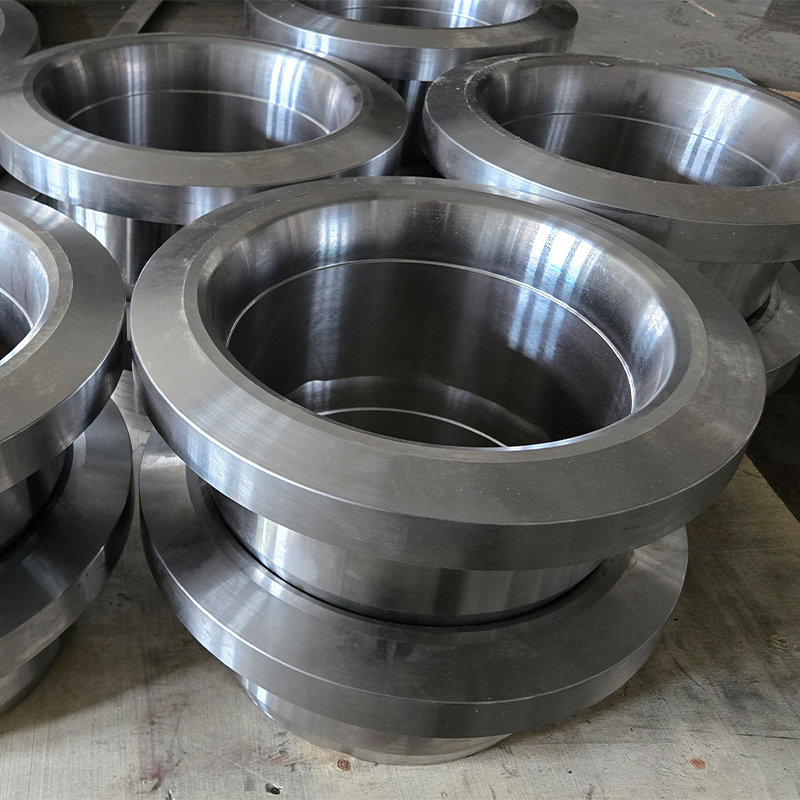
Duplex steel flanges offer the perfect balance of strength and corrosion resistance — making them the material of choice for the world's most demanding piping applications.
02
Key Properties and Advantages
A duplex steel flange offers a range of properties that make it superior to conventional stainless steel flanges in many applications. These properties are the result of the unique two-phase microstructure of duplex stainless steels.
High Strength
Duplex steels offer yield strengths of 450-550 MPa, approximately twice that of 316L stainless steel (which has a yield strength of around 220 MPa). This allows for lighter, more compact flange designs without compromising pressure rating or safety margins. The higher strength also translates to improved resistance to mechanical damage during handling and installation.
Excellent Corrosion Resistance
Duplex steels provide superior resistance to pitting, crevice corrosion, and stress corrosion cracking in chloride-containing environments. The PREN (Pitting Resistance Equivalent Number) of duplex grades typically ranges from 30 to 40, compared to 25 for 316L. This makes duplex flanges particularly well-suited for seawater, brine, and chemical processing applications where corrosion is a significant concern.
Stress Corrosion Cracking Resistance
Duplex steels are highly resistant to chloride-induced stress corrosion cracking, a common failure mode in austenitic stainless steels operating in warm chloride environments. This resistance is critical in applications such as heat exchangers, condensers, and piping systems in coastal and offshore installations.
Good Weldability
Modern duplex grades are designed with good weldability, allowing for reliable fabrication and installation. Proper welding procedures are essential to maintain the duplex structure and corrosion resistance in the heat-affected zone. With appropriate filler metals and welding parameters, duplex flanges can be welded successfully in the field.
Thermal Conductivity
Duplex steels have higher thermal conductivity than austenitic grades, which improves heat transfer in heat exchanger applications and reduces thermal stresses during temperature cycling. This property is particularly beneficial in power generation and chemical processing where thermal efficiency is important.
Cost-Effectiveness
While duplex steel flanges have a higher initial material cost than conventional carbon steel or 316L flanges, they offer significant cost savings over the long term. The combination of higher strength and corrosion resistance reduces maintenance requirements, extends service life, and minimizes downtime, resulting in a lower total cost of ownership.
03
Common Duplex Steel Grades
Several duplex steel grades are commonly used for flange manufacturing, each with specific properties that suit different applications. The selection of the appropriate grade depends on the operating conditions, corrosive environment, and mechanical requirements.
UNS S31803 (2205)
The most widely used duplex grade, 2205 offers an excellent combination of strength, corrosion resistance, and weldability. It is suitable for a wide range of applications including oil and gas, chemical processing, and marine engineering. The typical PREN value of 2205 is approximately 35, providing good resistance to pitting in chloride environments.
UNS S32205 (2205)
An enhanced version of S31803 with tighter compositional controls, S32205 offers improved corrosion resistance and mechanical properties. The higher molybdenum and nitrogen content provides better resistance to pitting and crevice corrosion, making it suitable for more aggressive environments.
UNS S32750 (2507 — Super Duplex)
A super duplex grade with exceptional strength and corrosion resistance. 2507 has a PREN value of 40 or higher, providing superior resistance to pitting and crevice corrosion in highly aggressive environments such as seawater and acid chloride solutions. It is used in the most demanding applications where standard duplex grades are insufficient.
UNS S32760 (Zeron 100)
A super duplex grade with added tungsten and copper for enhanced corrosion resistance in specific environments. Zeron 100 offers similar properties to 2507 with improved resistance to certain acid environments. It is often specified for offshore and chemical processing applications.
UNS S32101 (LDX 2101)
A lean duplex grade offering good corrosion resistance and high strength at a lower cost than standard duplex grades. LDX 2101 is often used as a cost-effective alternative to 316L in less corrosive environments where higher strength is required.
UNS S32304 (2304)
A lean duplex grade with moderate corrosion resistance and high strength. 2304 is often used as an alternative to 304L and 316L in applications where the higher strength of duplex is beneficial but the extreme corrosion resistance of 2205 is not required.
Leading manufacturers such as Jiangyin Zhonghai Precision Machinery Co., Ltd. offer duplex steel flanges in a wide range of grades, with in-house forging, machining, heat treatment, and testing capabilities to ensure quality and performance.
04
Applications
Duplex steel flanges are used across a wide range of industries where corrosion resistance and strength are critical. The following are some of the most common applications:
Oil and Gas
Offshore platforms, subsea equipment, pipelines, and processing facilities where exposure to seawater, CO₂, and H₂S is common. Duplex flanges are essential for maintaining system integrity in these demanding environments.
Chemical Processing
Reactor connections, heat exchangers, and piping systems handling corrosive chemicals including acids, chlorides, and organic solvents. The corrosion resistance of duplex steels is critical for maintaining product purity and preventing leaks.
Marine Engineering
Shipbuilding, offshore structures, and port facilities where exposure to seawater and marine atmospheres is constant. Duplex flanges provide long-term reliability in these corrosive environments.
Power Generation
Boiler connections, steam piping, and cooling water systems in thermal and nuclear power plants. The strength and temperature resistance of duplex steels make them suitable for these demanding applications.
Desalination Plants
High-pressure piping systems in reverse osmosis and thermal desalination plants where corrosion resistance is essential. Duplex flanges are widely used in the Middle East and other regions where desalination is critical.
Pulp and Paper
Digester connections, bleaching systems, and chemical recovery areas where corrosive chemicals and high temperatures are present. Duplex flanges offer the corrosion resistance needed for these challenging applications.
05
Standards and Specifications
Duplex steel flanges are manufactured to international standards that define dimensions, tolerances, materials, and testing requirements. Compliance with these standards ensures interoperability and reliability.
ASME B16.5
Flanges up to 24" diameter. Defines dimensions, tolerances, pressure-temperature ratings, and materials for pipe flanges and flanged fittings.
ASME B16.47
Flanges from 26" to 60" diameter. Covers large-diameter flanges in two series: Series A and Series B, with different dimensions and pressure ratings.
ASTM A182
Forged or rolled alloy and stainless steel pipe flanges, forged fittings, and valves. Covers the material requirements for duplex steel flanges.
ASTM A240
Chromium and chromium-nickel stainless steel plate, sheet, and strip for pressure vessels and for general applications.
EN 1092-1
European standard for flanges with PN designations. Covers dimensions, tolerances, and pressure-temperature ratings for flanges used in European markets.
JIS B2220
Japanese standard for steel pipe flanges. Defines dimensions, tolerances, and pressure ratings for flanges used in Japanese markets.
ISO 10423
International standard for drilling and production equipment — wellhead and Christmas tree equipment. Covers flanges used in oil and gas production.
NORSOK M-630
Norwegian standard for piping system materials, including duplex steel flanges for offshore applications.
Jiangyin Zhonghai Precision Machinery Co., Ltd. is ISO 9001–certified with PED/TS qualifications, manufacturing duplex steel flanges to ASME, ASTM, JIS, DIN, and EN standards, as well as fully customized parts based on customer drawings.
06
Selection Guide
Selecting the right duplex steel flange requires careful consideration of several factors. The following guide provides a structured approach to flange selection:
1
Identify service conditions
Determine the operating pressure, temperature, and fluid composition. Consider the presence of chlorides, H₂S, CO₂, and other corrosive agents that will influence material selection.
2
Select grade
Choose the appropriate duplex grade based on corrosion resistance requirements and operating conditions. Consider PREN values and resistance to specific corrosion mechanisms such as pitting, crevice corrosion, and stress corrosion cracking.
3
Define pressure rating
Select the appropriate flange pressure class (150#, 300#, 600#, 900#, 1500#, 2500#) based on the maximum operating pressure and temperature. Higher ratings provide greater pressure capacity but require larger, heavier flanges.
4
Choose flange type
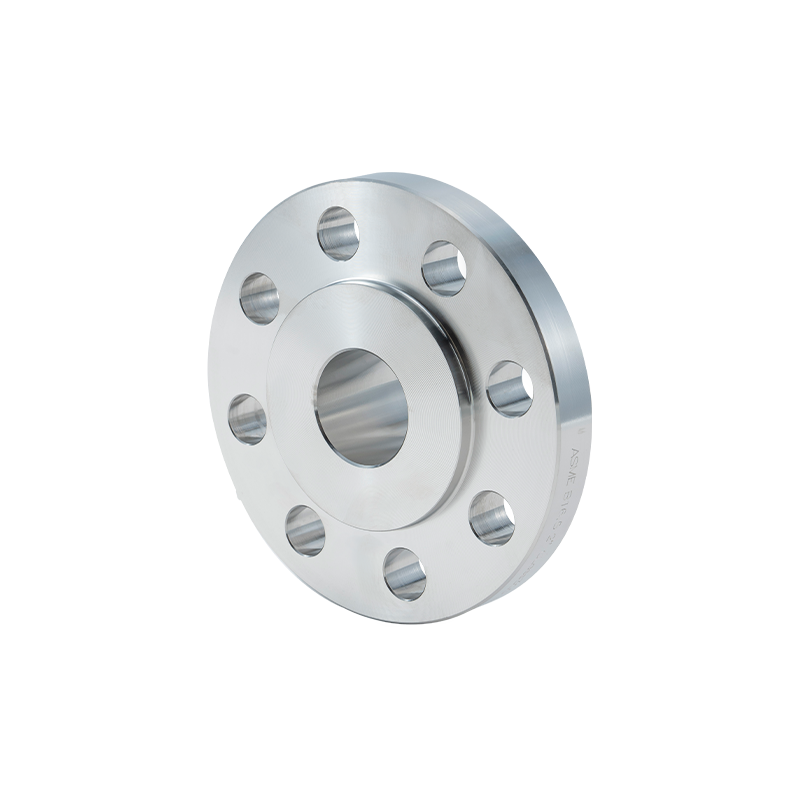
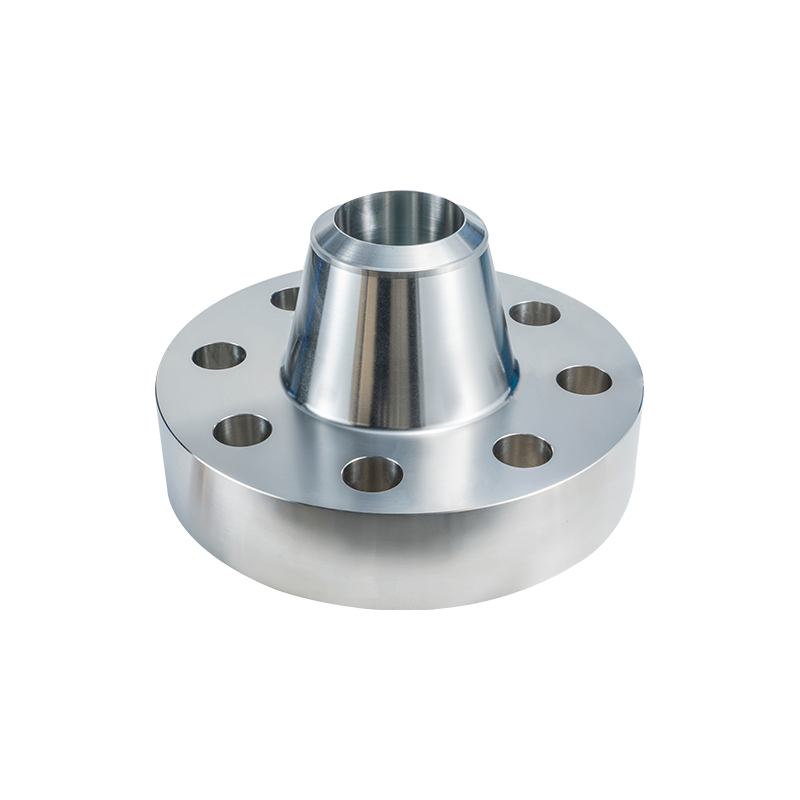
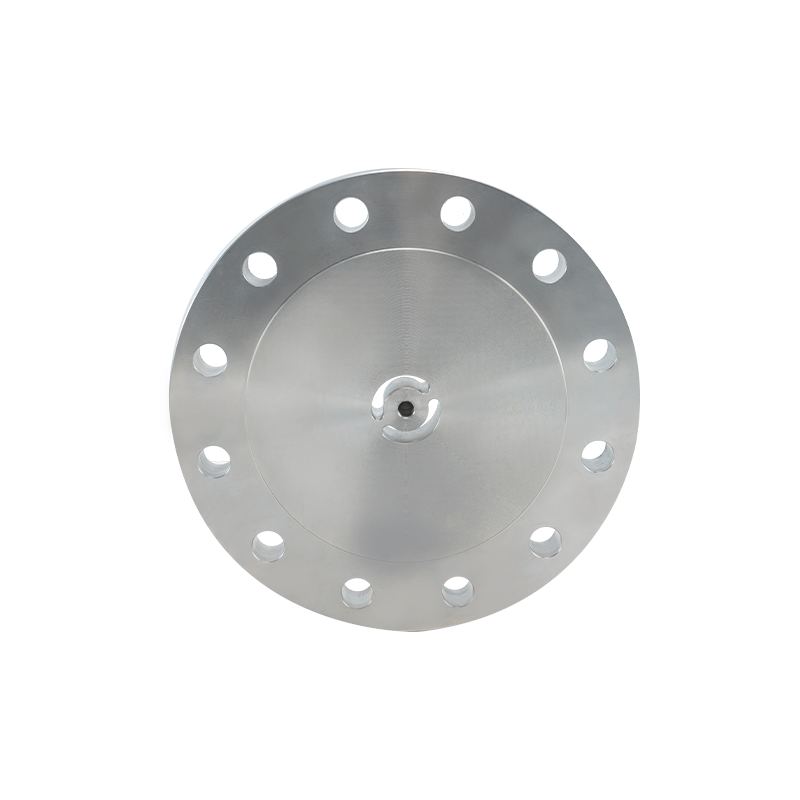
Select the flange configuration (weld neck, slip-on, blind, socket weld, or threaded) based on the piping system design and installation requirements. Weld neck flanges are preferred for high-pressure and high-temperature applications.
5
Specify face finish
Choose between raised face (RF), flat face (FF), or ring type joint (RTJ) based on the sealing requirements and gasket type. RTJ flanges provide the most reliable seal for high-pressure applications.
6
Verify standards compliance
Ensure the flange meets applicable standards (ASME, ASTM, EN, JIS) and any additional customer specifications or regulatory requirements.
When selecting duplex steel flanges, it is important to work with a qualified manufacturer who can provide material test reports, dimensional inspection reports, and certification of compliance with applicable standards.
07
Frequently Asked Questions
What is a duplex steel flange?
A duplex steel flange is a pipe flange manufactured from duplex stainless steel — a family of alloys with a two-phase austenite-ferrite microstructure that provides exceptional strength and corrosion resistance.
What are the common grades of duplex steel flanges?
Common grades include UNS S31803 (2205), UNS S32205 (enhanced 2205), UNS S32750 (2507 — super duplex), UNS S32760, and lean duplex grades such as UNS S32101 and S32304.
What are the advantages of duplex steel flanges?
Duplex steel flanges offer high strength (approximately twice the yield strength of 316L), excellent corrosion resistance, good weldability, and resistance to stress corrosion cracking in chloride environments.
What standards apply to duplex steel flanges?
Duplex steel flanges are manufactured to ASME B16.5, ASME B16.47, ASTM A182, EN 1092-1, JIS B2220, and other international standards.
What industries use duplex steel flanges?
Duplex steel flanges are used in oil and gas, chemical processing, marine engineering, power generation, desalination, and pulp and paper industries.
What is the difference between 2205 and 2507 duplex steel?
2205 is a standard duplex grade with good corrosion resistance and high strength. 2507 is a super duplex grade with higher alloy content, providing superior corrosion resistance and higher strength for more demanding applications.
 Previous