English
 中文简体
中文简体 Deutsch









 0
0

 0
0

 0
0


What Performance Benefits Do Alloy Steel Flanges Offer Over Carbon Steel?
Introduction to Steel Flange Materials and Industrial Context
In industrial piping systems, steel flange components are essential elements that provide reliable connections between pipelines, valves, and equipment. These components must balance mechanical performance, material properties, and long‑term reliability to meet stringent service requirements. Two prevalent material categories for flanges are carbon steel and alloy steel. While steel flange products made from carbon steel remain widely used due to their strength and affordability, alloy steel variants are increasingly specified where operating conditions demand enhanced mechanical properties and durability. Steel Flange products are manufactured and applied across multiple sectors including oil and gas, power generation, petrochemicals, and chemical processing. The material choice directly influences performance outcomes such as temperature tolerance, corrosion resistance, and lifespan under severe conditions.
Fundamental Material Differences Between Alloy Steel and Carbon Steel Flanges
The distinction between carbon steel and alloy steel flanges lies principally in their metallurgical composition. Carbon steel flanges are predominantly composed of iron with a controlled carbon content and minimal additional alloying elements. This simplicity yields reliable mechanical strength and weldability, making them suitable for general‑purpose systems under moderate temperature and pressure conditions. In contrast, alloy steel flanges incorporate elements such as chromium, molybdenum, and nickel, deliberately introduced to modify specific material behaviors. These alloying components enhance critical properties including high‑temperature strength, creep resistance, and improved oxidation behavior. The presence of chromium and molybdenum in alloy compositions strengthens grain boundaries and fosters carbide formations that resist thermal and mechanical degradation at elevated service environments. The result is a material that retains structural integrity under conditions where carbon steel would experience strength loss, accelerated oxidation, or increased brittleness. Such performance differentiation is grounded in established metallurgical science and reflected in standards governing industrial flange materials and classifications.
High‑Temperature Performance and Structural Integrity
A primary performance benefit of alloy steel flanges is their capacity to sustain mechanical integrity at elevated temperatures. Alloy steel materials are engineered to maintain yield strength and resist creep deformation well above the temperature thresholds where carbon steel begins to weaken significantly. This attribute is especially valuable in high‑pressure steam lines, power generation boilers, refineries, and industrial heat exchangers where continuous exposure to elevated temperatures is common. Carbon steel flanges, while mechanically robust at ambient to moderate temperatures, typically experience rapid reduction in tensile strength once service temperatures exceed design expectations. In contrast, alloys optimized with chromium and molybdenum additions demonstrate superior retention of mechanical stability, resisting oxidation and softening in demanding thermal environments. This performance advantage supports enhanced safety margins and long‑term reliability for critical infrastructure systems.
Corrosion and Oxidation Resistance in Harsh Environments
Another critical domain where alloy steel flanges outperform carbon steel is corrosion resistance. Service environments that involve exposure to moisture, chemicals, or oxidation‑promoting conditions present ongoing risks for component degradation. Carbon steel inherently lacks effective corrosion resistance and typically requires coatings or surface treatments to slow rust formation. These protective measures can provide temporary mitigation, but they do not alter the base material's susceptibility to chemical attack. In contrast, alloy steel flanges benefit from the presence of alloying elements such as chromium that form stable passive oxide layers on the surface, reducing the rate of rust formation and enhancing resistance to corrosive media. This improved resistance contributes to longer service life and reduced maintenance frequency in systems exposed to corrosive process fluids or aggressive environmental conditions. The superior corrosion behavior of alloy steel is a key performance benefit that justifies its use in sectors like petrochemical processing, offshore infrastructure, and heavy industrial installations.
Mechanical Strength, Wear Resistance, and Fatigue Behavior
Mechanical performance is a central consideration in steel flange selection, particularly in high‑pressure and cyclic load applications. Alloy steel flanges generally exhibit higher tensile and yield strength than their carbon steel counterparts, attributable to the strengthening influence of alloying elements and controlled heat treatment processes. This enhanced mechanical capability translates to better resistance to wear, abrasion, and fatigue. In piping systems subject to fluctuating pressures or frequent thermal cycles, alloy steel flanges maintain dimensional stability and structural integrity over extended service periods. Carbon steel flanges, while durable under standard operating conditions, can show accelerated wear and microstructural degradation when repeatedly stressed beyond moderate thresholds. Enhanced fatigue resistance in alloy steel contributes to lower long‑term maintenance costs and reduced risk of unscheduled downtime, which can be especially consequential in continuous process industries.
Service Life and Lifecycle Cost Considerations
Although the upfront material and processing costs of alloy steel flanges are typically higher than those of carbon steel, the lifecycle implications merit careful evaluation. The robustness of alloy steel flanges in resisting corrosion, temperature‑induced strength loss, and mechanical wear often yields longer service life with fewer replacements and interventions. In applications with demanding service conditions, the total cost of ownership for carbon steel solutions may increase due to more frequent maintenance, protective coatings, or early component failures. Alloy steel flanges, by virtue of their material advantages, can provide greater operational continuity and lower cumulative maintenance expenditure. This performance benefit aligns with engineering strategies that prioritize reliability and minimal lifecycle risk over simple initial cost savings.
Integration and Manufacturing Considerations for High‑Performance Flange Solutions
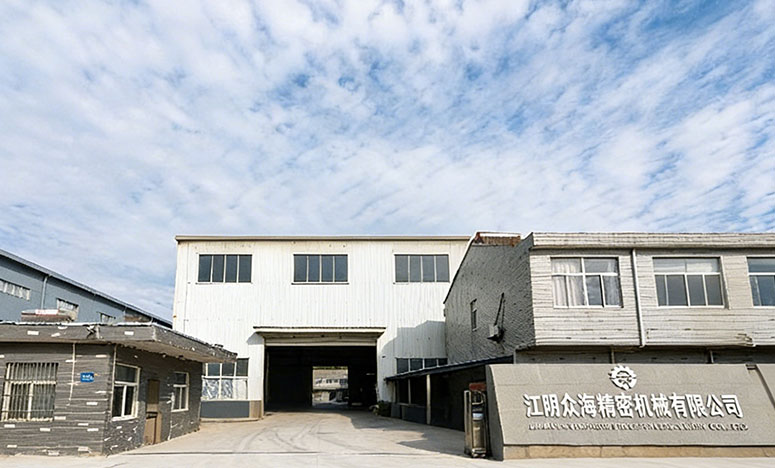
Selecting appropriate flange material requires not only understanding service requirements but also recognizing production capabilities and quality assurance standards. In this context, steel flange manufacturing excellence plays a pivotal role in realizing the performance benefits discussed. Jiangyin Zhonghai Precision Machinery is an ISO 9001–certified manufacturer with PED, TUV, and TS qualifications, specializing in precision flanges and forgings fabricated to rigorous standards including GB, ASME, ASTM, JIS, EN, and DIN. The company produces pipe flanges, forged flanges, and machined flanges according to precise engineering requirements, supporting fully customized, drawing‑based manufacturing. From small‑diameter components to large heavy‑load forgings, production capabilities include in‑house forging, heat treatment, CNC machining, and detailed inspection processes that ensure dimensional accuracy and mechanical performance consistent with high‑performance applications. By integrating advanced manufacturing practices with robust material selection, such as alloy steels, components achieve the performance outcomes that demanding systems require.
The company's comprehensive process—from raw‑material inspection to final testing and packaging—aligns with stringent industry expectations, ensuring that steel flange products manufactured for critical environments fully realize their performance potential. Whether addressing infrastructure exposed to corrosive media or systems subject to high thermomechanical stress, these manufacturing practices support confidence in long‑term reliability.
Practical Application Scenarios: When Alloy Steel Flanges Are Preferred
In engineering practice, the selection of alloy steel flanges is often driven by specific environmental challenges. Applications in petrochemical processing, high‑temperature steam networks, power generation plants, and heavy industry regularly expose components to thermal extremes and corrosive agents. In such contexts, the enhanced material properties of alloy steel—heat resistance, corrosion protection, and mechanical strength—provide tangible benefits that align with safety and performance requirements. Conversely, carbon steel flanges remain appropriate for general‑purpose systems where service conditions are moderate and corrosion exposure is limited. Understanding these application distinctions enables design engineers and system integrators to match flange material to operational demands, optimizing system reliability without unnecessary material overdesign.
Conclusion
The material choice for steel flange components has a defining impact on system performance, reliability, and lifecycle outcomes. Alloy steel flanges offer clear performance advantages over carbon steel in environments involving high temperatures, corrosive media, and demanding mechanical loads. Their enhanced corrosion resistance, elevated thermal stability, and superior fatigue behavior contribute to extended service life and reduced maintenance demands, especially in critical industrial applications. While carbon steel flanges remain a cost‑effective choice for standard applications, the performance benefits associated with alloy steel justify their selection in conditions where material limitations could compromise operational integrity. Integrating robust material science with precise manufacturing processes yields flange solutions that support both engineering requirements and long‑term industrial reliability.
Frequently Asked Questions
- What environments typically justify the use of alloy steel flanges instead of carbon steel?
Alloy steel flanges are preferred in high‑temperature, high‑pressure, and corrosive environments such as petrochemical processing, power generation, and industrial heat transfer applications.
- Are alloy steel flanges significantly more expensive than carbon steel flanges?
Upfront material costs for alloy steel flanges are generally higher, but their extended service life and reduced maintenance needs can offset this over time.
- How does corrosion resistance differ between alloy steel and carbon steel flanges?
Alloy steel flanges often include elements like chromium that form protective oxide layers, offering better resistance to corrosion than carbon steel, which typically requires coatings to protect against rust.
- Can carbon steel flanges be used in high‑pressure piping systems?
Yes, carbon steel flanges are suitable for many high‑pressure applications, but their performance can be limited by temperature and corrosive conditions compared with alloy steel options.