English
 中文简体
中文简体 Deutsch





Content
- 1 Introduction
- 2 What Are Super Duplex Stainless Steel Flanges?
- 3 Applications of Super Duplex Stainless Steel Flanges
- 4 Types of Super Duplex Stainless Steel Flanges
- 5 Super Duplex Stainless Steel Flange Specifications
- 6 How to Select the Right Super Duplex Stainless Steel Flange
- 7 Super Duplex Stainless Steel Flanges: Advantages and Disadvantages
- 8 Conclusion
Introduction
Super Duplex Stainless Steel Flanges are widely recognized for their superior strength, corrosion resistance, and durability, especially in highly demanding industrial environments. These flanges are essential components used to connect piping systems in various sectors, including the oil and gas industry, marine environments, and chemical processing. Their robust performance under extreme pressure and corrosive conditions makes them highly sought after in fields that require reliability and long-term serviceability.
Super Duplex Stainless Steel Flanges are an alloy of austenitic and ferritic stainless steel, offering exceptional mechanical properties, including enhanced resistance to corrosion, high tensile strength, and outstanding fatigue strength. These characteristics make them ideal for use in environments that experience high pressures, temperatures, and corrosive materials. The combination of both ferrite and austenite microstructures provides the material with a balanced mix of toughness and strength.
What Are Super Duplex Stainless Steel Flanges?
Definition and Characteristics
Super Duplex Stainless Steel Flanges are made from a unique alloy that blends both austenitic and ferritic stainless steels. The alloy typically contains 50-60% ferrite and 40-50% austenite, offering a combination of the best properties from both structures. These flanges are designed to withstand harsh environments, offering excellent resistance to pitting, crevice corrosion, and stress corrosion cracking. The typical materials used in these flanges include UNS S32750 and UNS S32760 grades, which are known for their superior corrosion resistance in seawater, acidic environments, and other harsh conditions.
Material Advantages
- Corrosion Resistance: Super Duplex Stainless Steel offers remarkable resistance to a variety of corrosive substances, including saltwater, acids, and chlorides, making it ideal for marine applications and industries dealing with aggressive chemicals.
- High Strength: The combination of ferrite and austenite provides the alloy with high tensile strength, making it suitable for high-pressure systems.
- Oxidation Resistance: The alloy is also resistant to oxidation at high temperatures, making it a popular choice for high-temperature applications such as power generation and chemical processing.
- Durability: These flanges are highly durable and designed for long-term use, even in challenging environments.
Common Applications
- Marine Industry: In the marine industry, Super Duplex Stainless Steel Flanges are used in offshore platforms, shipbuilding, and seawater pipelines, where resistance to saltwater corrosion is crucial.
- Oil and Gas Industry: These flanges are also used in offshore oil rigs, subsea pipelines, and gas transportation systems, where their resistance to high pressure and corrosive gases is necessary.
- Chemical Processing: Super Duplex Stainless Steel Flanges are used in chemical reactors, pipelines for corrosive chemicals, and storage tanks, as they provide excellent resistance to a variety of aggressive chemicals.
- Power Generation: In power plants, these flanges are used in high-pressure steam and water pipelines, where the material must withstand both high temperature and pressure conditions.
Applications of Super Duplex Stainless Steel Flanges
Super Duplex Stainless Steel Flanges are versatile components that find their place in numerous high-demand applications across various industries. Below are some of the primary sectors where these flanges are most commonly used:
Marine Industry
The marine industry is one of the key sectors that benefits from the high corrosion resistance of Super Duplex Stainless Steel Flanges. These flanges are used extensively in offshore platforms, pipelines for seawater transport, and shipbuilding. The unique ability of these flanges to withstand the harsh conditions of saltwater and marine environments makes them indispensable for long-lasting and reliable performance in marine applications.
Oil and Gas Industry
In the oil and gas sector, Super Duplex Stainless Steel Flanges are used in a variety of applications, including offshore pipelines, subsea systems, and gas transportation. The materials’ strength and corrosion resistance are particularly beneficial for handling high-pressure environments and the aggressive substances often encountered in the transportation of oil and gas.
Chemical Processing
The chemical processing industry often deals with corrosive substances, requiring materials that can resist degradation over time. Super Duplex Stainless Steel Flanges are widely used in chemical reactors, storage tanks, and pipelines, offering protection against a range of acids, bases, and other corrosive chemicals. Their durability reduces maintenance costs and extends the life of equipment in these industries.
Power Generation
In power generation facilities, especially those involved in steam and gas turbine power plants, Super Duplex Stainless Steel Flanges are used in high-pressure steam and water pipelines. Their ability to endure extreme temperatures and pressures makes them perfect for use in power plants, where reliability and durability are paramount.
Types of Super Duplex Stainless Steel Flanges
There are several types of Super Duplex Stainless Steel Flanges, each designed for specific applications and environments. Below are the most commonly used flange types:
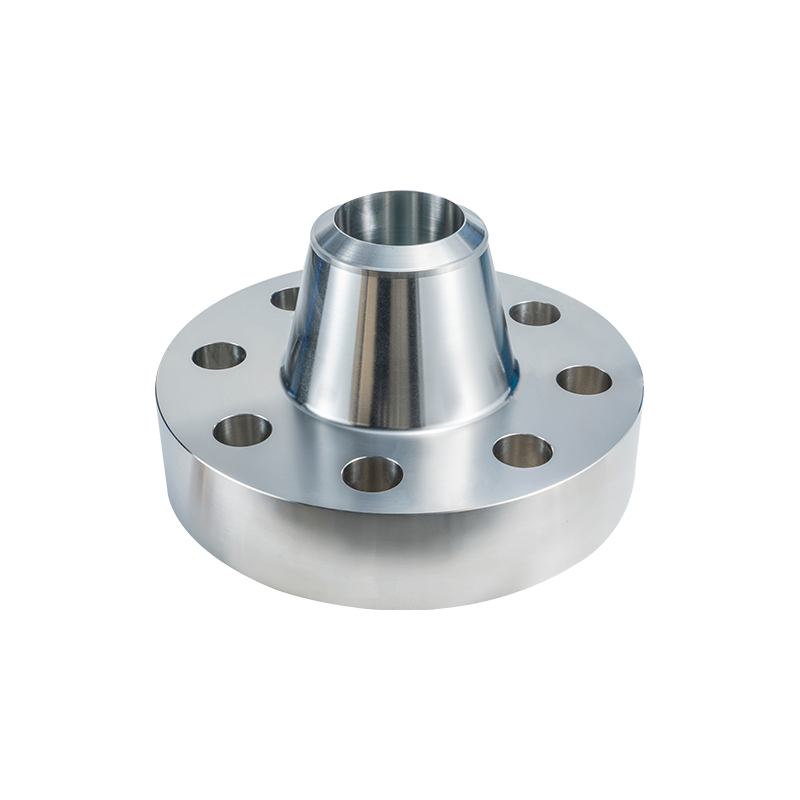
Weld Neck Flanges
Weld Neck Flanges are designed with a tapered neck that allows for a smooth and reliable weld. These flanges are highly preferred in high-pressure systems and applications that require strong, leak-proof connections. They are typically used in pipelines, pressure vessels, and heat exchangers.
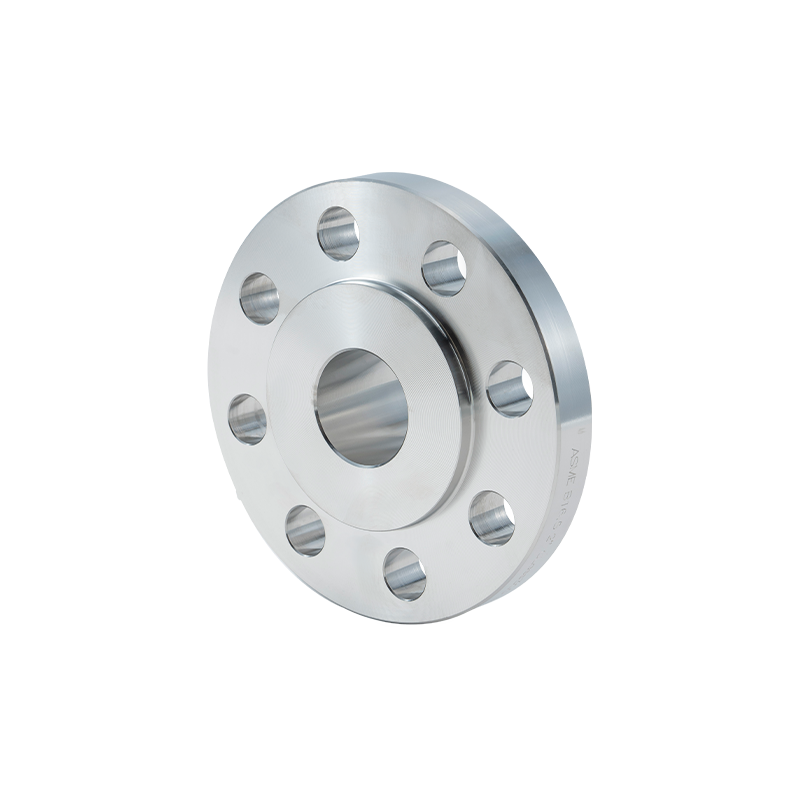
Slip-On Flanges
Slip-On Flanges are easier to install and are often used in systems where space constraints or ease of installation are key considerations. These flanges slip over the end of the pipe and are welded in place. They are often used in low-pressure applications or where the flange needs to be removed or replaced frequently.
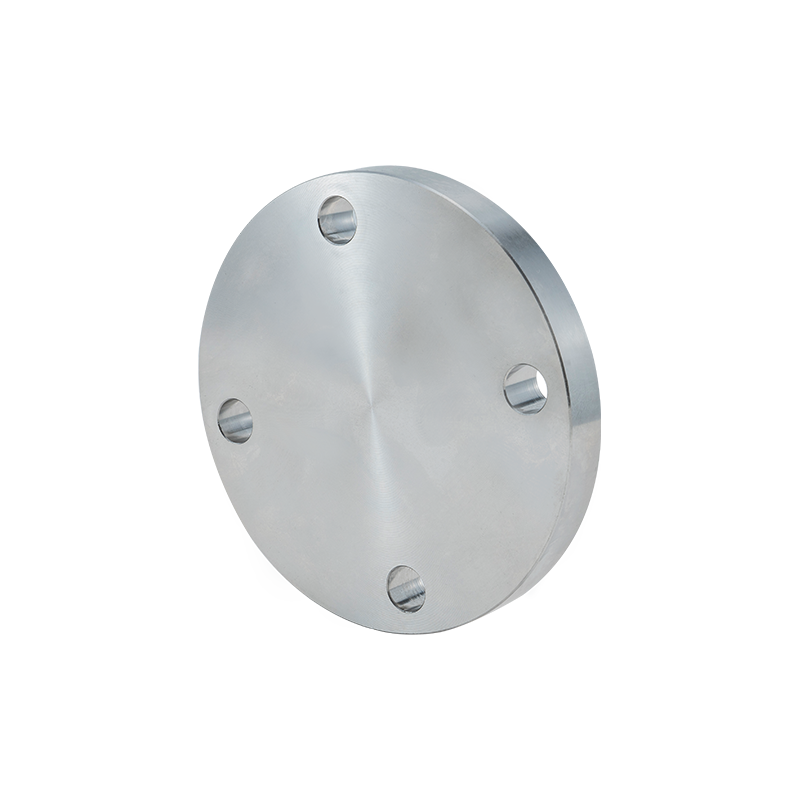
Blind Flanges
Blind Flanges are used to seal the ends of pipes or to close off pipeline systems. These flanges are solid and have no hole in the center, preventing flow through the pipeline. They are commonly used in maintenance, testing, and emergency shutdown situations.
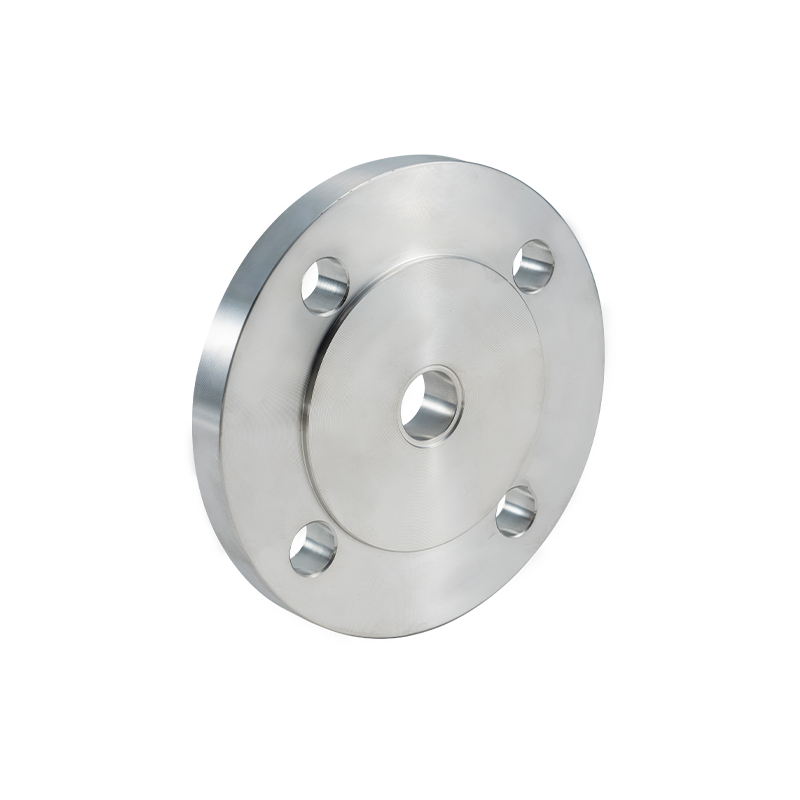
Socket Weld Flanges
Socket Weld Flanges are ideal for high-pressure systems. The pipe is inserted into the socket of the flange and welded, creating a very strong joint. These flanges are commonly used in smaller diameter pipelines and high-pressure applications.
Threaded Flanges
Threaded Flanges are designed to be screwed into place, eliminating the need for welding. This type of flange is often used in systems where welding may not be an option due to material or other constraints. Threaded flanges are ideal for temporary installations or systems that require disassembly.
Super Duplex Stainless Steel Flange Specifications
When choosing a Super Duplex Stainless Steel Flange, it is crucial to consider the specifications to ensure it meets the requirements of the application. Below are key factors to consider:
Dimensions and Specifications
Flanges come in a range of sizes, pressure ratings, and materials. The choice of dimensions depends on the system’s requirements, including the pipe size and pressure level. Typical flange dimensions range from ½ inch to 24 inches, with the most common pressure ratings being 150, 300, and 600 lbs.
Common Standards
Some of the most widely accepted standards for Super Duplex Stainless Steel Flanges include:
- ASME B16.5: This standard covers flanges and flanged fittings in sizes 1/2 inch to 24 inches.
- ISO 7005: This standard provides guidelines for flanges in international applications.
These standards ensure that the flanges meet certain performance benchmarks, including strength, pressure resistance, and compatibility with other components in a pipeline system.
Material Grades and Certifications
The most commonly used material grades for Super Duplex Stainless Steel Flanges are:
- UNS S32750: A Super Duplex grade known for its superior resistance to pitting and crevice corrosion.
- UNS S32760: Offers even higher resistance to stress corrosion cracking and is used in environments that demand the highest performance.
| Flange Type | Dimensions (inches) | Pressure Rating (Class) | Material Grade |
|---|---|---|---|
| Weld Neck Flange | 1/2" to 24" | 150, 300, 600 | UNS S32750, UNS S32760 |
| Slip-On Flange | 1/2" to 20" | 150, 300, 600 | UNS S32750, UNS S32760 |
| Blind Flange | 1/2" to 24" | 150, 300, 600 | UNS S32750, UNS S32760 |
| Socket Weld Flange | 1/2" to 8" | 150, 300, 600 | UNS S32750, UNS S32760 |
How to Select the Right Super Duplex Stainless Steel Flange
Selecting the appropriate Super Duplex Stainless Steel Flange depends on several factors. Here are key considerations:
Choosing the Right Flange Type
The flange type should be selected based on the application’s requirements. For high-pressure systems, Weld Neck Flanges and Socket Weld Flanges are ideal due to their strong and secure welds. For applications where the flange may need to be removed or replaced, Slip-On Flanges are more suitable. Blind Flanges are commonly used for sealing pipe ends.
Material Considerations
When selecting the material, consider the corrosion resistance required for the specific environment. UNS S32750 is excellent for seawater and chemical environments, while UNS S32760 is more resistant to stress corrosion cracking and is used in harsher applications.
Pressure Rating and Temperature Considerations
Flanges must be selected based on the system’s pressure and temperature. Higher pressure systems require flanges with a higher pressure rating. The material grade should also be chosen based on the expected temperature conditions.
Super Duplex Stainless Steel Flanges: Advantages and Disadvantages
Advantages
- High Strength and Corrosion Resistance: Super Duplex Stainless Steel Flanges offer exceptional resistance to corrosion, including resistance to chlorides, acids, and seawater, making them perfect for use in the marine and chemical industries.
- Reliability and Longevity: These flanges provide enhanced performance and durability, leading to longer service life and less frequent replacements.
- High Temperature and High Pressure Resistance: These flanges perform exceptionally well under extreme pressure and temperature conditions, ensuring reliable connections in critical applications.
Disadvantages
- Higher Costs: Due to the complexity of manufacturing and the materials used, Super Duplex Stainless Steel Flanges tend to be more expensive than regular stainless steel flanges.
- High Machining and Welding Requirements: The materials’ strength can make machining and welding more challenging, requiring specialized skills and equipment.
Conclusion
Super Duplex Stainless Steel Flanges are a vital component in a wide range of industrial applications that require high strength, corrosion resistance, and durability. Their versatility and exceptional performance make them an indispensable choice in industries such as marine, oil and gas, chemical processing, and power generation. When selecting Super Duplex Stainless Steel Flanges, it’s essential to consider factors like flange type, material grade, pressure rating, and supplier selection.
 Previous