English
 中文简体
中文简体 Deutsch





Content
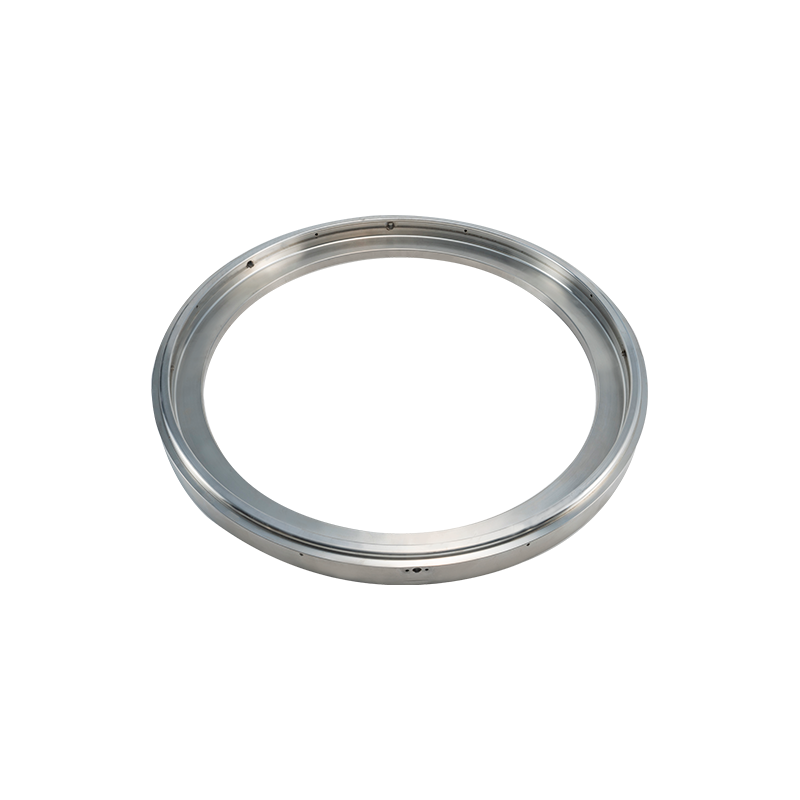
A Large Pipe Flange is an essential component used to connect pipe systems, and it plays a significant role in industries such as oil, gas, chemicals, power generation, and shipping. Flanges ensure the tight connection and pressure control of pipelines. Large pipe flanges must withstand extremely high pressure while maintaining a seal for a long period. Therefore, choosing the right flange requires considering its type, material, installation, and sealing properties. This article will thoroughly explain the different types of flanges, their materials, how to install them, and how to maintain their sealing efficiency, ensuring safe and stable operation of pipe systems.
2. Types of Large Pipe Flanges (Large Pipe Flange)
The types of flanges vary depending on the connection needs and working conditions of the pipeline system. Below are the main types of large pipe flanges:
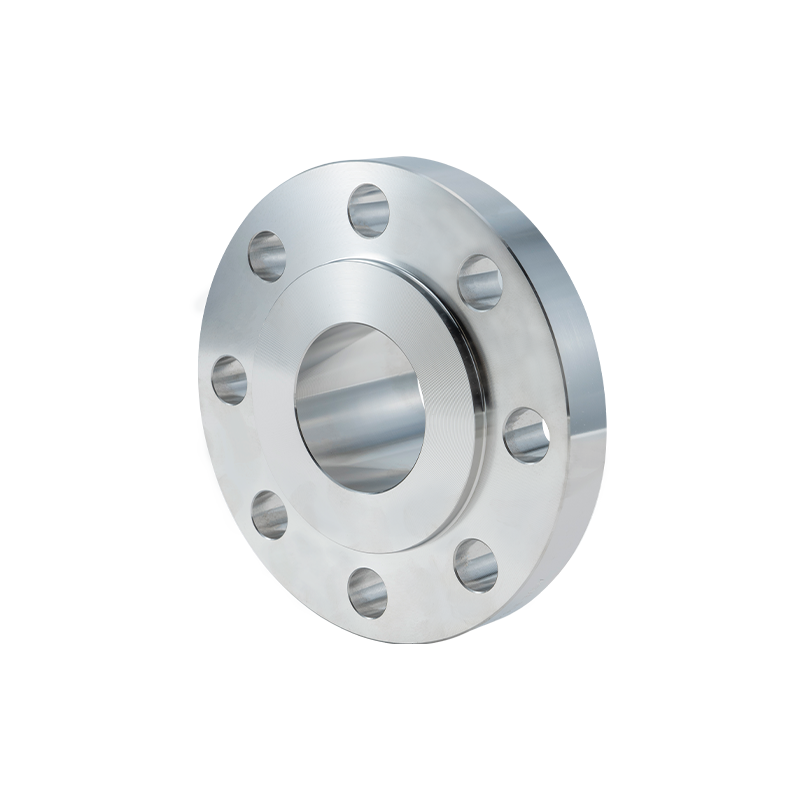
2.1 Weld Neck Flange
A Weld Neck Flange has a long neck that extends from the flange body and is welded directly to the pipe. It is commonly used for high-pressure and high-temperature applications due to its strength and stability.
Advantages:
- Suitable for high-pressure and high-temperature pipeline systems.
- Provides good sealing and strength.
- Can withstand large pipe pressures and shocks.
Common Applications:
Used in oil, gas, and high-pressure systems in industrial applications.
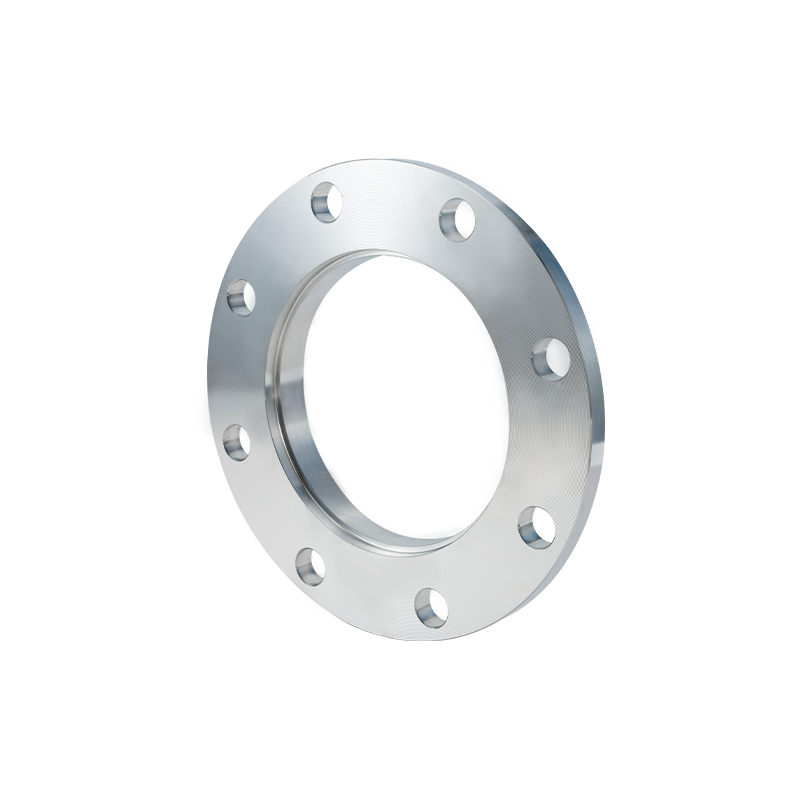
2.2 Slip-On Flange
The Slip-On Flange has a larger outer diameter than the pipe, and it is slipped over the pipe and welded in place. This type is commonly used in systems where installation is simple and cost-effective.
Advantages:
- Simple installation, saving time and cost.
- Suitable for medium and low-pressure pipeline systems.
Common Applications:
Used in water supply, drainage, and low-pressure pipeline systems.
2.3 Threaded Flange
A Threaded Flange has internal threads that match the external threads on the pipe, allowing for easy connection without welding. This type of flange is often used in areas where welding is difficult.
Advantages:
- Easy to install, suitable for systems where welding is not feasible.
- Flexible, easy to disassemble and maintain.
Common Applications:
Used in small-diameter, low-pressure systems.
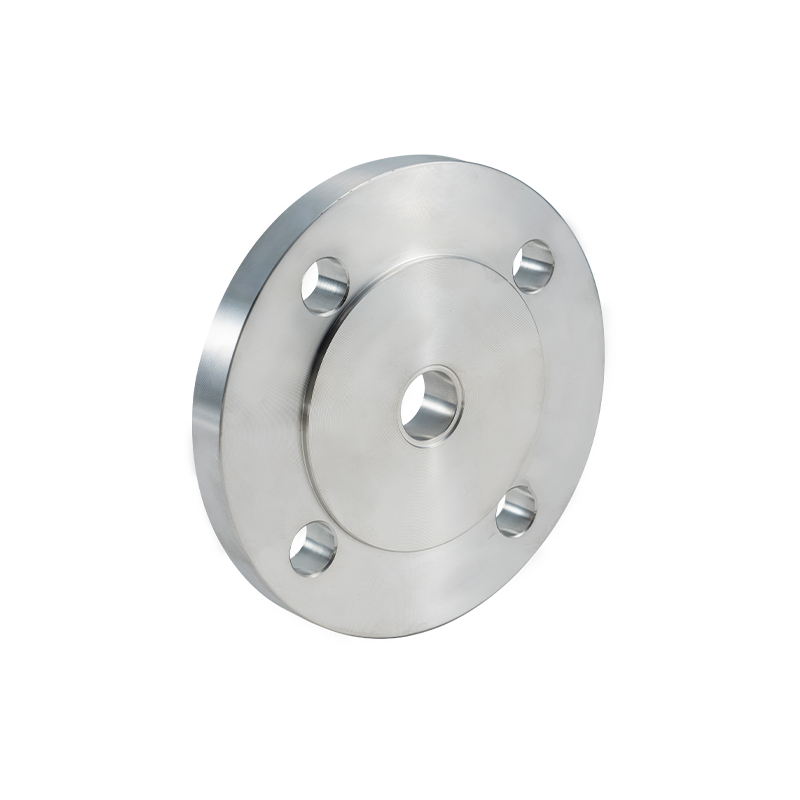
2.4 Blind Flange
A Blind Flange is used to seal the end of a pipeline. It has no internal hole and serves as a method to close off the pipe temporarily or permanently.
Advantages:
- Completely seals the pipeline to prevent leakage.
- Used at the terminal or for pipeline closure during maintenance.
Common Applications:
Used in the end or closed section of pipelines.
2.5 Bolt Flange
A Bolt Flange is used to connect two flanges together with bolts. It is often used in pipeline systems that require frequent disassembly and inspection. This type of flange makes maintenance and repair much easier.
Advantages:
- Easy to disassemble, maintain, and replace.
- Suitable for systems with high sealing requirements.
Common Applications:
Used in pipelines where frequent maintenance or replacement is required.
3. Materials of Large Pipe Flanges
The material of the flange plays a crucial role in ensuring that it operates safely and efficiently under specific working conditions. Here are the most common materials used for large pipe flanges:
3.1 Carbon Steel Flange
Carbon steel flanges are the most commonly used type and are suitable for medium-pressure and temperature pipeline systems. They are cost-effective and have good mechanical properties, making them ideal for many industrial applications.
Advantages:
- Cost-effective and widely available.
- Good strength and durability.
Common Applications:
Used in water treatment, drainage, and other moderate pressure systems.
3.2 Stainless Steel Flange
Stainless steel flanges offer superior corrosion resistance, making them ideal for use in industries dealing with corrosive chemicals or seawater. They also perform well in high-temperature environments.
Advantages:
- Excellent corrosion resistance, suitable for aggressive environments.
- High-temperature resistance, suitable for high-temperature pipeline systems.
Common Applications:
Used in chemical, petrochemical, and pharmaceutical industries.
3.3 Alloy Steel Flange
Alloy steel flanges are composed of various elements that provide enhanced strength and toughness, allowing them to withstand extremely high pressure and temperature conditions.
Advantages:
- Ability to withstand extreme conditions, high strength and toughness.
- Suitable for high-pressure and high-temperature applications.
Common Applications:
Used in steel manufacturing, metallurgy, and other high-demand industries.
3.4 Plastic Flange
Plastic flanges are ideal for low-pressure systems that handle corrosive materials. These flanges are light, easy to install, and have excellent corrosion resistance but are not suitable for high-pressure or high-temperature applications.
Advantages:
- Good corrosion resistance, suitable for chemical industries.
- Lightweight and easy to install.
Common Applications:
Used in low-pressure systems in the chemical, food, and pharmaceutical industries.
3.5 Titanium Flange
Titanium flanges offer excellent corrosion resistance, high-temperature performance, and oxidation resistance, making them suitable for the most demanding applications in harsh environments.
Advantages:
- Strong resistance to corrosion, ideal for seawater and aggressive chemicals.
- Excellent high-temperature performance and oxidation resistance.
Common Applications:
Used in marine, aerospace, and chemical industries.
4. Installation of Large Pipe Flanges
The proper installation of large pipe flanges is critical for ensuring the safety and longevity of the pipeline system. The following are essential steps and considerations when installing a large pipe flange:
4.1 Preparation Work
Before installing a flange, the pipe and flange surfaces must be clean and flat. Proper preparation is essential for ensuring a good seal and a strong connection.
- Cleaning the Pipe Ends: Make sure the pipe ends are free of grease, rust, dirt, and debris, which can affect the seal.
- Checking the Flange Surface: Inspect the flange surface for any defects to ensure it connects smoothly with the pipe ends.
- Choosing the Right Gaskets and Bolts: Select the appropriate gaskets and bolts based on the working conditions to ensure a tight, leak-free connection.
4.2 Installation Steps
Once the preparation work is complete, the following steps should be followed for installing the flange:
- Aligning the Flange and Pipe: Align the flange and pipe ends, ensuring that the holes match properly for bolt placement.
- Placing the Gasket: Place the gasket between the flange and pipe to ensure a proper seal.
- Tightening the Bolts: Tighten the bolts in a star pattern to ensure even pressure distribution across the flange.
- Checking the Seal: After installation, perform a pressure test to check for any leaks at the flange connection.
4.3 Common Issues
Common issues during flange installation include:
- Uneven Flange Surfaces: If the flange surface is uneven, it may result in an imperfect seal and leakage.
- Over-tightening the Flange: Over-tightening can damage the gasket or pipe, leading to a failed seal.
5. Sealing of Large Pipe Flanges
The sealing of large pipe flanges is critical to ensure the pipeline system remains leak-proof and operates efficiently. Below are important factors related to flange sealing:
5.1 Gasket Selection
Choosing the right gasket material is essential for ensuring the seal's integrity. Common gasket materials include rubber, metal, and composite gaskets, each suited for specific working conditions:
- Rubber Gaskets: Suitable for low-temperature, low-pressure environments.
- Metal Gaskets: Ideal for high-temperature and high-pressure environments.
- Composite Gaskets: A combination of metal and rubber materials, offering strength and flexibility for various applications.
5.2 The Role of Sealing
Flange sealing not only prevents leaks but also contributes to the overall system's safety and stability. A well-sealed flange ensures that no fluid or gas escapes, maintaining the system's pressure and preventing accidents. Flange sealing becomes particularly important in high-pressure pipelines, where even small leaks could lead to severe consequences.
5.3 Sealing Techniques
To ensure a proper seal, the following sealing techniques should be observed:
- Proper Tightening: Bolts should be tightened in a sequential pattern to ensure even pressure on the gasket.
- Avoid Over-compressing: Over-tightening can damage the gasket, reducing its sealing efficiency.
- Maintaining Cleanliness: Ensure the pipe and flange surfaces are free from contaminants that could impair the gasket’s performance.
6. Applications of Large Pipe Flanges
Large pipe flanges are widely used in various industries, especially where high pressure, high temperature, or special corrosion resistance is required. The following are some of the key industries where large pipe flanges are essential:
6.1 Oil and Gas Industry
In the oil and gas industry, flanges must withstand extreme pressure and corrosive materials. For offshore platforms or deep-sea drilling, flanges with exceptional corrosion resistance and pressure handling capabilities are required.
6.2 Chemical Industry
In the chemical industry, where pipelines often carry corrosive fluids, choosing the right material (such as stainless steel or plastic) is vital for maintaining system integrity and safety.
6.3 Power Industry
In power generation, especially in thermal and nuclear power plants, flanges must handle high temperatures and pressures. Materials like alloy steel, carbon steel, and stainless steel are commonly used in these applications.
6.4 Marine and Offshore Engineering
In marine and offshore environments, flanges must withstand harsh conditions like seawater corrosion. Titanium and stainless steel flanges are frequently used for their superior corrosion resistance in marine applications.
7. Maintenance and Inspection
Maintaining and inspecting large pipe flanges is crucial for the long-term reliability of pipeline systems. Over time, factors like pressure, temperature, and environmental conditions can cause wear and corrosion, which may lead to leaks or failures. Regular inspection and maintenance can help identify potential issues before they become critical.
7.1 Checking the Flange Connection
Regularly check the tightness of the flange bolts and ensure there is no leakage. If bolts are loose or damaged, replace them promptly.
7.2 Checking the Gasket
Over time, gaskets may wear out or become damaged. Regularly inspect the gasket for signs of wear or deformation, and replace it as needed.
7.3 Checking for Corrosion and Wear
Inspect flanges for signs of corrosion, especially at the flange surfaces, welding points, and bolt connections. Promptly address corrosion issues to prevent leaks.
7.4 Testing Sealing Efficiency
Perform pressure tests to check for leaks at flange connections. This is especially important during initial installation or after maintenance work.
8. Conclusion
Large pipe flanges play a crucial role in ensuring the safety and stability of modern industrial pipeline systems. Choosing the right flange type and material, properly installing it, and maintaining its sealing integrity are key to preventing leaks and ensuring system performance. With the development of new materials and sealing technologies, the performance of large pipe flanges continues to improve, offering enhanced reliability and efficiency for critical pipeline systems.
 Previous