English
 中文简体
中文简体 Deutsch








 0
0

 0
0

 0
0


Critical Forging Process Parameters for ANSI Standard Flanges
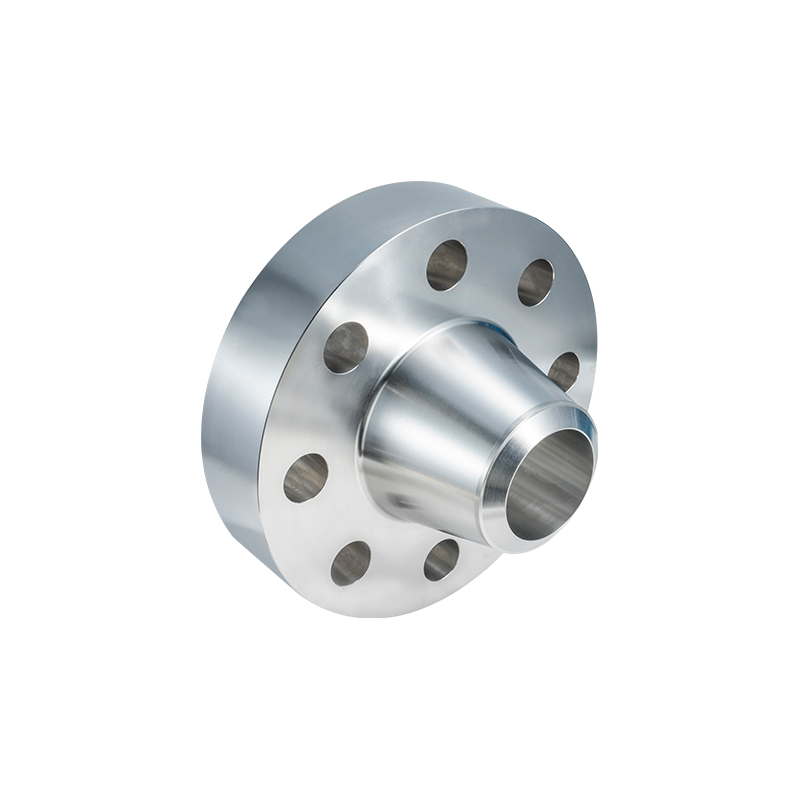
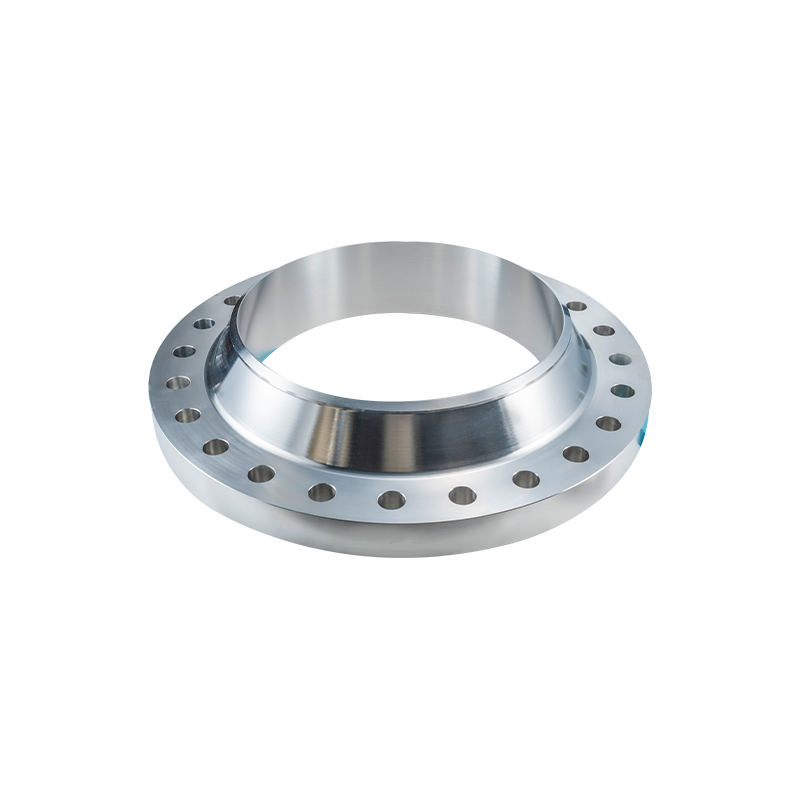
In the world of industrial piping, an ANSI Standard Flange is only as reliable as the forging process behind it. While dimensions are standardized, the internal integrity and mechanical performance are dictated by precise metallurgical control.
Key Forging Variables for Superior Performance
To meet the rigorous requirements of standards like ASME/ANSI B16.5, manufacturers must control several key variables during production. Jiangyin Zhonghai Precision Machinery Co., Ltd., an ISO 9001–certified specialist, leverages its complete in-house production lines to master these parameters:
1. Forging Ratio and Grain Flow
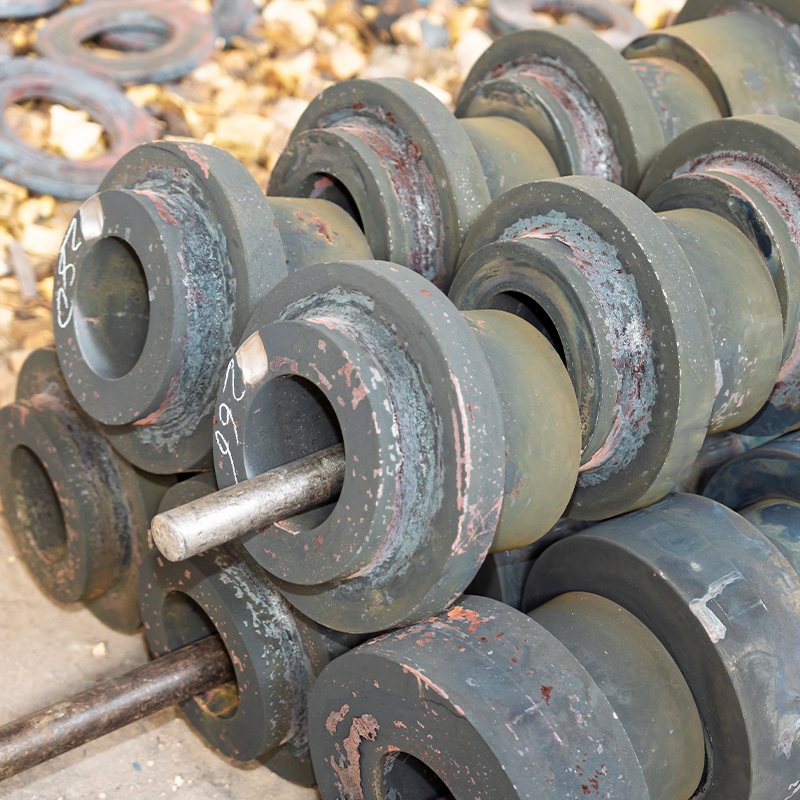
The forging ratio represents the reduction in cross-sectional area during the forging process. A high forging ratio ensures that the "cast structure" is broken down and replaced by a dense, wrought structure.
By controlling the metal flow, Jiangyin Zhonghai Precision Machinery Co., Ltd. ensures that the internal grain lines follow the contour of the flange, significantly increasing resistance to fatigue and high-pressure impacts.
2. Heating and Terminating Temperatures
Forging must occur within a specific "temperature window" (typically between 1050°C and 1200°C for carbon steel).
- Overheating: Can lead to coarse grains, making the metal brittle.
- Underheating: Causes internal stress and potential cracking.
With integrated heating and forging lines, we ensure every ANSI Standard Flanges component maintains optimal ductility and strength.
3. Post-Forge Heat Treatment
Normalization, quenching, and tempering are vital to relieving internal stresses. Jiangyin Zhonghai Precision Machinery Co., Ltd. utilizes precise heat treatment cycles to ensure that the final product meets the hardness and yield strength requirements specified by ASTM standards.
Technical Comparison: Forged Flanges vs. Plate-Cut Flanges
| Parameter | Forged Flanges (Zhonghai Precision) | Plate-Cut Flanges |
| Internal Structure | Continuous, directional grain flow | Interrupted, linear grain flow |
| Mechanical Strength | Superior impact and fatigue resistance | Lower toughness; prone to delamination |
| Pressure Rating | Ideal for high pressure (Class 600+) | Generally limited to low-pressure use |
| Material Density | Very high; no porosity | Moderate; potential for internal inclusions |
| Customization | Supports complex shapes up to 10 tons | Limited to simple flat geometries |
Frequently Asked Questions (FAQ)
1. How does Jiangyin Zhonghai Precision Machinery Co., Ltd. ensure the quality of ANSI Standard Flanges?
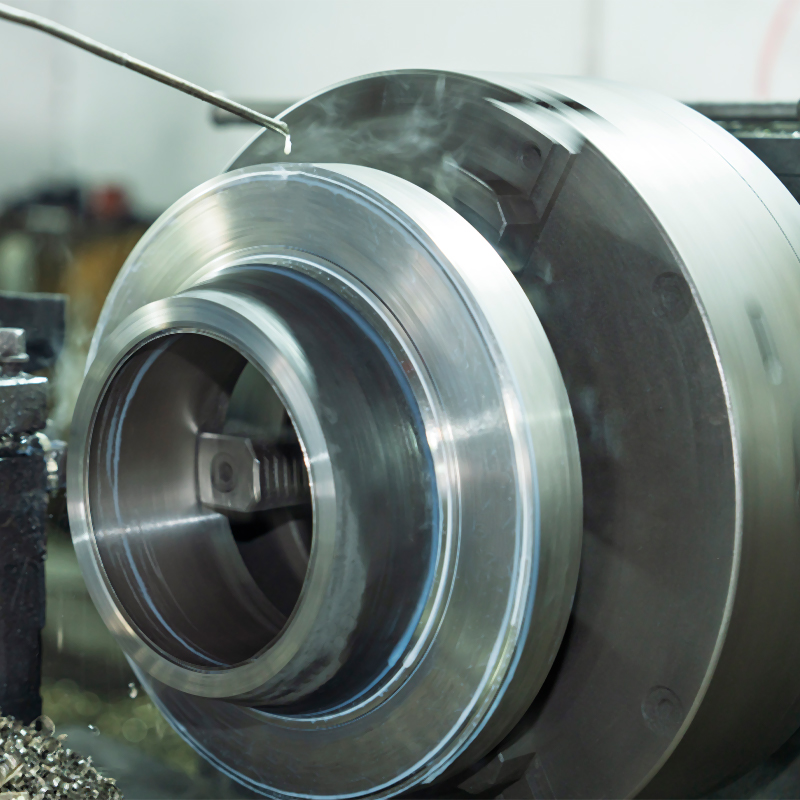
As a manufacturer with PED, TUV, and TS qualifications, Jiangyin Zhonghai Precision Machinery Co., Ltd. maintains a strict quality management system. We control the entire process in-house—from initial forging and heating to CNC turning and final inspection—ensuring that every flange, whether 1/2'' or 60'', adheres to the highest global standards.
2. Can Jiangyin Zhonghai Precision Machinery Co., Ltd. manufacture flanges based on custom drawings?
Yes. While we are experts in GB, ASME, ASTM, JIS, EN, and DIN standards, Jiangyin Zhonghai Precision Machinery Co., Ltd. specializes in fully customized, drawing-based manufacturing. Our facility supports maximum dimensions of 4 meters and single-piece weights of up to 10 tons, providing solutions for both standard and non-standard heavy-duty applications.
3. What machining capabilities does Jiangyin Zhonghai Precision Machinery Co., Ltd. offer for large-scale forgings?
We offer a complete suite of precision services, including CNC turning and drilling. This allows Jiangyin Zhonghai Precision Machinery Co., Ltd. to handle not only volume production of standard flanges but also complex machined parts that require high dimensional accuracy, even for our largest components measuring up to 4 meters in diameter.