English
 中文简体
中文简体 Deutsch





Content
- 1 Understanding Steel Flange Technology
- 2 High-Search Long-Tail Keywords in Context
- 3 Comparative Analysis: Steel Flange Types
- 4 Engineering Considerations for Selection and Integration
- 5 Application-Specific Insights
- 6 Quality Assurance and Procurement Standards
- 7 Frequently Asked Questions (FAQ)
- 7.1 1. What is the difference between a weld neck flange and a slip-on flange?
- 7.2 2. How do I determine the correct pressure class for my application?
- 7.3 3. What are the requirements for stainless steel flanges in corrosive servicA stainlessess steel flange for chemical processing applications requires careful material selection based on the specific corrosive media. Type 316L stainless steel with low carbon content provides resistance to intergranular corrosion after welding and is suitable for most chemical environments. For applications involving high chloride concentrations or seawater, Type 317L or duplex stainless steels offer enhanced pitting resistance. For highly reducing acids such as sulfuric or hydrochloric acid, specialty alloys such as Hastelloy or Inconel may be required. Procurement specifications should include requirements for solution annealing after forming and passivation to restore corrosion resistance.
- 7.4 4. How do I verify that a custom steel flange meets dimensional standards?
- 8 References
In industrial piping systems, flanges serve as the critical connection points that join pipes, valves, and equipment while enabling maintenance access. A Steel Flange provides the mechanical strength, pressure containment, and leak-proof sealing required for safe operation across industries, including oil and gas, chemical processing, and power generation. This article delivers a technical guide for engineers and procurement specialists on flange selection, material specifications, and quality verification.
Understanding Steel Flange Technology
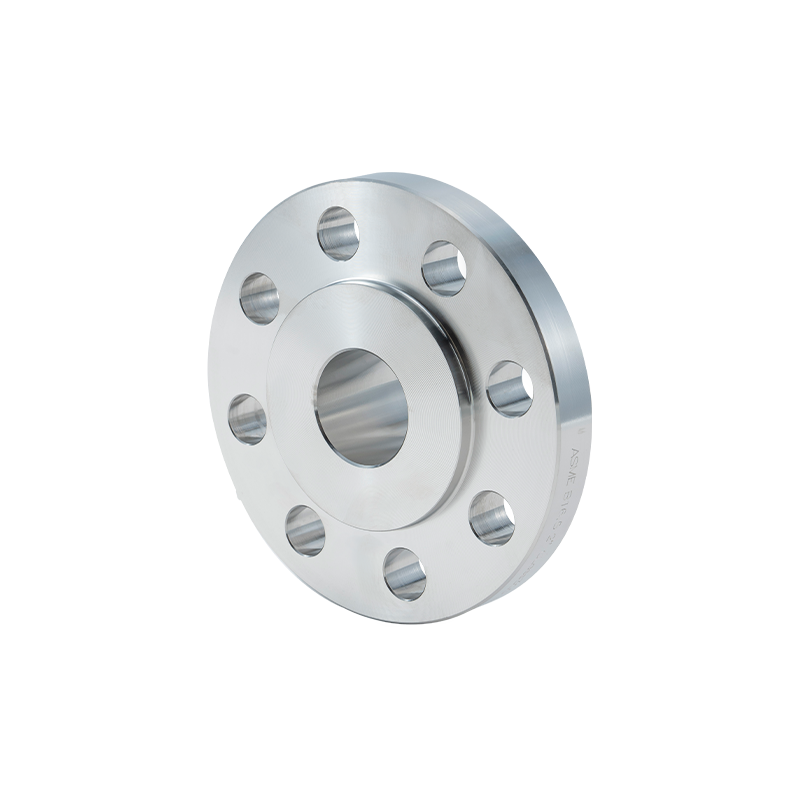
A Steel Flange is a forged or cast ring that connects to pipe ends through welding or threading, allowing bolted connections to other components. The flange face provides the sealing surface where a gasket compresses to prevent leakage. Engineers select flanges based on pressure-temperature ratings, material compatibility with the conveyed media, and dimensional standards that ensure interchangeability across manufacturers.
Key Technical Parameters for Engineers
When evaluating flange components, engineers must examine several critical parameters that determine system integrity and longevity.
- Pressure Class: Ranges from Class 150 to Class 2500, defining the maximum allowable working pressure at specified temperatures.
- Material Grade: Carbon steel (ASTM A105), stainless steel (ASTM A182 F304/F316), or alloy steel (ASTM A182 F11/F22) for high-temperature service.
- Flange Type: Weld neck, slip-on, socket weld, threaded, or blind configuration,s each suit specific application requirements.
- Face Type: Raised face (RF), flat face (FF), or ring-type joint (RTJ) for different gasket sealing requirements.
- Bore Size: Nominal pipe size (NPS) from ½ inch to 48 inches or larger for custom applications.
The selection of a Steel Flange directly impacts system safety, with improperly rated flanges representing a significant failure risk in pressurized systems.
High-Search Long-Tail Keywords in Context
To address specific user intents, we focus on five high-search long-tail keywords that represent common procurement and engineering scenariosStainless
- SS steel flange for chemical processing: Corrosion-resistant flanges manufactured from ASTM A182 F316L stainless steel for handling aggressive chemical media. Carbon steel weld neck flange: A high-integrity flange type with a tapered hub that reduces stress concentration, specified for critical high-pressure applications.
- high-pressure steel flange Class 2500: Designed for extreme pressure service up to 6,000 psi, commonly used in refinery and power plant applications.
- steel flange dimensions ANSI B16.5: Flanges manufactured to American National Standards Institute dimensional standards, ensuring interchangeability.
- custom steel flange manufacturer: Engineering firms that provide non-standard sizes, special materials, or unique configurations for specialized applications.
Comparative Analysis: Steel Flange Types
The selection of flange type significantly affects installation cost, maintenance accessibility, and long-term reliability. Each flange type offers distinct advantages for specific applications. The following comparison highlights the differences among common flange configurations.
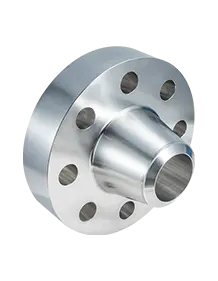
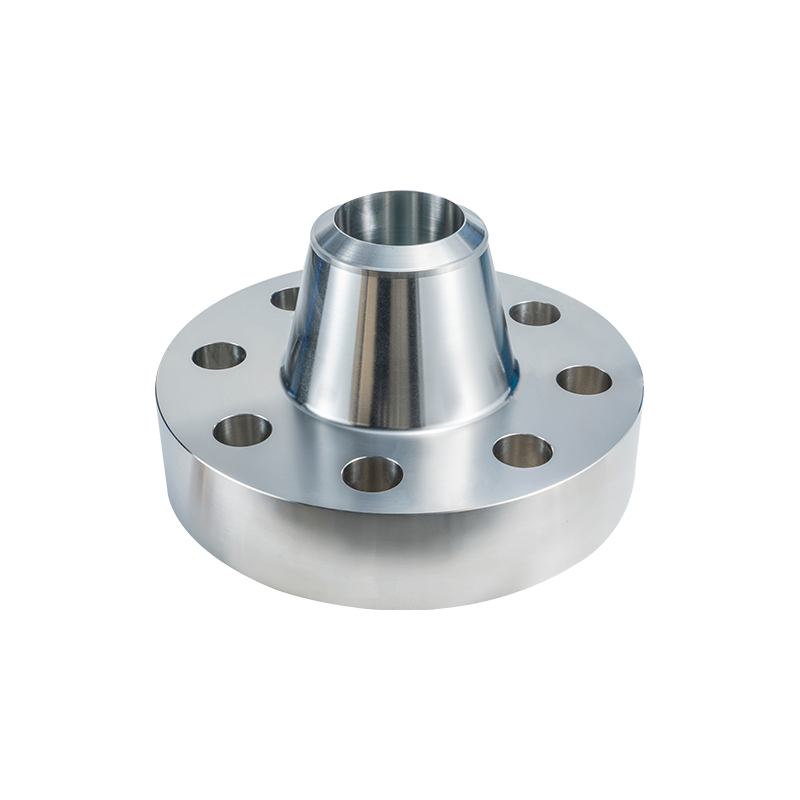
For critical high-pressure applications requiring maximum integrity, a carbon steel weld neck flange represents the preferred choice. The table below outlines key distinctions.
| Flange Type | Installation Method | Strength Characteristics | Cost Factor | Typical Applications |
|---|---|---|---|---|
| Weld Neck | Butt weld to pipe. The highest | The tapered hub reduces stress | Moderate to high | High pressure, critical service, high temperature |
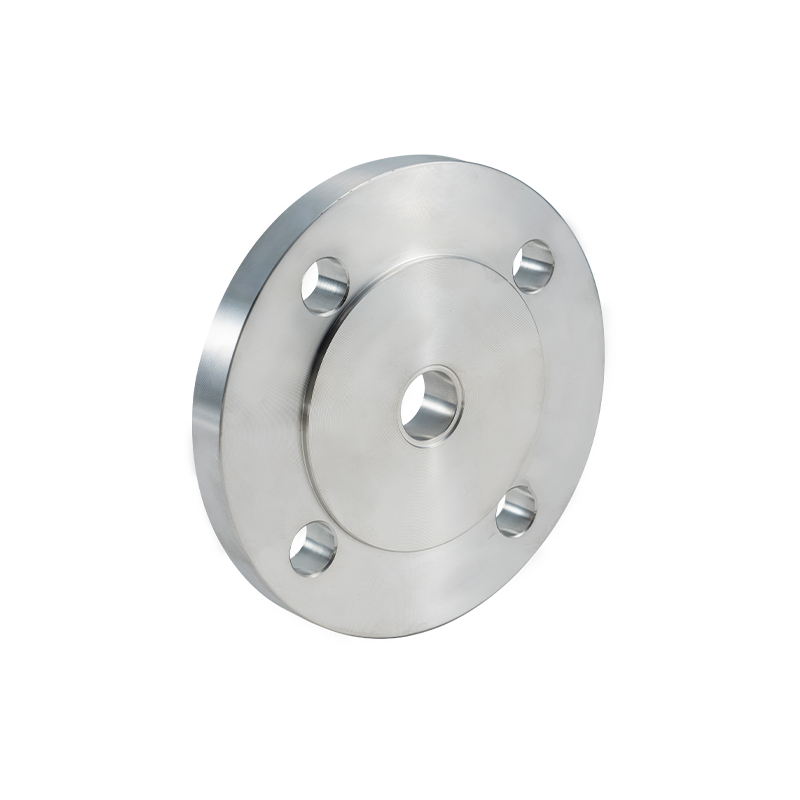
| Slip-On | Fillet weld inside and outside | Moderate, no tapered hub | Low to moderate | Low to moderate pressure, general service |
| Socket Weld | Fillet weld at one end | Good for small diameters | Moderate | Small bore piping (NPS 2 and under) |
| Threaded | Screwed connection | Moderate, no welding required | Low to moderate | Non-critical, low-pressure, galvanized piping |
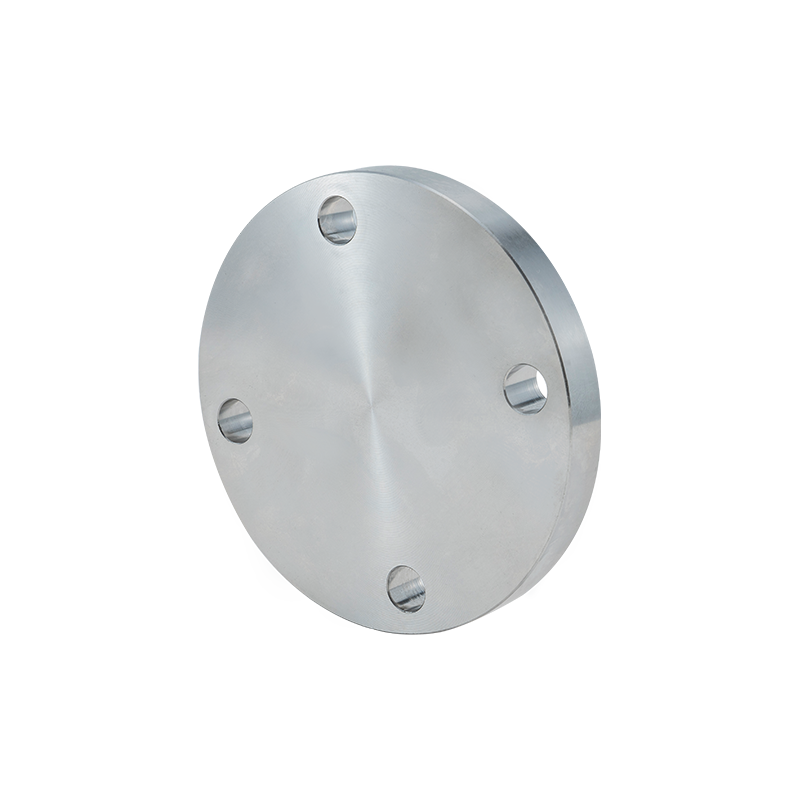
| Blind | Bolted closure | Closure flange, no pipe attachment | Varies by size | Pipe termination, inspection access |
Engineering Considerations for Selection and Integration
Selecting the right Steel Flange requires a systematic evaluation of operating conditions, material compatibility, and dimensional standards. Working with an experienced custom steel flange manufacturer ensures proper specification for non-standard applications.
Material Selection and Corrosion Resistance
For corrosive service environments, a stainless steel flange for chemical processing provides essential corrosion resistance. Type 304 stainless steel suits mild chemical environments and food processing applications. Type 316 stainless steel with molybdenum addition offers enhanced resistance to chlorides and acidic conditions, making it the standard for marine environments and chemical plants. For high-temperature applications exceeding 800°F, chrome-moly alloy steel flanges maintain strength and resist creep deformation.
Dimensional Standards and Interchangeability
Compliance with dimensional standards ensures flange interchangeability across suppliers. Steel flange dimensions ANSI B16.5 govern flanges up to NPS 24 for Classes 150 through 2500, specifying bolt circle diameters, bolt hole sizes, and flange thicknesses. ASME B16.47 covers larger diameter flanges from NPS 26 to NPS 60. When specifying replacement flanges, engineers must verify both the pressure class and dimensional standard to ensure proper fit with existing bolting and gaskets.
Application-Specific Insights
Different industries impose unique demands on flange components. In refinery and petrochemical applications, high-pressure steel flange Class 2500 components must withstand extreme pressures and temperatures while resisting hydrogen embrittlement and sulfide stress cracking. For nuclear power applications, flanges require additional quality assurance documentation, including material traceability and non-destructive examination reports. When sourcing from a custom steel flange manufacturer, facility managers can specify special bore sizes, facing finishes, or non-standard pressure classes to match existing equipment requirements.
The carbon steel weld neck flange remains the industry standard for critical service due to its superior structural characteristics. The tapered hub distributes stress more evenly than other flange types, reducing the risk of fatigue failure in cyclic service conditions such as pressure cycling or thermal expansion.
Quality Assurance and Procurement Standards
For industrial procurement, verifying compliance with recognized standards ensures consistent quality and safety. Reputable manufacturers adhere to ASME, ASTM, and MSS-SP standards. Key procurement documents should include:
- Material test reports (MTR) with heat number traceability to ASTM specifications.
- Positive material identification (PMI) verification for alloy and stainless steel flanges.
- Dimensional inspection reports confirming compliance with ASME B16.5 or B16.47.
- Heat treatment records for flanges requiring post-weld heat treatment or normalization.
- Non-destructive examination report,s including dye penetrant or magnetic particle inspection.
Partnering with an established custom steel flange manufacturer provides access to engineering support, material certifications, and documented quality systems essential for critical industrial applications.
Frequently Asked Questions (FAQ)
1. What is the difference between a weld neck flange and a slip-on flange?
A carbon steel weld neck flange features a tapered hub that transitions from the flange ring to the pipe wall, providing gradual stress distribution and superior fatigue resistance. This design makes weld neck flanges suitable for high-pressure, high-temperature, and cyclic service conditions. A slip-on flange slides over the pipe end and requires fillet welds both inside and outside the hub. Slip-on flanges cost less but offer lower strength and are typically used for low to moderate pressure applications where stress conditions are less severe. For critical applications, engineers universally specify weld neck flanges.
2. How do I determine the correct pressure class for my application?
To determine the appropriate Steel Flange pressure class, you must consider both operating pressure and temperature. ASME B16.5 provides pressure-temperature ratings for each material ggradeup showing maximum allowable working pressure at specified temperatures. Select a pressure class where the flange rating exceeds your maximum operating pressure at the maximum operating temperature. Include a safety factor for transient conditions such as startup, shutdown, or pressure spikes. For example, Class 150 carbon steel flanges are rated for 285 psi at 100°F but only 150 psi at 600°F. Always verify ratings for your specific material grade.
3. What are the requirements for stainless steel flanges in corrosive servicA stainlessess steel flange for chemical processing applications requires careful material selection based on the specific corrosive media. Type 316L stainless steel with low carbon content provides resistance to intergranular corrosion after welding and is suitable for most chemical environments. For applications involving high chloride concentrations or seawater, Type 317L or duplex stainless steels offer enhanced pitting resistance. For highly reducing acids such as sulfuric or hydrochloric acid, specialty alloys such as Hastelloy or Inconel may be required. Procurement specifications should include requirements for solution annealing after forming and passivation to restore corrosion resistance.
4. How do I verify that a custom steel flange meets dimensional standards?
When ordering from a custom steel flange manufacturer, you should specify that all dimensions conform to ASME B16.5 or B16.47 as applicable, unless non-standard dimensions are intentionally specified. Request a dimensional inspection report for each flange size and pressure class. Critical dimensions to verify include flange outside diameter, bolt circle diameter, number and diameter of bolt holes, flange thickness, and hub dimensions for weld neck flanges. For replacement flanges, physically measuring existing flange dimensions before ordering ensures compatibility with existing piping and bolting.
References
- American Society of Mechanical Engineers. ASME B16.5: Pipe Flanges and Flanged Fittings, 2020 Edition.
- American Society of Mechanical Engineers. ASME B16.47: Large Diameter Steel Flanges, 2020 Edition.
- American Society for Testing and Materials. ASTM A105/A105M: Standard Specification for Carbon Steel Forgings for Piping Applications.
- American Society for Testing and Materials. ASTM A182/A182M: Standard Specification for Forged or Rolled Alloy and Stainless Steel Pipe Flanges.
- Manufacturers Standardization Society. MSS SP-44: Steel Pipeline Flanges, 2021 Edition.
- Pressure Equipment Directive 2014/68/EU: Technical Requirements for Pressure Equipment, European Union, 2014.
 Previous