English
 中文简体
中文简体 Deutsch








 0
0

 0
0

 0
0


How to Prevent Gasket Leakage in Plate Flange Connections?
Introduction to Steel Plate Flange and Its Importance in Piping Systems
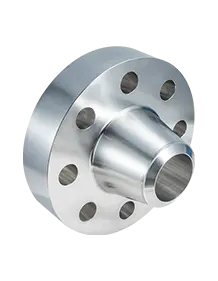
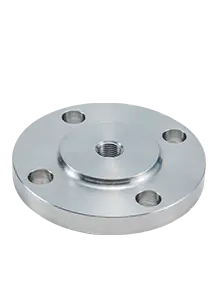
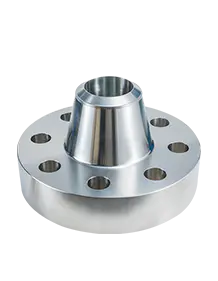
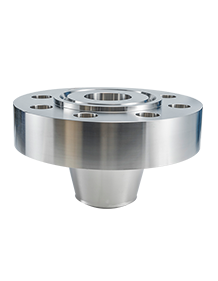
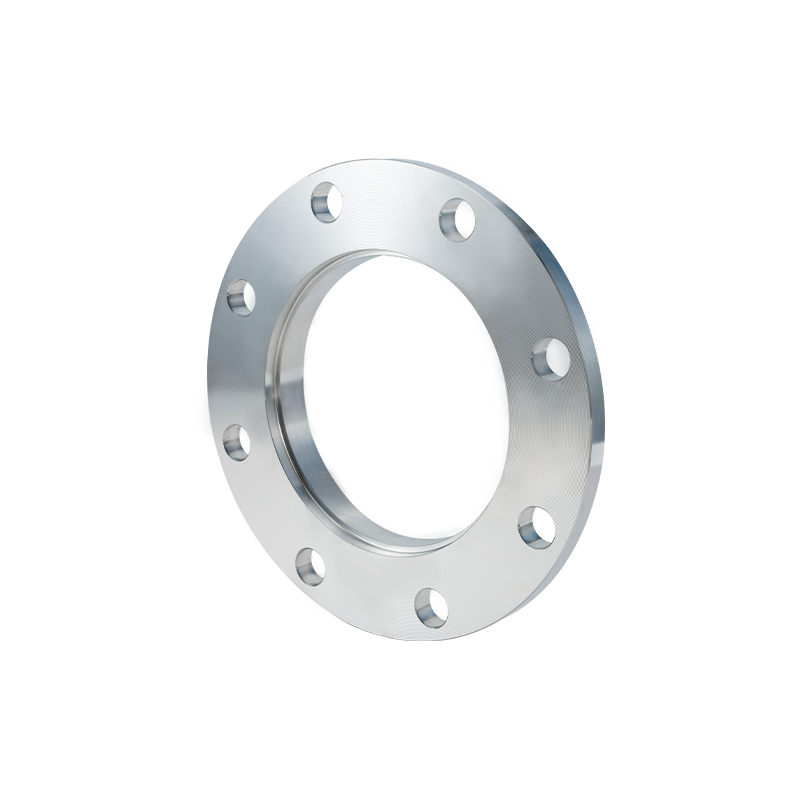
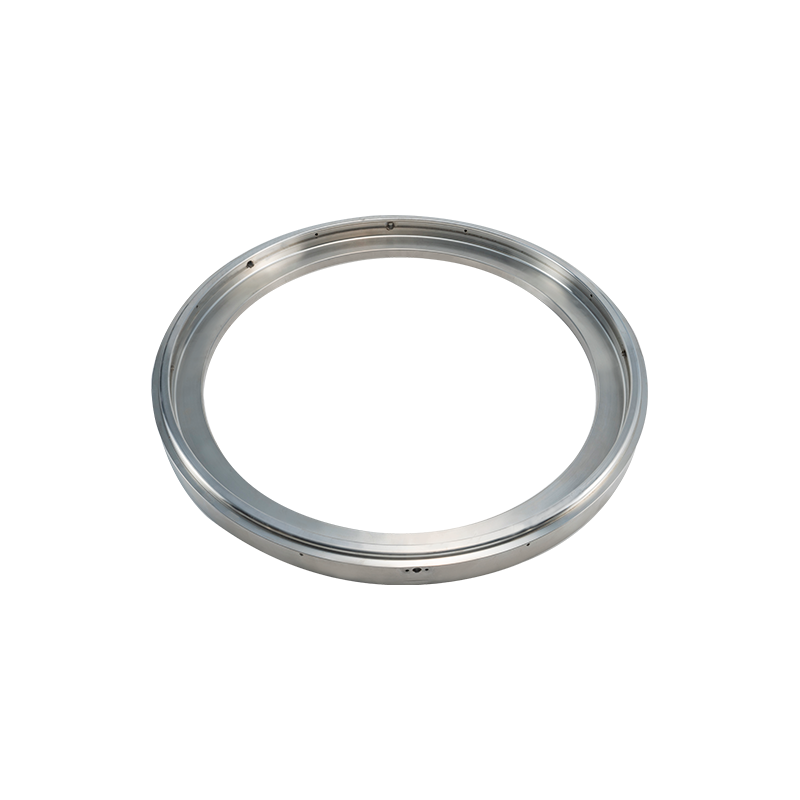
Steel Plate Flange is one of the most reliable and versatile connection components utilized in modern piping systems. Its primary role is to provide a secure interface between pipeline sections or between pipes and equipment, ensuring pressure containment and fluid integrity. Unlike ordinary plate-cut alternatives, a forged Steel Plate Flange features enhanced internal grain structure and mechanical strength, offering superior resistance to high-pressure and high-temperature environments. These flanges are widely adopted in municipal water systems, HVAC networks, industrial machinery, and energy pipelines due to their robustness and precision engineering.
Proper flange selection, installation, and maintenance are critical for preventing leakage issues, particularly at gasket interfaces. A poorly executed flange connection can result in operational interruptions, environmental hazards, or costly maintenance interventions. Steel Plate Flange is specifically engineered to minimize these risks through precise machining, controlled metallurgy, and standard-compliant design. By understanding the underlying causes of leakage and implementing structured prevention measures, engineers and technical managers can ensure reliable long-term system performance.
Common Causes of Gasket Leakage in Plate Flange Connections
Gasket leakage in Steel Plate Flange assemblies can occur due to a variety of mechanical, operational, and material-related factors. Understanding these causes is essential for designing effective prevention strategies. Common reasons include misalignment of flange faces, uneven bolt tension, gasket selection errors, surface imperfections, and thermal or pressure cycling. Misalignment between flange faces creates uneven load distribution on the gasket, reducing its sealing efficiency and potentially causing localized stress points. Similarly, improper torque during bolt tightening can lead to insufficient compression, causing the gasket to fail under operational pressure.
In addition, material incompatibility between the gasket and the pipeline fluid or environmental conditions may accelerate degradation, particularly for aggressive chemical media. Surface imperfections on the flange face, such as roughness, scratches, or waviness, can compromise sealing contact and lead to leakage. Repeated thermal expansion or contraction also introduces cyclic stresses on the gasket, increasing the likelihood of seal failure. By proactively addressing these factors, engineers can significantly reduce the risk of leakage and maintain system reliability.
Material and Surface Considerations for Preventing Leakage
One of the key advantages of using Steel Plate Flange is its enhanced material density and metallurgical integrity. Compared to standard plate-cut flanges, forged flanges exhibit superior grain alignment, reducing the risk of microscopic deformation that could compromise sealing performance. Selecting the appropriate flange material is critical for preventing gasket failure. Carbon steels, stainless steels, and alloy variants are available depending on the fluid type, temperature, and corrosive environment. For example, stainless steel flanges offer superior corrosion resistance in water treatment and chemical applications, while carbon steel flanges are suitable for general utility pipelines with moderate pressure.
Surface finish is equally critical in ensuring effective gasket sealing. Precision CNC machining ensures that flange faces meet strict flatness and roughness specifications, allowing for optimal contact with the gasket. Standard facing types such as flat face (FF) and raised face (RF) are commonly employed, each designed to suit specific operational conditions. By controlling surface roughness within recommended ranges, engineers can enhance gasket compression and reduce leakage risks. Steel Plate Flange faces are also treated with anti-rust coatings or electro-galvanized layers to prevent corrosion-induced surface degradation, which could otherwise compromise the sealing interface over time.
Proper Installation Practices for Plate Flanges
Effective installation practices are fundamental to preventing leakage in Steel Plate Flange connections. Proper alignment of flange faces is critical. Misaligned flanges can produce uneven bolt loads and stress concentrations on the gasket. Alignment can be achieved using temporary guides or welding pins during assembly. Bolt torque must be applied in a star or cross pattern to ensure even compression across the gasket, avoiding over-tightening that may crush the gasket or under-tightening that can create gaps.
Installation also involves selecting the correct gasket type for the application. Soft gaskets such as PTFE, rubber, or graphite sheets are often used for low-to-medium pressure systems, while metal or spiral-wound gaskets are suitable for high-pressure and high-temperature environments. Proper gasket size, thickness, and material compatibility must be verified against operational parameters. Additionally, flange faces should be clean and free from debris, oil, or residues that could interfere with gasket sealing. By following structured installation procedures, leakage risks can be significantly minimized.
Maintenance Strategies for Long-Term Sealing Performance
Even with high-quality Steel Plate Flange components, regular maintenance is necessary to sustain gasket integrity and prevent leakage over time. Routine inspection of flange bolts and gaskets is recommended, particularly in high-temperature, high-pressure, or chemically aggressive environments. Bolt torque should be periodically checked and adjusted to compensate for relaxation or thermal cycling. Visual inspection of gaskets can identify early signs of wear, cracking, or compression set, allowing for timely replacement before leakage occurs.
Corrosion protection of flange surfaces is equally important. Protective coatings, such as anti-rust oil or electro-galvanized layers, should be maintained and reapplied as necessary. Ultrasonic testing and other non-destructive methods can be used to detect subsurface flaws in the flange or bolt assemblies that may contribute to sealing failures. By integrating systematic maintenance practices, operational downtime due to leakage can be minimized, and the service life of both the flanges and gaskets can be extended.
Role of Manufacturer Expertise in Leakage Prevention
Partnering with a reliable manufacturer is a critical factor in preventing gasket leakage in plate flange connections. Steel Plate Flange quality is heavily dependent on forging, machining, and testing standards. Jiangyin Zhonghai Precision Machinery is an ISO 9001–certified manufacturer with PED / TUV / TS qualifications, specializing in precision flanges and forgings. They produce Steel Plate Flange components with in-house forging, heat treatment, CNC machining, and comprehensive inspection processes. By controlling the entire manufacturing cycle, from raw material selection to final surface finishing, quality consistency is ensured, reducing the risk of leakage in installed systems.
The company's multi-standard expertise enables flanges to meet ASME, DIN, JIS, EN, and GB specifications. Heavy-scale customization allows for large-diameter components and unique designs, ensuring proper fit and sealing even in challenging applications. Their technical teams collaborate with clients to select optimal materials, flange types, and surface finishes based on application requirements. Leveraging such expertise enhances the reliability of gasket sealing and overall system integrity.
Technical Specifications and Selection Guidelines
Selecting the correct Steel Plate Flange requires careful consideration of standards, size, pressure ratings, and materials. Below is an overview of technical specifications commonly referenced in industrial applications:
| Attribute | Specification |
|---|---|
| Standards | ASME B16.5, EN 1092-1 Type 01, DIN 2573/2576, JIS B2220, GB/T 9119 |
| Size Range | 1/2" – 60" (DN15 – DN1500), custom sizes up to DN4000 |
| Pressure Ratings | Class 150; PN6, PN10, PN16, PN25, PN40; 5K, 10K, 16K |
| Materials | Carbon Steel: A105, S235JR, C22.8; Stainless Steel: 304/L, 316/L; Alloy Steel |
| Manufacturing | Die Forging, Free Forging, Ring Rolling + CNC Machining |
| Facing Types | Flat Face (FF), Raised Face (RF) |
| Surface Treatment | Anti-rust oil, painting, electro-galvanized, HDG |
| Testing Capability | Hardness, tensile, impact, ultrasonic testing (UT) |
When selecting flanges, engineers should match the material grade to the pipeline fluid, consider pressure and temperature conditions, and ensure the facing type aligns with the gasket design. Proper specification adherence reduces operational risks and enhances sealing reliability.
Applications of Plate Flanges in Industrial Systems
Steel Plate Flange is deployed across a broad range of industries due to its adaptability and performance. Common applications include:
- Municipal Water Works: Flanges connect pipelines in urban water supply networks and wastewater treatment plants, ensuring leak-free operation under varying pressure conditions.
- HVAC Systems: Industrial cooling water loops and low-pressure steam piping rely on robust flange connections for thermal stability and long-term performance.
- Light Industrial Machinery: Food processing, papermaking, and packaging equipment use flanges to maintain hygienic and pressure-compliant interfaces.
- Power & Energy: Auxiliary pipelines, storage tank connections, and non-critical pressure systems require precise flanges for safe and reliable operation.
- Environmental Engineering: Flanges are used in exhaust gas treatment, dust collection, and desulfurization pipelines to prevent leakage and maintain operational efficiency.
These applications highlight the importance of proper flange design, installation, and maintenance to achieve consistent sealing performance.
Best Practices for Gasket Leakage Prevention
Several best practices can improve gasket reliability in plate flange connections:
- Flange Alignment: Use temporary guides or pins to ensure precise alignment before bolt tightening.
- Bolt Torque Management: Apply torque in a cross/star pattern to achieve even gasket compression.
- Gasket Selection: Choose gasket materials and types based on fluid compatibility, pressure, and temperature requirements.
- Surface Preparation: Ensure flange faces are clean, smooth, and free of debris to optimize gasket sealing.
- Regular Inspection: Periodically check bolt torque, gasket integrity, and surface condition to detect early signs of wear or stress.
- Quality Components: Use Steel Plate Flange components manufactured with precision forging, CNC machining, and strict adherence to standards.
By combining careful design, high-quality materials, and structured installation procedures, engineers can achieve zero-leakage performance in demanding industrial environments.
Conclusion
Preventing gasket leakage in plate flange connections requires a combination of high-quality materials, precise manufacturing, proper installation, and ongoing maintenance. Steel Plate Flange components, such as those produced by Jiangyin Zhonghai Precision Machinery, provide enhanced internal structure, superior surface finish, and compliance with global standards, all of which contribute to long-term sealing reliability. Understanding the causes of leakage, selecting the correct materials and gaskets, and implementing structured maintenance practices are essential steps to achieve operational safety and performance in industrial piping systems.
FAQ
- Q: What types of gaskets are recommended for Steel Plate Flange connections? A: Soft gaskets (PTFE, rubber, graphite) for low-to-medium pressure systems; metal or spiral-wound gaskets for high-pressure and high-temperature applications.
- Q: How often should flange bolt torque be checked? A: Regular inspection is recommended, particularly in high-pressure or thermal cycling applications. Bolt torque should be adjusted as necessary to maintain even gasket compression.
- Q: Can Steel Plate Flange be customized for large-diameter pipelines? A: Yes. Jiangyin Zhonghai Precision Machinery provides custom flanges up to 4 meters in diameter and single-piece weights of 10 tons, ensuring proper fit and sealing for heavy infrastructure projects.
- Q: What surface treatments help prevent flange corrosion? A: Anti-rust oil, painting, electro-galvanized coating, and HDG treatment can protect flange faces from corrosion, maintaining sealing performance over time.
- Q: How critical is flange face alignment for leakage prevention? A: Proper alignment is essential. Misaligned flanges can cause uneven gasket compression and stress concentration, significantly increasing the risk of leakage.