English
 中文简体
中文简体 Deutsch








 0
0

 0
0

 0
0


How can engineers mitigate leakage risks in flange joints?
Introduction to Stainless Lap Joint Flanges
In modern industrial piping systems, stainless lap joint flanges play a critical role in ensuring system integrity while facilitating maintenance and flexibility. These flanges, often used in conjunction with a stub end, are designed for applications that demand frequent disassembly, rapid alignment, or easy cleaning. By allowing the flange to rotate freely around the pipe, engineers can achieve precise bolt hole alignment without the need to rotate the entire piping assembly. This inherent flexibility significantly reduces the risk of improper installation, which is a common source of flange leakage.
The SS Lap Joint Flange is particularly valuable in systems where the internal medium is corrosive or expensive, as the flange itself does not come into contact with the fluid. This design allows for the use of a high-performance alloy stub end paired with a carbon steel flange, optimizing material costs without compromising performance. Stainless lap joint flanges are therefore an ideal solution for engineers aiming to maintain system reliability while minimizing material expenditure. The careful design and material selection directly influence the ability to mitigate leakage risks in flange joints.
Material Selection and Its Impact on Sealing Performance
Choosing the appropriate material for a flange system is one of the most critical steps in preventing leakage. SS Lap Joint Flanges allow engineers to leverage multi-material solutions by combining carbon steel for the flange and corrosion-resistant alloys for the stub end. This approach provides several advantages:
- Cost efficiency by reducing the use of expensive alloys.
- Improved resistance to corrosive media, ensuring long-term durability.
- Minimized risk of galvanic corrosion through compatible material pairings.
The manufacturing process at Jiangyin Zhonghai Precision Machinery Co., Ltd. ensures that stainless lap joint flanges meet high metallurgical standards. Their forging process enhances grain flow, eliminates internal defects, and increases fatigue resistance, which is critical in high-pressure applications. Engineers can rely on these characteristics to reduce the likelihood of stress-related leaks, especially in systems subjected to cyclic loads or thermal expansion.
Design Features for Reducing Leakage Risks
Leakage at flange joints often results from poor alignment, uneven bolt load, or insufficient sealing surface quality. Stainless lap joint flanges are engineered with several design features that directly address these issues:
- Rotatable Flange Ring: Allows the flange to rotate independently on the pipe, simplifying bolt hole alignment and ensuring uniform gasket compression.
- Precision Facing: Machining surfaces to strict ASME and EN standards ensures flatness and roughness that are essential for leak-free sealing.
- Enhanced Forged Integrity: High-quality forging eliminates internal defects, which reduces the risk of micro-cracks that could propagate into leaks under pressure.
By focusing on these design principles, engineers can proactively mitigate common sources of leakage while optimizing installation efficiency. SS Lap Joint Flanges manufactured to these standards ensure a reliable interface even in demanding industrial environments, such as chemical processing or high-pressure systems.
Installation Practices for Leak Prevention
Proper installation is critical to preventing leakage in any flange joint. Stainless lap joint flanges facilitate easier installation due to their alignment flexibility. However, several key practices further enhance sealing performance:
- Even Bolt Torque: Ensuring uniform bolt tightening prevents uneven gasket compression and localized stress points that can lead to leakage.
- Gasket Selection: Selecting the correct gasket material and thickness for the application reduces the potential for chemical incompatibility and thermal deformation.
- Surface Cleanliness: Keeping flange and gasket surfaces free of debris, rust, or oil ensures optimal contact and sealing efficiency.
- Pre-Installation Inspection: Checking flange faces for flatness, burrs, or other imperfections prevents micro-gaps that can cause leaks under pressure.
The integration of these installation techniques, combined with the inherent advantages of stainless lap joint flanges, significantly lowers the probability of leakage and ensures reliable performance over the life of the piping system.
Maintenance Considerations and Leak Mitigation
Maintenance plays a vital role in preventing flange joint leakage. SS Lap Joint Flanges are particularly suitable for systems that require frequent inspection or disassembly. Engineers can take advantage of their design to:
- Quickly remove the flange for gasket replacement without disturbing the pipe alignment.
- Inspect the stub end for signs of corrosion, wear, or mechanical damage.
- Reassemble with consistent torque and alignment, ensuring the system maintains leak-free operation.
Periodic monitoring of bolt torque, gasket integrity, and flange surface condition is essential for long-term reliability. Leveraging the capabilities of stainless lap joint flanges allows engineers to maintain tight seals while minimizing downtime and labor costs, which is especially important in critical applications like chemical processing or pharmaceutical production.
Technical Specifications and Standards
Understanding and adhering to relevant standards is essential for engineers aiming to mitigate leakage risks in flange joints. Stainless lap joint flanges manufactured by Jiangyin Zhonghai Precision Machinery comply with multiple international and domestic standards, including:
| Specification | Details |
|---|---|
| Standards | ASME B16.5, B16.47; EN 1092-1; DIN; JIS B2220; GB/T |
| Size Range | 1/2" – 60" (DN15 – DN1500); Custom up to 4000 mm |
| Pressure Ratings | Class 150 – Class 2500; PN6 – PN400 |
| Material Grades | CS: A105, S235JR, Q235, C22.8; SS: 304/L, 316/L, 321, 347; Alloy/Duplex: F11, F22, F51, F53 |
| Manufacturing | In-house Forging + Heat Treatment + CNC Turning + Drilling |
| Weight Capacity | Single component up to 10 Tons |
Compliance with these standards ensures that every Stainless Lap Joint Flange achieves consistent dimensional accuracy, mechanical performance, and surface quality, all of which are crucial factors in mitigating leakage.
Company Expertise in Flange Manufacturing
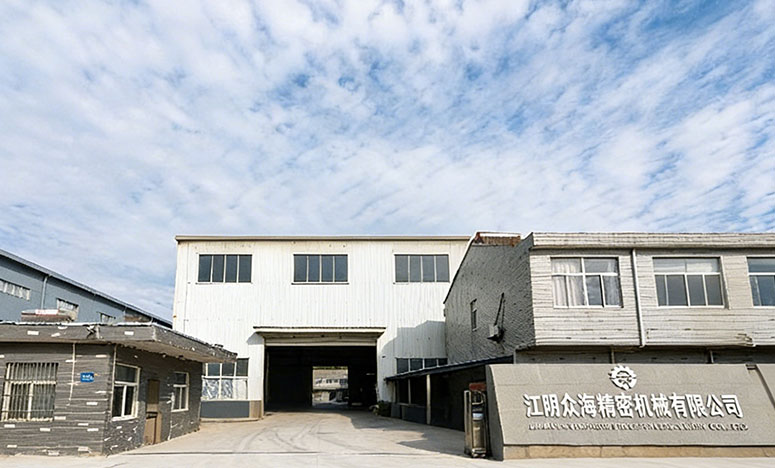
Jiangyin Zhonghai Precision Machinery is an ISO 9001–certified manufacturer with PED / TUV / TS qualifications, specializing in precision flanges and forgings. Their in-house capabilities encompass full forging, heating, CNC turning, drilling, and inspection lines, enabling total control over quality and reliability.
Key advantages that contribute to leak prevention include:
- Full-Process Internal Forging: Minimizes external interfaces, reducing the risk of material defects that could lead to leaks.
- Multi-Standard Forging Adaptability: Ensures compliance with ASME, ASTM, JIS, DIN, and GB standards, meeting diverse client specifications.
- Large-Dimension Heavy-Load Forging: Supports components up to 4 meters and 10 tons, enabling secure, leak-resistant connections even in large-scale installations.
The combination of precision manufacturing, strict standards adherence, and multi-material solutions allows engineers to deploy SS Lap Joint Flanges with confidence in leak-sensitive applications.
Application Scenarios Highlighting Leak Mitigation
The versatility of stainless lap joint flanges makes them ideal for environments where leakage prevention is paramount. Typical applications include:
- Corrosive Media Handling: Chemical and pharmaceutical pipelines where expensive alloy stub ends are required to resist aggressive fluids.
- Frequent Maintenance Systems: Production lines that demand regular inspection, cleaning, or component replacement without risking leaks.
- Confined Space Installation: Locations where rotating the entire pipe for alignment is impractical, yet precise sealing is essential.
- Large-Scale Pressure Vessels: Interfaces for heavy machinery and large vessels, where proper sealing and structural integrity are critical.
These scenarios demonstrate how proper material selection, precision manufacturing, and strategic design contribute to mitigating leakage risks across various industrial applications.
Inspection and Quality Assurance
Mitigating leakage in flange joints requires a proactive quality assurance process. SS Lap Joint Flanges undergo extensive mechanical and non-destructive testing, including:
- Mechanical testing for tensile, yield, and hardness properties.
- Ultrasonic and magnetic particle testing to detect internal or surface defects.
- Dimensional inspection to ensure compliance with drawings and applicable standards.
- Documentation and certification (MTC) to confirm compliance with ISO 9001, PED, TUV, and TS regulations.
By integrating rigorous QA protocols, manufacturers like Jiangyin Zhonghai Precision Machinery ensure that stainless lap joint flanges maintain reliable sealing performance under all operating conditions.
Conclusion
Leakage in flange joints poses significant risks to system safety, operational efficiency, and maintenance costs. Engineers can mitigate these risks by selecting stainless lap joint flanges or SS Lap Joint Flanges, optimizing material selection, adhering to installation best practices, and leveraging precision manufacturing and quality assurance protocols. The combination of robust design, accurate machining, and multi-material solutions enables reliable, leak-resistant connections in a wide range of industrial applications.
Manufacturers like Jiangyin Zhonghai Precision Machinery offer comprehensive solutions, from standard flanges to fully customized designs, ensuring that each component meets strict standards for performance, durability, and sealing integrity.
FAQ
- What is the main advantage of a stainless lap joint flange? It allows the flange to rotate freely on the pipe, simplifying alignment and reducing leakage risks.
- Can SS Lap Joint Flanges handle high-pressure applications? Yes, they can be produced to Class 2500 ratings, suitable for high-pressure industrial systems.
- How does material selection affect leakage prevention? Using corrosion-resistant alloys for stub ends while maintaining carbon steel flanges minimizes corrosion and maintains sealing integrity.
- Are customized sizes available? Yes, manufacturers can produce components up to 4 meters in diameter and 10 tons in weight, tailored to application requirements.
- What standards govern stainless lap joint flanges? They conform to ASME, EN, DIN, JIS, and GB standards, ensuring compliance with international safety and performance requirements.