English
 中文简体
中文简体 Deutsch









 0
0

 0
0

 0
0


How does plate flange alignment affect overall piping system integrity?
Introduction to Stainless Steel Plate Flanges
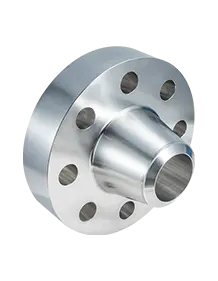
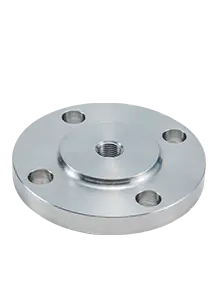
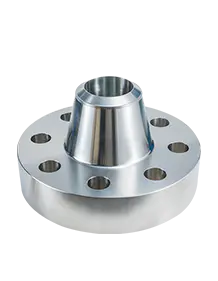
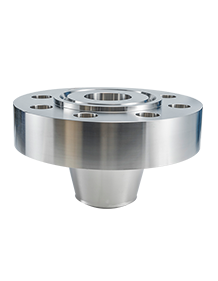
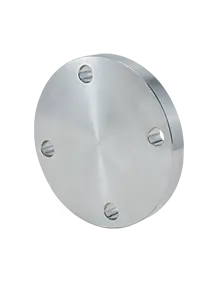
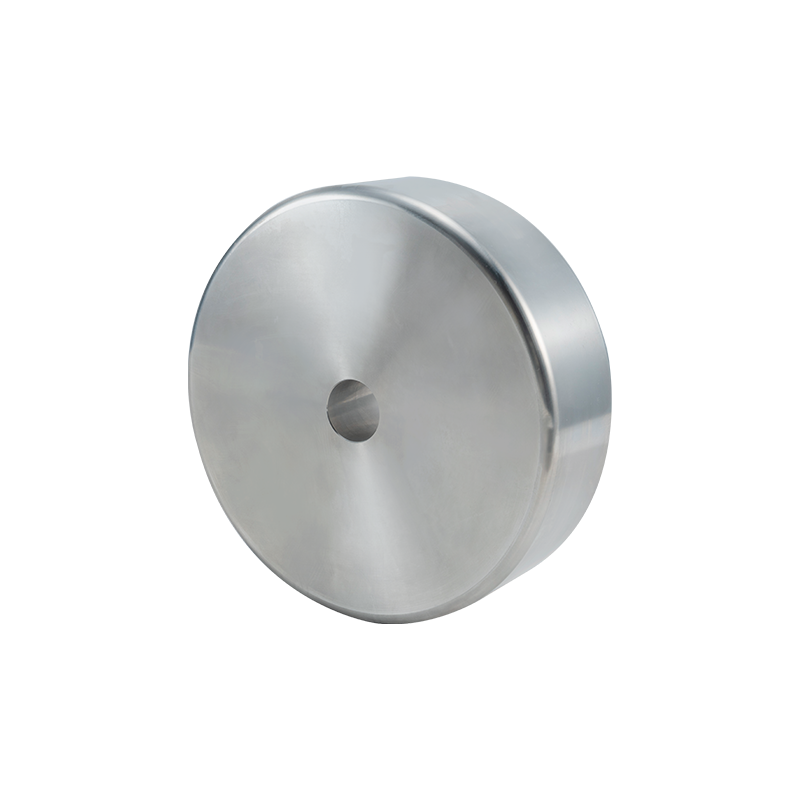
Stainless Steel Plate Flanges are essential components in piping systems, providing both structural integrity and the ability to withstand high pressure and corrosive environments. These flanges are particularly critical in industries such as oil and gas, chemical processing, power generation, and marine applications. Among the various types of flanges, the ss blind flange stands out as a key element for safety and system reliability. It acts as a barrier to seal pipe ends, enabling maintenance, pressure testing, and system expansions without compromising the operational integrity of the network.
Proper alignment of stainless steel plate flanges ensures that the piping system functions as intended. Misalignment can result in uneven stress distribution, flange deformation, and compromised sealing performance. These issues can ultimately lead to leaks, equipment failure, or even catastrophic system malfunctions. In industrial applications, precision alignment is not merely a technical preference but a critical requirement for operational safety and efficiency.
The Role of Flange Alignment in Piping Systems
Flange alignment directly impacts the overall integrity and longevity of a piping system. When a flange is not properly aligned, several issues can arise. Firstly, misalignment can create uneven loads on bolts, leading to premature fatigue and failure. Secondly, the sealing surface may not fully engage with the mating flange, resulting in potential leaks under pressure. Thirdly, misaligned flanges can generate additional bending moments in the pipeline, stressing the adjacent components and supports.
Stainless steel plate flanges are designed to tolerate substantial loads, but their performance is maximized when installed correctly. In pipelines transporting corrosive or high-temperature fluids, misalignment can accelerate corrosion at contact points, undermining the material's durability. For ss blind flange, precision in alignment is crucial because it often serves as the endpoint of a pipeline or system segment. Any misalignment at these critical points can propagate stress throughout the system, affecting valves, pumps, and connected equipment.
Standards and Best Practices for Flange Alignment
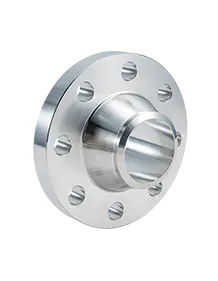
Ensuring proper flange alignment requires adherence to industry standards and precise installation procedures. The most commonly referenced standards for stainless steel plate flanges include ASME, ASTM, JIS, DIN, and EN. These standards provide guidelines for flange dimensions, bolt patterns, face types, and tolerances. Following these standards ensures compatibility across system components and minimizes the risk of misalignment.
Best practices include measuring flange faces before installation, verifying bolt hole positions, and using alignment tools such as flange spreaders or laser-guided systems. Technicians should ensure that flanges are parallel, and the sealing faces are concentric. Even minor deviations can impact the sealing performance of ss blind flange and lead to operational inefficiencies. Regular inspection during assembly and after system pressurization is also recommended to identify any alignment-related issues early.
Manufacturing Considerations Impacting Alignment
The quality of stainless steel plate flanges begins with manufacturing. Flanges produced with precision machining and strict dimensional control facilitate easier alignment during installation. At Jiangyin Zhonghai Precision Machinery, ss blind flange components are manufactured through fully integrated in-house processes, including forging, CNC machining, and heat treatment. This approach ensures minimal deviation from design specifications and consistent performance.
| Manufacturing Stage | Impact on Alignment |
|---|---|
| Forging | Ensures uniform material structure and reduces internal stress that could cause warping |
| CNC Machining | Provides accurate flange face dimensions, bolt hole placement, and concentricity |
| Heat Treatment | Relieves residual stress and stabilizes the flange for high-pressure applications |
By controlling these factors internally, Jiangyin Zhonghai Precision Machinery guarantees that their stainless steel plate flanges maintain dimensional accuracy, facilitating precise alignment in complex piping systems.
Material Selection and Its Influence on Alignment
Material properties significantly influence flange behavior under operational conditions. Stainless Steel Plate Flanges offer high corrosion resistance, tensile strength, and thermal stability, making them suitable for demanding industrial applications. However, the choice of stainless steel grade, such as 304, 316, or duplex variants, can impact the flange's dimensional stability and response to stress.
For ss blind flange, selecting a material that balances mechanical strength and ductility is critical. Too rigid a material may be less forgiving to minor installation misalignments, while a softer alloy could deform under pressure, compromising the seal. Materials like duplex stainless steel are advantageous in scenarios where both high strength and resistance to corrosive environments are required. This ensures that alignment deviations are less likely to result in long-term system issues.
Installation Techniques for Maintaining Alignment
Effective flange installation is key to maintaining system integrity. Installation procedures should prioritize even bolt tightening sequences, proper gasket selection, and careful handling of flange faces. Using torque-controlled tools and calibrated equipment ensures that bolts are tightened evenly, preventing flange distortion.
- Step 1: Inspect all flange faces for surface imperfections and clean them thoroughly.
- Step 2: Align bolt holes using dowel pins or temporary guides to maintain concentricity.
- Step 3: Place the gasket carefully, ensuring it sits flush and without wrinkles.
- Step 4: Gradually tighten bolts in a crisscross pattern to distribute load evenly.
- Step 5: Recheck alignment after initial tightening and after pressurization of the system.
These steps help to preserve the mechanical integrity of stainless steel plate flanges and ensure that the ss blind flange performs reliably under operational pressures.
Inspection and Maintenance for Long-Term Integrity
Regular inspection is crucial for detecting alignment issues before they escalate into major failures. Visual inspections, ultrasonic testing, and dimensional checks can identify signs of misalignment, deformation, or stress concentration. For critical systems, non-destructive testing such as magnetic particle testing and dye penetrant inspection can detect surface cracks that might compromise the seal.
Maintenance procedures should include periodic bolt retorquing, verification of flange face flatness, and replacement of gaskets as needed. Well-aligned stainless steel plate flanges require less frequent maintenance, reducing downtime and operational costs. Incorporating a structured maintenance schedule ensures that alignment integrity is sustained throughout the system's service life.
Applications Highlighting the Importance of Flange Alignment
The performance of stainless steel plate flanges is particularly critical in industries where high pressure, corrosive fluids, or complex piping networks are present. Examples include:
- Oil and Gas: Wellhead connections and high-pressure pipelines require perfectly aligned flanges to prevent leaks and ensure safety.
- Chemical and Refining: Reactors and pressure vessels depend on precise flange alignment to maintain controlled reactions and prevent hazardous leaks.
- Power Generation: Thermal and nuclear power plants demand accurate flange alignment to ensure the integrity of steam and cooling systems.
- Marine and Offshore: Ballast and high-salinity water systems are vulnerable to misalignment-induced corrosion and mechanical stress.
- Water Treatment: Large-scale municipal and industrial water pipelines rely on correctly aligned flanges to sustain continuous operation.
In all these scenarios, the ability of a ss blind flange to maintain a tight seal and withstand operational pressures directly influences system reliability and safety.
Quality Assurance and Supplier Capabilities
Selecting a reliable supplier is essential for ensuring high-quality stainless steel plate flanges. Jiangyin Zhonghai Precision Machinery exemplifies best practices in flange manufacturing. As an ISO 9001–certified manufacturer with PED / TUV / TS qualifications, the company offers a full range of precision flanges and forgings, including standard and custom-designed ss blind flange components. Their in-house capabilities cover forging, CNC machining, heat treatment, and inspection, ensuring consistent quality and precise dimensional control.
| Capability | Impact on System Integrity |
|---|---|
| Full-Category Manufacturing | Ensures consistency across flange sizes and types, supporting proper alignment |
| Multi-Scenario Adaptation | Provides optimized solutions for complex piping layouts and custom applications |
| In-House Forging and Machining | Minimizes quality variation and supports accurate alignment in installation |
By partnering with such a supplier, engineers and system integrators can reduce the risk of misalignment and associated operational issues.
Conclusion
Proper alignment of stainless steel plate flanges is essential for maintaining the integrity of any piping system. Misalignment can lead to uneven stress distribution, leaks, and long-term equipment damage. By adhering to industry standards, employing precise installation techniques, and sourcing components from reliable manufacturers like Jiangyin Zhonghai Precision Machinery, organizations can ensure system reliability, safety, and longevity. The ss blind flange remains a critical component in these efforts, providing a secure barrier and structural support in demanding industrial environments.
FAQ
- What is a ss blind flange? A ss blind flange is a flange used to seal the end of a pipe, providing structural integrity and serving as a barrier for maintenance or testing.
- Why is flange alignment important? Proper alignment ensures even stress distribution, prevents leaks, and maintains the mechanical integrity of the piping system.
- How often should flange alignment be checked? Inspection should occur during installation, after pressurization, and periodically during maintenance to detect misalignment or deformation.
- What materials are commonly used for stainless steel plate flanges? Materials include 304, 316, and duplex stainless steel, chosen based on corrosion resistance, mechanical strength, and operating conditions.
- How does Jiangyin Zhonghai Precision Machinery ensure flange quality? Through full in-house forging, CNC machining, heat treatment, and quality control under ISO 9001, PED, TUV, and TS standards, ensuring precise dimensions and reliable performance.