English
 中文简体
中文简体 Deutsch









 0
0

 0
0

 0
0


What Are the Key Benefits and Applications of Hastelloy Flanges in Industrial Systems?
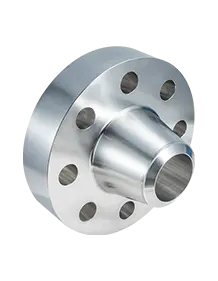
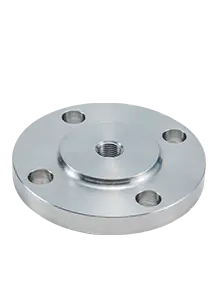
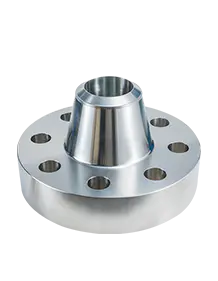
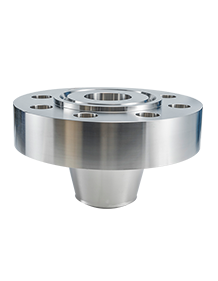
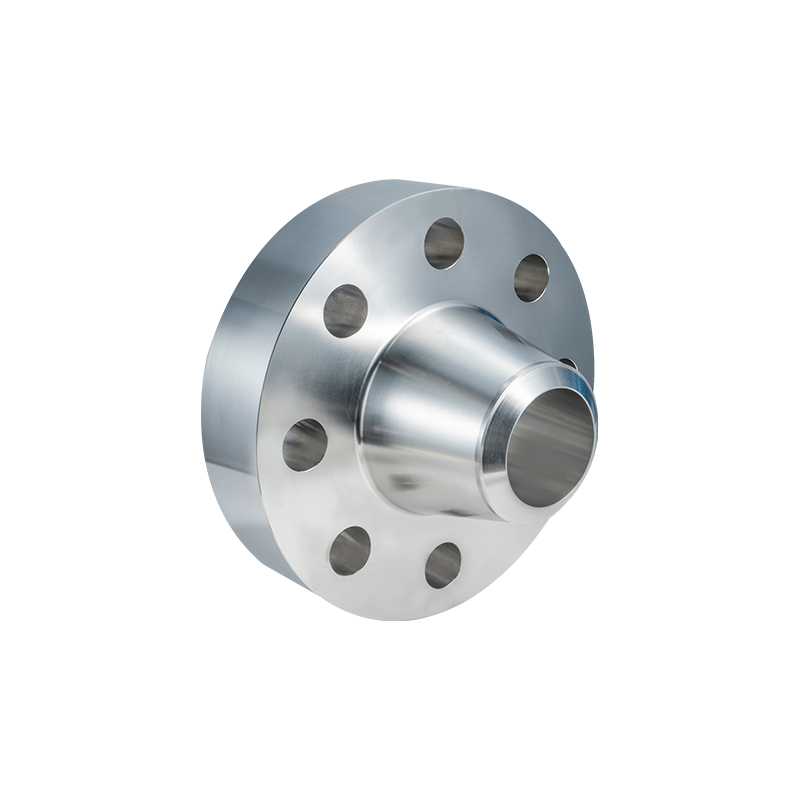
Hastelloy flanges, made from a high-performance metal alloy, play a crucial role in various industrial applications due to their excellent resistance to corrosion, high-temperature stability, and mechanical strength. These flanges are particularly useful in harsh environments where traditional materials would fail due to severe conditions.
What is Hastelloy and Why is it Used in Flange Manufacturing?
Hastelloy is a trademarked name for a group of corrosion-resistant metal alloys primarily composed of nickel, molybdenum, and chromium. This alloy is known for its exceptional resistance to chemical corrosion, high temperatures, and stress corrosion cracking. As a result, Hastelloy is frequently used in industries such as chemical processing, aerospace, and marine engineering. Hastelloy flanges, made from this alloy, are particularly sought after for their durability in severe environments.
The primary reason for using Hastelloy in flange manufacturing is its ability to withstand extreme conditions without degradation. Hastelloy flanges are used in systems involving corrosive chemicals, high-pressure applications, and high-temperature operations, such as in heat exchangers, reactors, and piping systems.
Key Properties of Hastelloy Flanges
The properties of Hastelloy flanges make them ideal for various industrial applications. Some of the key properties include:
| Property | Description |
|---|---|
| Corrosion Resistance | Hastelloy is highly resistant to a wide range of chemicals, including acids, alkalis, and salts. |
| High-Temperature Stability | Withstanding temperatures up to 1300°F (704°C), Hastelloy flanges maintain strength and integrity. |
| Stress Corrosion Cracking Resistance | The alloy is resistant to stress corrosion cracking, making it ideal for high-stress environments. |
| Mechanical Strength | Hastelloy flanges maintain their mechanical properties under stress, ensuring reliability. |
| Ductility | The material offers excellent ductility, which facilitates the forming of flanges without cracking. |
Manufacturing Process of Hastelloy Flanges
The manufacturing process of Hastelloy flanges is complex and requires precision at every step to ensure the final product meets strict industry standards. The process typically involves the following stages:
Raw Material Inspection
Before manufacturing begins, the raw Hastelloy material undergoes rigorous quality checks. This includes chemical composition analysis to verify that the material meets the specified requirements for corrosion resistance and mechanical properties.
Forging
Hastelloy flanges are often produced through forging. This process involves heating the raw material to high temperatures and shaping it using mechanical presses or hammers. Forging ensures that the material's grain structure is optimized for strength and durability.
Heat Treatment
After forging, Hastelloy flanges are subjected to heat treatment processes, such as annealing, to relieve stresses and improve their mechanical properties. This step is critical for ensuring the flanges can perform at high temperatures without losing their integrity.
CNC Machining
Once the flanges are forged and heat-treated, CNC machining is used to achieve precise dimensions and features. The use of CNC machines ensures that the flanges are accurately machined to meet customer specifications, providing a perfect fit for installation.
Surface Finishing
The surface of Hastelloy flanges is typically treated to enhance corrosion resistance and aesthetic appeal. Common surface finishes include polishing, sandblasting, and passivation to remove any contaminants and improve the material's resistance to corrosion.
Quality Control and Testing
Before the flanges are shipped, they undergo rigorous testing. This includes Non-Destructive Testing (NDT) to check for any defects, dimensional accuracy verification, and pressure testing to ensure the flanges can withstand high-pressure environments.
Applications of Hastelloy Flanges
Hastelloy flanges are used in various industries that require reliable performance in extreme conditions. Some of the most common applications include:
Chemical Processing
In chemical processing plants, Hastelloy flanges are used to connect pipes and vessels carrying aggressive chemicals such as hydrochloric acid, sulfuric acid, and chlorine. These flanges ensure leak-proof connections and maintain the integrity of the system even when exposed to harsh chemicals.
Aerospace
The aerospace industry benefits from Hastelloy flanges due to their high-temperature resistance and strength. These flanges are used in aircraft engine components and other critical parts where performance at extreme temperatures is essential.
Marine Engineering
Marine environments expose materials to saltwater, which can cause corrosion. Hastelloy's exceptional resistance to corrosion makes it ideal for use in marine applications such as shipbuilding, offshore platforms, and desalination plants.
Nuclear Power Plants
Hastelloy flanges are often found in nuclear power plants, where they are used in cooling systems, reactor vessels, and heat exchangers. Their ability to withstand radiation, high pressures, and high temperatures ensures the safety and longevity of critical systems in these plants.
Pharmaceutical Industry
Hastelloy flanges are also used in pharmaceutical manufacturing equipment where purity and resistance to contamination are crucial. These flanges are used in reactors, tanks, and pipelines, ensuring safe and efficient processing of sensitive compounds.
Advantages of Using Hastelloy Flanges
The use of Hastelloy flanges offers several advantages over other materials, including:
- Long-Term Durability: Hastelloy flanges offer superior longevity due to their resistance to corrosion, stress cracking, and high-temperature degradation.
- Reduced Maintenance Costs: The durability of Hastelloy reduces the frequency of flange replacement and minimizes downtime, lowering long-term maintenance costs.
- Enhanced Safety: Hastelloy flanges ensure the safe operation of critical systems by maintaining their structural integrity under extreme conditions, reducing the risk of system failure.
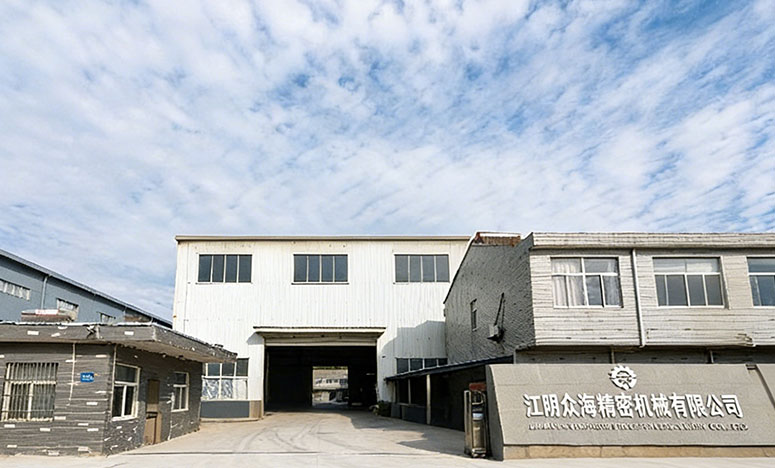
- Custom Manufacturing: Jiangyin Zhonghai Precision Machinery Co., Ltd. provides custom Hastelloy flanges, ensuring that specific dimensions and design features are met to satisfy unique operational needs.
Comparison with Other Materials
When comparing Hastelloy flanges to other materials such as stainless steel or carbon steel, Hastelloy offers superior performance in high-temperature and chemically aggressive environments. Stainless steel, for example, may corrode over time in harsh chemical environments, whereas Hastelloy remains unaffected. However, the cost of Hastelloy is higher than that of standard materials, making it essential to evaluate whether the application justifies the expense.
| Material | Corrosion Resistance | High-Temperature Resistance | Cost |
|---|---|---|---|
| Hastelloy | Excellent | Excellent | High |
| Stainless Steel | Good | Good | Medium |
| Carbon Steel | Poor | Poor | Low |
Conclusion
Hastelloy flanges are a critical component in industries requiring high performance in harsh environments. Their exceptional resistance to corrosion, high temperatures, and stress corrosion cracking make them indispensable in applications across chemical processing, aerospace, marine engineering, and nuclear power. Thanks to the advanced manufacturing processes employed by Jiangyin Zhonghai Precision Machinery Co., Ltd., Hastelloy flanges offer unparalleled durability and reliability, ensuring the safety and efficiency of industrial systems.
For companies in need of high-quality, customized Hastelloy flanges, Jiangyin Zhonghai Precision Machinery Co., Ltd. provides a reliable solution, offering products that adhere to international standards and meet the specific requirements of each application.