English
 中文简体
中文简体 Deutsch









 0
0

 0
0

 0
0


How Does Forging Enhance the Performance of Stainless Steel Flanges?
F55 F60 Stainless Steel Flanges are integral components in industrial piping systems, playing a critical role in connecting various pipes, valves, and other equipment. These flanges not only provide a robust seal to prevent leakage but also ensure the structural integrity of systems exposed to high-pressure and high-temperature conditions. With their widespread application in industries such as petrochemical, power generation, and food processing, understanding their functionality, types, and material properties is essential for engineers and procurement professionals.
What Is a Stainless Steel Flange?
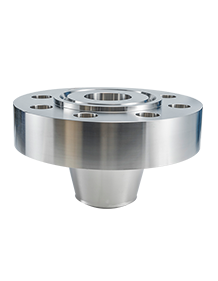
A stainless steel flange is a mechanical device used to connect two sections of pipe or other components in a piping system. Typically, a flange has a flat surface with bolt holes that align with corresponding holes on pipes or valves, allowing them to be securely fastened together with bolts. This creates a leak-proof and durable seal. Stainless steel is a preferred material due to its excellent resistance to corrosion, making it suitable for high-stress environments and various corrosive fluids.
Key Types of Stainless Steel Flanges
Flanges come in different types, each suited for specific applications and pressures. The primary types of stainless steel flanges include:
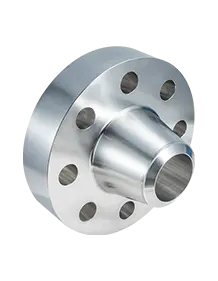
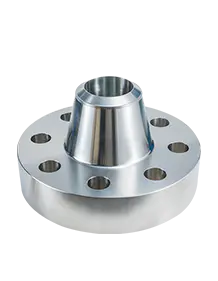
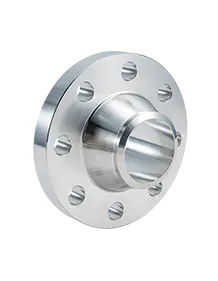
- Weld Neck Flange: Characterized by a long tapered neck that gradually transitions to the pipe. This type of flange is ideal for high-pressure systems and is highly recommended for critical applications.
- Slip-On Flange: Easy to install by sliding onto the pipe. It is a cost-effective solution but not suitable for high-pressure systems.
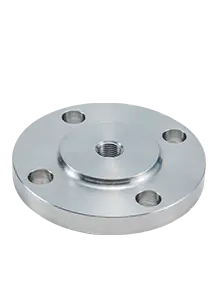
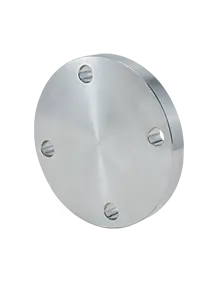
- Blind Flange: Used to seal the end of a piping system, preventing fluid flow.
- Socket Weld Flange: These flanges have a socket for the pipe to be inserted, making them ideal for smaller pipe sizes and high-pressure applications.
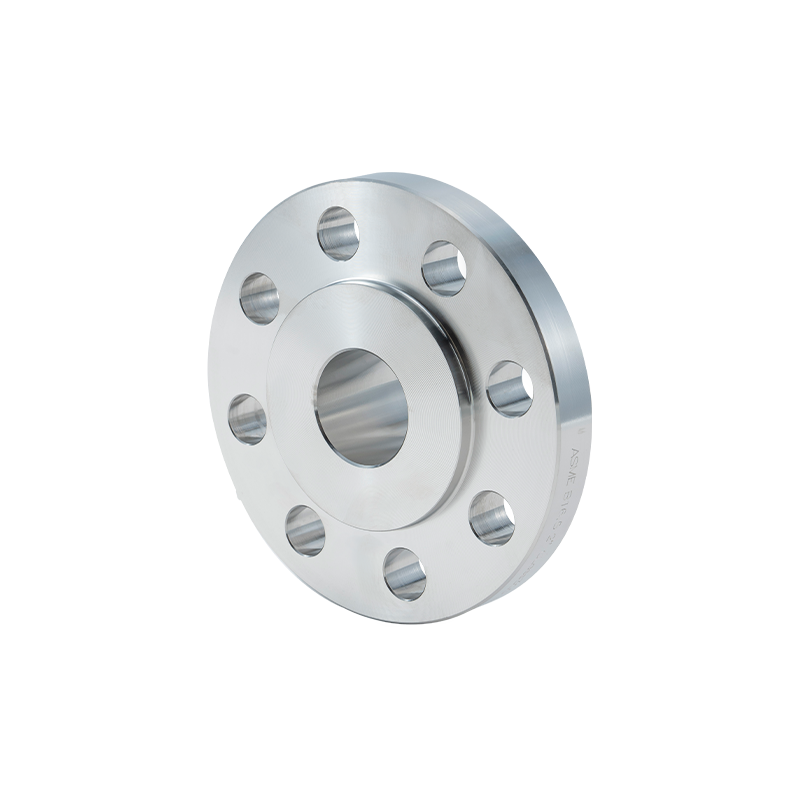
- Lap Joint Flange: Commonly used for systems where the flange may need to be rotated after installation.
Material Types for Stainless Steel Flanges
Stainless steel flanges come in a variety of grades and alloys, each with distinct properties that make them suitable for specific applications. Among the commonly used materials are:
F55 Stainless Steel Flanges: F55 is a duplex stainless steel alloy that combines the properties of austenitic and ferritic stainless steels. Known for its exceptional strength, F55 flanges are highly resistant to stress corrosion cracking and are ideal for high-pressure and high-temperature environments. F55 stainless steel flanges are widely used in the chemical, petrochemical, and marine industries.
F60 Stainless Steel Flanges: F60 is a high-strength, low-alloy steel that offers excellent resistance to oxidation and corrosion. It is often used in demanding applications where pressure and temperature resistance are essential. F60 flanges are common in industries that require a balance between strength and cost-efficiency.
304 Stainless Steel Flanges: One of the most common grades, 304 stainless steel is resistant to oxidation and corrosion in a wide range of environments. Its high formability and resistance to high temperatures make it a standard choice for various industrial piping applications.
316 Stainless Steel Flanges: This is an austenitic stainless steel alloy known for superior corrosion resistance, especially in chloride environments. 316 stainless steel flanges are widely used in food processing, pharmaceuticals, and marine industries.
Alloy 20 Flanges: Designed for applications requiring resistance to sulfuric acid, Alloy 20 stainless steel flanges are commonly used in chemical processing and handling corrosive substances.
Manufacturing Process of Stainless Steel Flanges
The production of stainless steel flanges involves several key steps to ensure dimensional accuracy, material strength, and surface quality. Below is an overview of the manufacturing process:
Raw Material Selection: The manufacturing process begins with the selection of high-quality stainless steel or alloy material. For high-performance flanges like F55 and F60, careful attention is paid to the material's composition and its suitability for the desired application.
Forging: The steel is heated to a malleable state and then forged into the desired shape. This step is crucial for flanges used in high-pressure systems, as it ensures the material's strength and durability.
Heat Treatment: After forging, flanges undergo a heat treatment process to enhance their mechanical properties. This may include processes such as annealing, quenching, or tempering, depending on the material and intended application.
CNC Machining: The flange is then machined to precise specifications using CNC (Computer Numerical Control) technology. This ensures that the flange has the correct dimensions, bolt hole patterns, and surface finish.
Inspection and Testing: After machining, the flanges undergo rigorous quality control checks. These include visual inspections, dimensional measurements, and non-destructive testing (NDT) methods like ultrasonic or radiographic testing to detect any internal flaws.
Packaging: Finally, the flanges are carefully packaged for delivery, ensuring they are protected during transport and storage.
Material Comparison Table: Stainless Steel Flanges
| Material Grade | Corrosion Resistance | Strength (MPa) | Common Applications |
|---|---|---|---|
| F55 Stainless Steel | Excellent | High | Chemical, Petrochemical, Marine |
| F60 Stainless Steel | Good | Very High | High-temperature applications |
| 304 Stainless Steel | Good | Moderate | Food processing, General piping |
| 316 Stainless Steel | Excellent in Chlorides | High | Marine, Pharmaceuticals |
| Alloy 20 Stainless | Superior in Acidic Conditions | High | Chemical processing |
Key Considerations When Choosing Stainless Steel Flanges
Pressure and Temperature Resistance: The operating pressure and temperature of the piping system must be considered when choosing the flange type and material grade. F55 and F60 stainless steel flanges are ideal for high-pressure applications due to their strength and corrosion resistance.
Corrosion Resistance: In industries dealing with chemicals, pharmaceuticals, or marine environments, corrosion resistance becomes crucial. Materials like 316 stainless steel and Alloy 20 offer superior resistance to aggressive environments.
Material Compatibility: It is important to ensure that the selected flange material is compatible with the fluid being transported in the system. For example, F55 flanges are well-suited for applications involving corrosive substances.
Custom Flanges: When dealing with non-standard specifications or special conditions, custom flanges are often required. Jiangyin Zhonghai Precision Machinery Co., Ltd. specialize in providing bespoke solutions, supporting small batches and mass production.
Applications of Stainless Steel Flanges
Stainless steel flanges are used in a wide range of industries, including:
- Oil and Gas: In the extraction and transportation of oil and gas, flanges must withstand high-pressure and corrosive environments. F55 stainless steel flanges are often the material of choice for these demanding applications.
- Chemical and Petrochemical: These industries require flanges that can resist aggressive chemicals and high temperatures. F60 stainless steel flanges are commonly used due to their balance between cost and performance.
- Marine: The marine environment, with its exposure to saltwater, requires materials that resist corrosion. 316 stainless steel flanges are preferred in this industry.
- Food and Beverage: Stainless steel flanges are used extensively in food processing due to their ability to withstand cleaning chemicals and meet hygiene standards.
Conclusion
Stainless steel flanges are vital components in various industries, providing essential functions like sealing, connecting, and supporting piping systems. With various grades available, such as F55 and F60 stainless steel flanges, it is essential to choose the right material based on application needs, pressure, temperature, and corrosion resistance. Jiangyin Zhonghai Precision Machinery Co., Ltd. offers a wide range of high-quality flanges tailored to industry standards, ensuring both custom and standard solutions for customers worldwide.
Incorporating precision manufacturing techniques and quality control processes ensures that stainless steel flanges meet the highest performance standards. For more information or to inquire about custom flange solutions, please contact Jiangyin Zhonghai Precision Machinery Co., Ltd., a company capable of providing tailored solutions for a wide range of applications.