English
 中文简体
中文简体 Deutsch








 0
0

 0
0

 0
0


What Makes Stainless Steel Flanges a Reliable Solution in Pipe and Valve Systems?
F316 316L 316Ti Stainless Steel Flange are crucial components in a variety of industries where pipe, valve, and other pressure systems are used. These components serve as the junctions where different sections of a pipeline, pipe, or vessel meet, providing a secure and leak-proof connection.
Understanding Stainless Steel Flanges: Key Functions and Applications
A stainless steel flange is a disc-shaped component with holes that are used to connect pipes, valves, pumps, and other equipment in a piping system. Flanges are essential for joining pipes to each other or to other mechanical systems, ensuring safe and efficient fluid or gas transfer.
The primary functions of stainless steel flanges include:
- Providing a Tight Seal: They ensure leak-proof connections to prevent fluid or gas leakage.
- Allowing for Easy Disassembly and Maintenance: Flanges are designed to be easy to install and remove, making maintenance and inspection processes smoother.
- Providing Structural Support: Stainless steel flanges provide physical support to the pipes or other connected equipment.
Stainless steel flanges find their applications across various industries such as:
- Chemical Processing
- Oil and Gas
- Food and Beverage
- Pharmaceuticals
- Water Treatment
- Power Generation
Types of Stainless Steel Flanges
There are several types of stainless steel flanges, each designed for specific applications and requirements. The most common types include:
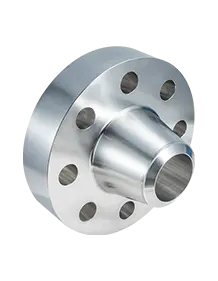
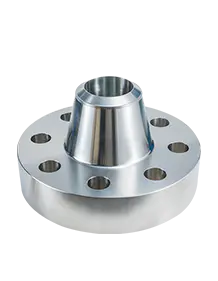
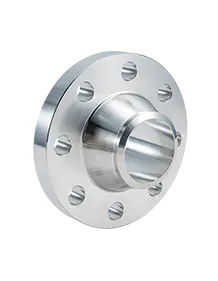
- Weld Neck Flanges: These flanges are ideal for high-pressure systems where a smooth and strong joint is required. The neck of the flange is welded directly to the pipe.
- Slip-On Flanges: These flanges slide over the pipe and are easier to install, though they are typically used in lower-pressure systems.
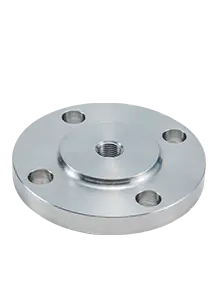
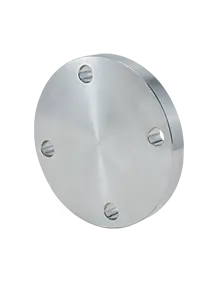
- Blind Flanges: These are used to seal the end of a pipe, effectively preventing the passage of fluids.
- Socket Weld Flanges: Used for smaller diameter pipes, socket weld flanges are welded directly into the pipe.
- Lap Joint Flanges: These are used with a backing flange and allow for easy alignment and disassembly.
Materials of Stainless Steel Flanges
Stainless steel flanges are manufactured using different grades of stainless steel, each offering distinct benefits depending on the application. Some of the most commonly used stainless steel grades include:
- F316 Stainless Steel Flange: This grade contains molybdenum, making it highly resistant to corrosion, especially in chloride environments. It's a preferred choice in marine, chemical, and petrochemical industries.
- 316L Stainless Steel Flange: Similar to F316, but with a lower carbon content. This makes it highly resistant to sensitization during welding, providing better performance in environments exposed to high temperatures.
- 316Ti Stainless Steel Flange: With the addition of titanium, 316Ti flanges offer enhanced resistance to corrosion, particularly in extreme environments where high temperatures and chlorides are present.
These three grades—F316, 316L, and 316Ti—are among the most common and reliable choices for stainless steel flanges used in industrial systems. Depending on the operating conditions and requirements, each material offers specific advantages in terms of corrosion resistance, mechanical properties, and longevity.
| Material | Corrosion Resistance | Temperature Resistance | Applications |
|---|---|---|---|
| F316 Stainless | Excellent in chloride-rich environments | High-temperature resistance | Marine, Chemical Processing |
| 316L Stainless | Excellent with minimal welding issues | Moderate-temperature resistance | Pharmaceutical, Food Industry |
| 316Ti Stainless | Superior resistance to high-temperature corrosion | Excellent in high-temperature environments | Heat exchangers, reactors |
Manufacturing Process of Stainless Steel Flanges
The production of stainless steel flanges is a multi-step process that involves several critical stages. Each stage must be precisely controlled to ensure that the final product meets the stringent quality standards required for industrial applications.
- Raw Material Inspection: High-quality raw stainless steel is selected based on the desired properties of the flange. This material is thoroughly tested to ensure it meets the required standards.
- Forging: The selected stainless steel undergoes forging to shape it into a rough flange. This process improves the material's strength and resilience by aligning its grain structure.
- Heat Treatment: Heat treatment is applied to enhance the mechanical properties of the flange, including hardness and corrosion resistance.
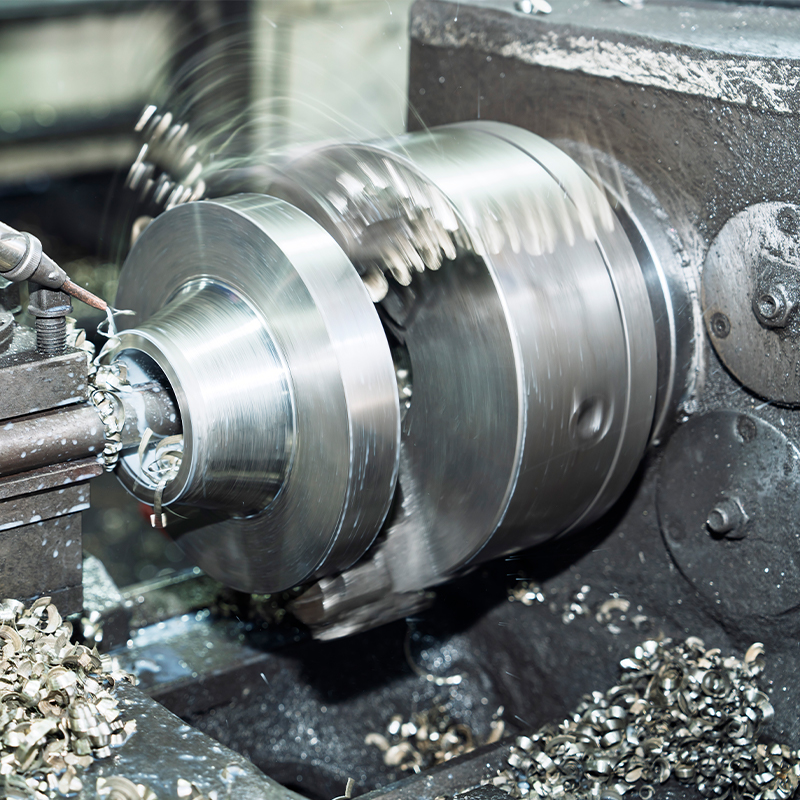
- CNC Machining: The flange is then machined to the precise dimensions required, including drilling holes for bolting and ensuring a smooth finish for leak-proof sealing.
- Final Inspection: After machining, each flange undergoes rigorous inspection to verify its dimensional accuracy, material quality, and surface finish.
- Packaging and Dispatch: Once approved, the flanges are carefully packed to ensure they arrive in perfect condition.
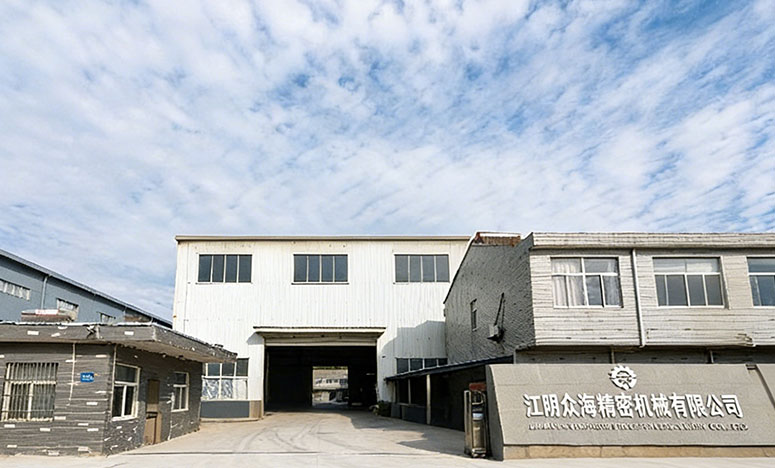
Jiangyin Zhonghai Precision Machinery Co., Ltd., a leading manufacturer in the stainless steel flange industry, ensures each step follows ISO 9001 standards and industry best practices. The company offers a full range of stainless steel flanges, from standard sizes to custom-made designs, capable of meeting the demands of a variety of industries. Their manufacturing process is complemented by comprehensive in-house capabilities such as CNC machining, heat treatment, and advanced testing techniques.
Advantages of Stainless Steel Flanges
The benefits of stainless steel flanges are clear, particularly when compared to other materials such as carbon steel or cast iron. Some of the main advantages include:
- Corrosion Resistance: Stainless steel offers superior resistance to rust and corrosion, particularly in harsh or saline environments.
- Strength and Durability: Stainless steel flanges are built to last and withstand high-pressure and high-temperature conditions.
- Versatility: Stainless steel flanges are available in various designs and materials, making them suitable for a wide range of applications.
- Easy Maintenance: With their robust design, stainless steel flanges require minimal maintenance and are easy to inspect, making them ideal for industries with high maintenance demands.
Why choose Zhonghai?
Jiangyin Zhonghai Precision Machinery Co., Ltd., with its rich experience and advanced production capabilities, is able to process flanges of various types and specifications. With their focus on customer requirements, Jiangyin Zhonghai ensures that every flange meets the highest quality standards and offers long-lasting performance in various industrial applications.
Their ISO certifications and adherence to international standards make them a trusted partner for industries such as power generation, oil and gas, and chemical processing. Jiangyin Zhonghai also offers customized solutions, providing tailored flanges that meet specific design requirements, whether for a high-pressure system or an unusual application.
Conclusion
Stainless steel flanges, especially those made from F316, 316L, and 316Ti grades, are vital components in a wide range of industries due to their corrosion resistance, strength, and versatility. The manufacturing process, which includes careful material selection, forging, heat treatment, CNC machining, and final inspection, ensures that each flange meets the necessary quality standards.