English
 中文简体
中文简体 Deutsch








 0
0

 0
0

 0
0


How to Ensure Quality and Precision When Choosing Stainless Steel Flanges for Industrial Use?
Stainless steel flanges are crucial components in a variety of industrial systems, playing a central role in pipe connections and structural integrity. These flanges come in various types and grades, designed for specific applications requiring resistance to corrosion, high temperatures, and high pressures. Among the many types, the 304H stainless steel flange, 304L stainless steel flange, and F304 stainless steel flange are some of the most commonly used in industries where durability and reliability are essential.
What Are Stainless Steel Flanges?
Flanges are flat, disc-shaped components with a hole pattern that allows them to be bolted to other flanges or equipment, forming a sealed connection. These connections ensure the transportation of liquids, gases, or materials in systems like pipelines, pressure vessels, and HVAC systems. Stainless steel flanges, made from alloys that primarily contain iron, chromium, and nickel, are known for their ability to resist corrosion, oxidation, and other harsh environmental factors, which makes them a preferred choice for various industrial applications.
Types of Stainless Steel Flanges
There are several types of stainless steel flanges, each serving a different function depending on the specific needs of the application. Some of the most common types include:
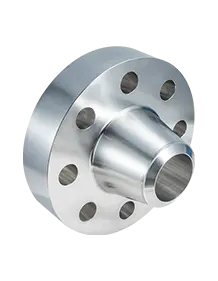
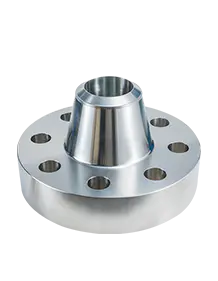
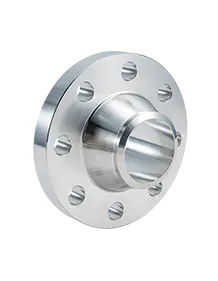
Weld Neck Flange: This flange type has a long neck that can be welded to pipes, offering a strong, durable connection. It is commonly used in high-pressure systems.
Slip-On Flange: A flange that slides over the pipe, making it easier to install. This is typically used in low-pressure systems.
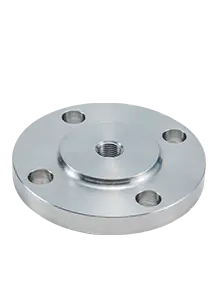
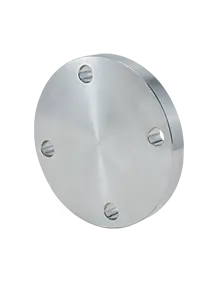
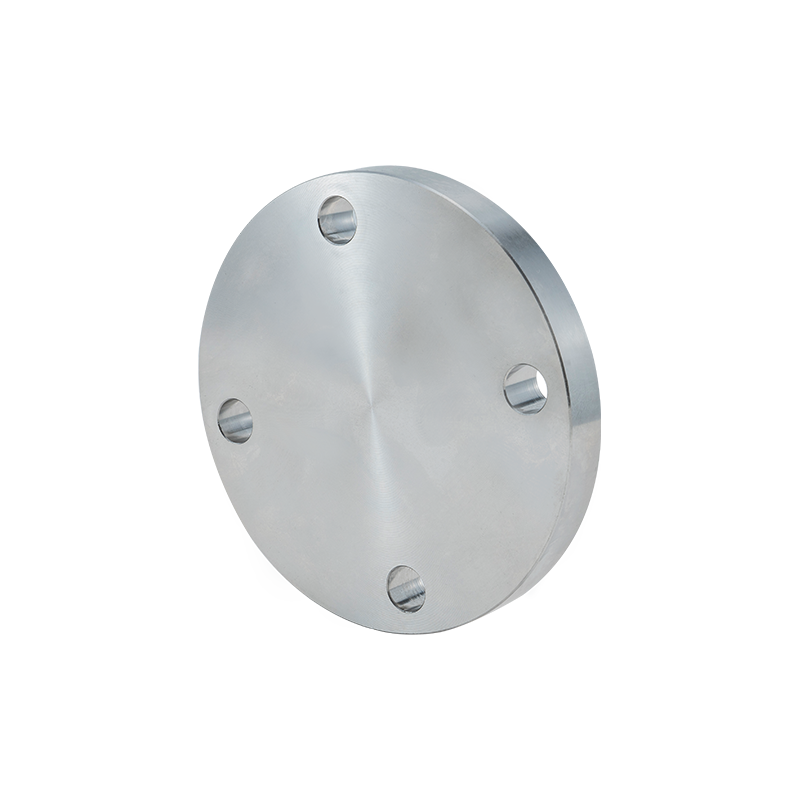
Blind Flange: Used to seal the end of a pipe or to close off a pipeline. It has no hole in the middle, thus blocking the passage.
Socket Weld Flange: Designed for small-diameter pipes, the socket-weld flange is inserted into the pipe and welded inside, providing a secure seal.
Lap Joint Flange: Primarily used when easy disassembly is required. The lap joint flange consists of two pieces, and the pipe is mounted between the two.
Each of these types is available in various grades of stainless steel, with the choice of material depending on the environment and application requirements.
Materials and Grades of Stainless Steel Flanges
304 Stainless Steel Flange
The 304 stainless steel flange is one of the most widely used in various industries. It is composed of 18% chromium and 8% nickel, making it highly resistant to corrosion and oxidation. It is ideal for low to moderately corrosive environments and is commonly used in the food, pharmaceutical, and chemical industries.
304L Stainless Steel Flange
The 304L stainless steel flange is a low-carbon variant of the 304 flange. The reduced carbon content gives it superior weldability and resistance to sensitization, making it suitable for use in welded applications that require high corrosion resistance. This flange is ideal for environments where high resistance to both general corrosion and pitting is necessary.
304H Stainless Steel Flange
The 304H stainless steel flange contains a higher carbon content than the standard 304 flange, which improves its strength at elevated temperatures. This makes the 304H stainless steel flange particularly useful in high-temperature applications, such as power plants and boilers.
F304 Stainless Steel Flange
The F304 stainless steel flange is a variation designed for use in critical applications where both strength and resistance to high temperatures are needed. The F304 flange is an excellent choice for applications involving high-pressure steam systems and refineries, offering excellent mechanical properties under elevated temperatures.
Comparison of Stainless Steel Flanges
| Material Grade | Key Features | Applications |
|---|---|---|
| 304 Stainless Steel | Excellent corrosion resistance, easy to weld, cost-effective | Food processing, pharmaceutical, chemical industries |
| 304L Stainless Steel | Low carbon content, improved weldability, high corrosion resistance | Welded systems, high-pressure systems |
| 304H Stainless Steel | High carbon content for strength at elevated temperatures | Power plants, boilers, high-temperature systems |
| F304 Stainless Steel | High strength, excellent mechanical properties, temperature resistance | Steam systems, refineries, high-pressure applications |
The Manufacturing Process of Stainless Steel Flanges
Raw Material Inspection
The production of stainless steel flanges begins with the careful selection and inspection of raw materials, such as stainless steel billets or slabs. The quality of these raw materials is crucial to ensure that the final flange meets the required mechanical and chemical properties.
Forging
Flanges are typically forged from steel billets using high-temperature methods to shape the flange blank. This process ensures that the flange has the necessary strength, toughness, and dimensional stability.
Heat Treatment
Heat treatment is an essential step in the manufacturing process. Flanges are heated to specific temperatures and then rapidly cooled in a quenching process to relieve internal stresses and improve hardness and toughness.
CNC Machining
After forging, flanges undergo precision machining to ensure they meet strict dimensional requirements. This includes turning, milling, drilling, and threading operations using CNC (Computer Numerical Control) machines. The use of CNC machining ensures that each flange is manufactured to exact tolerances.
Final Testing and Packaging
Finally, stainless steel flanges undergo rigorous quality control and testing procedures. This may include dimensional inspection, pressure testing, and material composition analysis. Once approved, the flanges are carefully packaged for shipment to ensure that they arrive at the destination in perfect condition.
Applications of Stainless Steel Flanges
Stainless steel flanges are used across a wide range of industries, including:
- Oil and Gas: Flanges are used in pipelines, pressure vessels, and processing plants for the extraction and transportation of oil and gas.
- Chemical Processing: Stainless steel flanges are ideal for use in environments where corrosive chemicals are present, providing a reliable seal to prevent leaks.
- Power Generation: High-strength stainless steel flanges like the 304H stainless steel flange are critical in power plants, where they are used in high-temperature and high-pressure systems.
- Food and Beverage: In this sector, 304L stainless steel flanges are often used due to their excellent resistance to corrosion and ease of cleaning.
Why Choose Zhonghai?
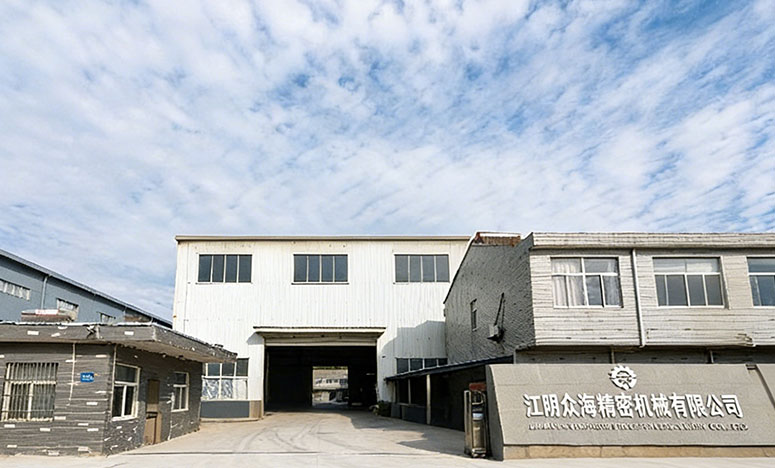
Jiangyin Zhonghai Precision Machinery Co., Ltd. specializes in manufacturing a wide variety of stainless steel flanges, including 304H stainless steel flange, 304L stainless steel flange, and F304 stainless steel flange, among other products. With an ISO 9001 certification, the company adheres to international quality standards and offers fully customized flanges based on customer drawings and specifications. The company's production capacity includes the ability to manufacture flanges up to 60 inches in diameter and weighing up to 10 tons.
Conclusion
Stainless steel flanges, such as the 304H, 304L, and F304, are essential components in a wide variety of industries, offering reliable, corrosion-resistant, and high-strength solutions for pipe connections and pressure systems. Whether you are in the chemical, food processing, or power generation industry, choosing the right flange type and material is critical for the long-term efficiency and safety of your systems.