English
 中文简体
中文简体 Deutsch








 0
0

 0
0

 0
0


What Are the Key Considerations When Choosing a Stainless Steel Flange for Your System?
Flanges are critical components in any piping system, serving as the interface between pipes, valves, and other fittings. These integral pieces not only ensure the safe and efficient transportation of fluids and gases but also play a key role in maintaining the integrity of the system under varying pressures and temperatures. Among the various materials used for flanges, stainless steel is particularly favored for its superior durability, corrosion resistance, and ability to withstand high temperatures. In particular, 321 stainless steel flanges are increasingly being used in a variety of industrial applications.
Understanding Stainless Steel Flanges
Stainless steel flanges are designed to provide a tight seal between sections of pipe or between pipe and equipment. They are often classified according to their material composition, design, and pressure class. Among the different grades, 321 stainless steel and 321ti stainless steel are commonly used due to their specific properties, such as excellent resistance to corrosion and high-temperature stability.
These flanges are available in various forms, including slip-on, weld neck, blind, and threaded designs, each catering to different types of piping and pressure requirements.
Material Composition: Why Choose 321 Stainless Steel?
321 Stainless Steel is a titanium-stabilized austenitic stainless steel, known for its resistance to oxidation and corrosion, particularly in high-temperature environments. It is often used in applications where materials are exposed to elevated temperatures or highly corrosive substances, such as in chemical processing, power generation, and marine applications.
The addition of titanium stabilizes the material, preventing carbide precipitation and ensuring the integrity of the flange in high-heat situations. This makes it an ideal choice for applications where prolonged exposure to temperatures above 870°C (1600°F) may occur.
321ti Stainless Steel, a variant of 321 steel, has an even higher titanium content, which further enhances its resistance to high-temperature scaling and the formation of chromium carbide. This extra titanium content makes 321ti stainless steel flanges particularly valuable in industries that demand exceptional high-temperature resistance, including aerospace and petrochemical industries.
Key Properties of 321 and 321ti Stainless Steel Flanges
| Property | 321 Stainless Steel Flange | 321ti Stainless Steel Flange |
|---|---|---|
| Corrosion Resistance | Good resistance to corrosion in a wide range of environments | Enhanced corrosion resistance in high-temperature and acidic environments |
| Temperature Resistance | Up to 870°C (1600°F) | Up to 925°C (1700°F) |
| Strength | High strength at elevated temperatures | Higher strength at even higher temperatures due to more titanium content |
| Weldability | Excellent weldability | Excellent weldability |
| Applications | Chemical, petrochemical, and food processing industries | Aerospace, high-temperature equipment, and marine industries |
| Durability | Long-lasting in harsh environments | Longer service life in extreme conditions due to titanium stabilization |
Common Types of Stainless Steel Flanges
Stainless steel flanges come in various types, each suited to specific requirements:
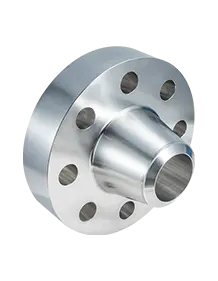
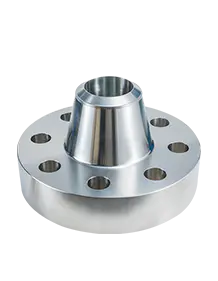
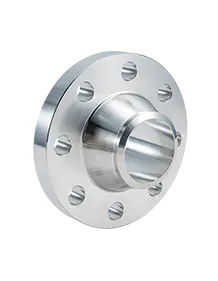
- Weld Neck Flanges (WN): Common in high-pressure systems, these flanges are welded to the pipe and are ideal for severe service conditions.
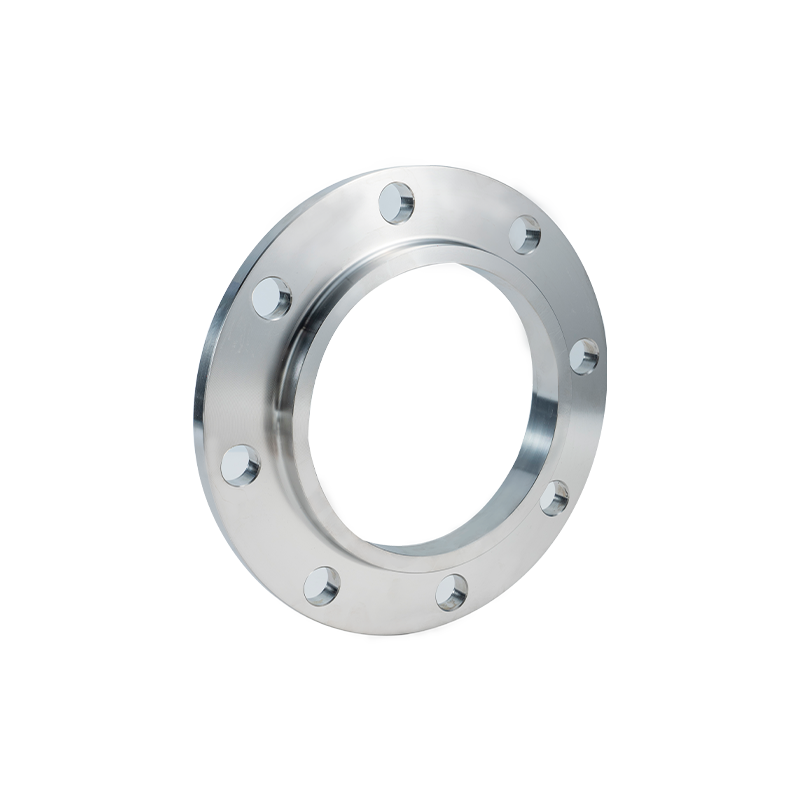
- Slip-On Flanges (SO): Slip-on flanges are ideal for situations where ease of installation and maintenance is critical.
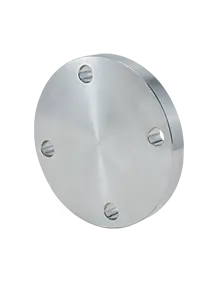
- Blind Flanges (BL): Used to seal the end of a piping system, blind flanges prevent the flow of materials and provide a safe, pressure-tight seal.
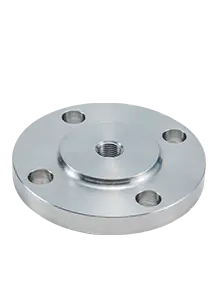
- Threaded Flanges (TH): Ideal for smaller pipes or systems where welding is not feasible.
- Socket Weld Flanges (SW): Designed for small-diameter, high-pressure piping systems, socket weld flanges offer a strong, reliable connection.
Advantages of Using 321 and 321ti Stainless Steel Flanges
The primary benefits of using 321 and 321ti stainless steel flanges include:
- Corrosion Resistance: These flanges are highly resistant to oxidation and corrosion, making them suitable for use in aggressive environments, such as those found in chemical processing plants or high-humidity areas.
- Temperature Tolerance: The excellent temperature resistance of 321 and 321ti stainless steel flanges ensures that they maintain their strength and integrity in both high and low-temperature environments.
- Versatility: These flanges can be used in a wide range of applications, from high-pressure industrial piping systems to low-maintenance domestic installations.
Applications of 321 Stainless Steel Flanges
The 321 stainless steel flange is ideal for various industries due to its resilience against corrosion and high-temperature environments. Some of the key applications include:
- Petrochemical and Chemical Processing: Stainless steel flanges are used in pipelines that transport corrosive chemicals.
- Power Generation: In power plants, especially in steam boilers and heat exchangers, where high temperatures and pressures are a constant concern.
- Marine Engineering: Due to its excellent corrosion resistance, it is a preferred choice in marine applications, including piping systems on ships and offshore platforms.
Customization and Sourcing from Reliable Manufacturers
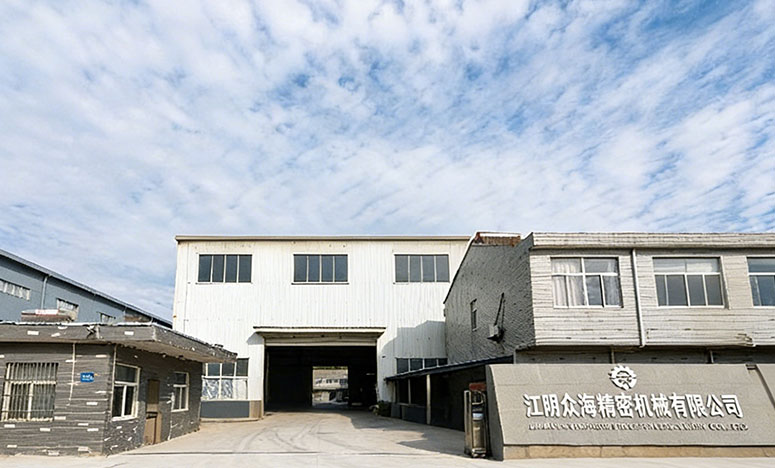
Jiangyin Zhonghai Precision Machinery Co., Ltd. stands out as a leading manufacturer in the flange industry. Their comprehensive range of products includes not only 321 stainless steel flanges but also customized solutions tailored to specific requirements. They provide full-category manufacturing capabilities, from small kilograms to large-diameter flanges, ensuring precision and reliability.
By offering custom flanges, Jiangyin Zhonghai can provide solutions for unique applications, whether it is optimizing flange designs or adhering to specific standards. With its advanced in-house forging, machining, and inspection capabilities, the company ensures that each flange meets both functional and safety requirements.
Quality Standards and Testing for Stainless Steel Flanges
Quality assurance is critical when selecting flanges for industrial applications. Jiangyin Zhonghai Precision Machinery Co., Ltd. manufactures 321ti stainless steel flanges that undergo rigorous quality control processes to meet international standards such as ISO 9001, PED, TUV, and TS certifications.
Each product undergoes comprehensive testing, including material checks, dimensional accuracy, and pressure tests, ensuring that the flanges meet or exceed the specified requirements for both standard and non-standard applications.
Conclusion: The Importance of Choosing the Right Flange Material
Choosing the right flange material is essential for the long-term performance and safety of your piping systems. 321 stainless steel flanges and 321ti stainless steel flanges offer significant advantages in terms of corrosion resistance, high-temperature tolerance, and durability. By understanding the properties of these materials and their applications, industries can make more informed decisions when selecting flanges for critical installations.