English
 中文简体
中文简体 Deutsch








 0
0

 0
0

 0
0


The Complete Guide to EN 1092-1 Type 01 Flanges: Standards, Selection, and Manufacturing
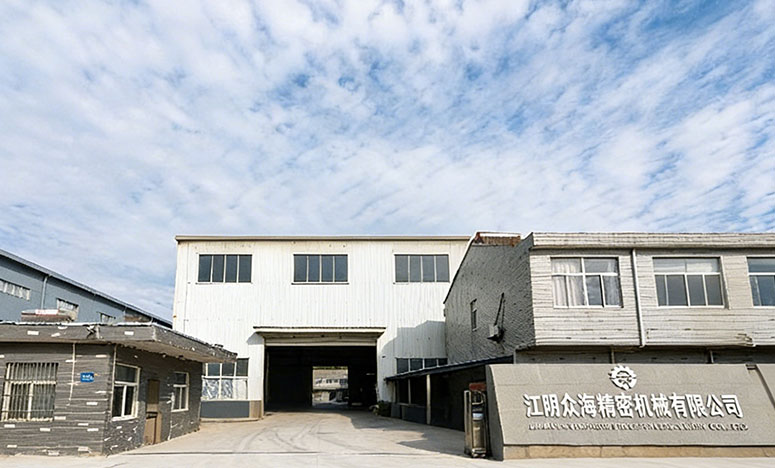
In the complex network of industrial piping, the flange is more than just a connector; it is a critical safety component ensuring system integrity. The EN 1092-1 Type 01 Flange, or Plate Flange, is a cornerstone of European engineering standards. This guide provides a comprehensive technical overview, from decoding its specifications to understanding the manufacturing excellence offered by specialized producers like Jiangyin Zhonghai Precision Machinery Co., Ltd., which leverages integrated forging and machining to deliver reliable, PED-certified solutions for global projects.
Understanding the Standard: EN 1092-1 and Type 01 Specifications
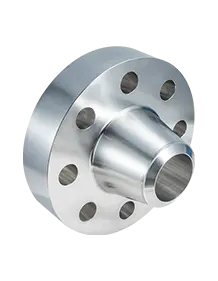
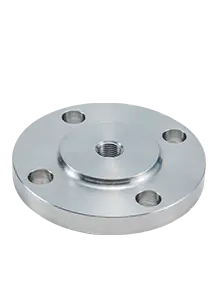
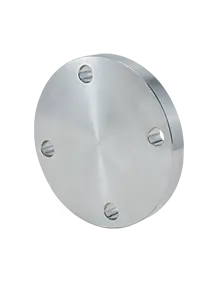
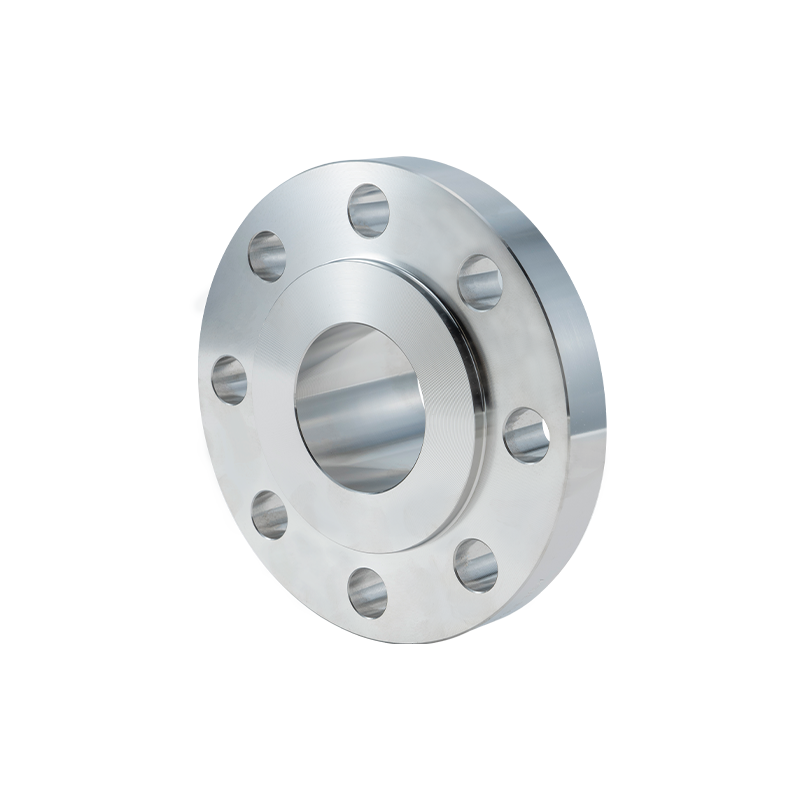
The EN 1092-1 standard, established by the European Committee for Standardization (CEN), defines dimensions, materials, and pressure ratings for circular steel flanges. The Type 01 designation specifically refers to a plate flange designed for welding. Its primary characteristics include a flat, circular shape with a centered bore and drilled bolt holes.
Key parameters defined by the standard include:
| Parameter | Description & Range |
| Nominal Diameter (DN) | The primary size designation, ranging from DN 15 (approx. 1/2") to DN 1500 (60") and beyond for custom orders. |
| Pressure Nominal (PN) | Standardized pressure ratings. Common ratings are PN 6, PN 10, PN 16, PN 25, PN 40, and PN 100, indicating the maximum allowable pressure in bars at 20°C. |
| Facing Types | Type 01 flanges primarily come with Type A (flat face) or Type B (raised face) finishes, which determine the gasket seating surface. |
| Material Groups | The standard specifies approved material grades, such as carbon steel (P245GH, S235JR), stainless steel (304, 316L), and alloy steels, each suited for different service conditions. |
Forged vs. Cut Plate: Selecting the Right Manufacturing Process
Not all Type 01 flanges are created equal. The manufacturing process fundamentally impacts their performance, longevity, and suitability for an application.
- Cut Plate Flanges: These are manufactured by cutting the flange shape from a rolled steel plate. This is a cost-effective method suitable for lower-pressure applications (typically PN 16 and below) and non-critical services where high mechanical strength is not the primary concern.
- Forged Flanges: This process involves shaping heated steel under high pressure, creating a continuous metal grain flow. Forged flanges, as produced by manufacturers with in-house forging lines, offer superior properties.
The comparative advantages of forging are significant for demanding applications:
| Property | Forged Flange | Cut Plate Flange |
| Material Density & Homogeneity | High; forged grain structure eliminates internal voids. | Lower; may inherit inclusions or irregularities from the base plate. |
| Mechanical Strength | Higher tensile and yield strength. | Standard strength of the base plate material. |
| Impact & Fatigue Resistance | Excellent due to continuous grain flow. | Good, but limited by the original plate structure. |
Manufacturers like Jiangyin Zhonghai provide both options, allowing engineers to select the optimal combination of performance and economics for their specific PN rating and service duty.
Precision Machining, Customization, and Large-Scale Capability
Adherence to standard dimensions is a baseline. The true value of a precision manufacturer lies in tight tolerances and the ability to execute custom, large-scale projects.
Precision CNC Machining
Regardless of size, the sealing face flatness and bolt hole alignment (Pitch Circle Diameter - PCD) are critical for a leak-free joint. Advanced CNC turning and drilling ensure these features are machined to exacting tolerances, facilitating perfect alignment during installation.
Custom and Oversized Solutions
Many industrial projects require flanges beyond standard catalog sizes. Capabilities to note include:
- Size Range: The ability to produce flanges from small bore (DN 15) to massive diameters of 4 meters.
- Weight Capacity: Handling single-piece components weighing up to 10 tons requires specialized heavy-duty equipment and process controls.
- Drawing-Based Manufacturing: A full-service manufacturer can take client drawings specifying unique dimensions, pressure ratings, or material grades and provide a complete engineered solution from forging to final machining.
The Critical Role of PED Certification and Quality Assurance
For flanges used in pressure equipment within the European Union and many other regions adopting similar standards, certification is not optional—it is a legal safety requirement.
- PED 2014/68/EU: The Pressure Equipment Directive mandates that flanges must be designed, manufactured, and tested according to strict safety standards. A manufacturer's PED certification is proof of their compliance system.
- Integrated Quality Systems: Certification like ISO 9001 forms the foundation. An independent Quality Assurance department ensures traceability at every step—from raw material certification to final Non-Destructive Testing (NDT) like Ultrasonic Testing (UT).
Choosing a PED-certified supplier like Jiangyin Zhonghai mitigates project risk, ensures regulatory compliance, and provides the documentation package required for final system approval.
FAQ
What is the difference between PN and Class pressure ratings (e.g., PN 40 vs. Class 300)?
PN (Pressure Nominal) and Class (e.g., 150, 300) are different rating systems from different standards. PN is used in European (EN/ISO/DIN) standards, while Class is used in American (ASME/ANSI) standards. They are not directly equivalent. While both indicate a pressure rating, the temperature basis, calculation methods, and dimensional standards differ. For example, a PN 40 flange and a Class 300 flange may handle similar pressures at room temperature but diverge at higher temperatures. It is crucial to select flanges from the same standard family for a mating connection. Cross-standard conversions require careful engineering review and are generally not recommended for direct interchange.
When should I choose a Type A (Flat Face) over a Type B (Raised Face) on an EN 1092-1 flange?
The choice depends on the mating flange material and service pressure:
- Type A (Flat Face): Typically used when the mating flange is made of a brittle material like cast iron, to avoid overstressing and cracking the raised face. It is common for lower-pressure applications.
- Type B (Raised Face): The most common type for steel flanges. The raised area (usually 1-2 mm) allows for a narrower gasket to be used, which can achieve a higher sealing stress with the same bolt load, making it more suitable for medium to higher-pressure services.
Always ensure both mating flanges have compatible facing types to ensure proper gasket compression and seal.
Can EN 1092-1 carbon steel flanges be used for high-temperature service?
Yes, but with critical limitations. Standard carbon steel grades like S235JR have a maximum useful temperature limit (often around 300-350°C). Beyond this, strength decreases significantly, and scaling (oxidation) becomes rapid. For high-temperature service, you must select a material grade specified for that purpose within the EN 1092-1 standard, such as P245GH (1.0358), which is a pressure vessel steel with better high-temperature properties. The manufacturer's material test reports must confirm the grade and its guaranteed mechanical properties at the design temperature.
What are the main advantages of "Custom Machining by Drawing" for flanges?
This service is essential for non-standard applications and offers several key advantages:
- Perfect Fit for Unique Designs: It ensures the flange integrates seamlessly with existing equipment, custom valves, or specially designed pressure vessels where off-the-shelf dimensions won't work.
- Optimized for Performance: Allows engineers to specify exact wall thickness, hub dimensions, or bolt patterns to meet specific stress calculations or space constraints.
- Material Flexibility Enables the use of specific material grades required for corrosion resistance or high-temperature service that may not be standard for that flange type.
- Single-Source Responsibility: Working with a manufacturer like Jiangyin Zhonghai that handles the entire process from technical review to final machining ensures quality control and accountability, reducing project complexity and risk.