English
 中文简体
中文简体 Deutsch








 0
0

 0
0

 0
0


The Impact of High Temperature on Class 2500 Flanges
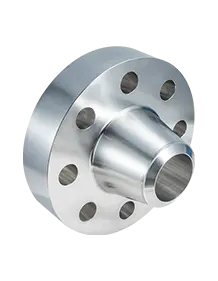
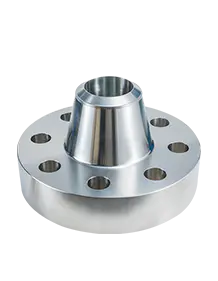
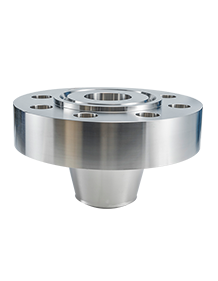
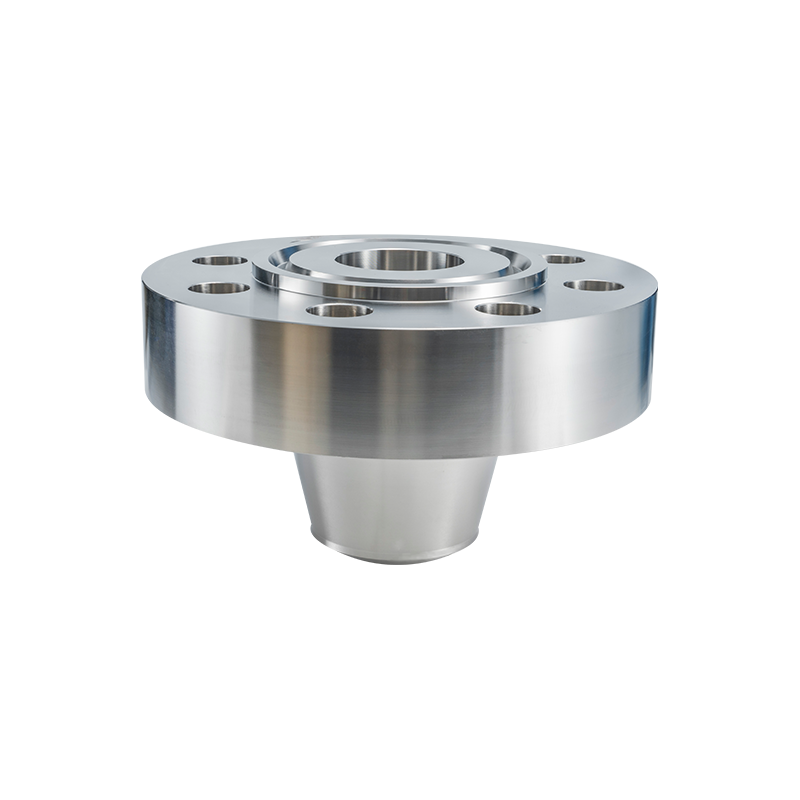
In the realm of ultra-high-pressure engineering, a Class 2500 High-Pressure Flange represents the pinnacle of standard piping connections. However, at temperatures exceeding 400°C, the physics of metallurgy dictates a dramatic shift in performance. For engineers and procurement specialists, understanding this "de-rating" is vital to preventing catastrophic system failure.
Pressure Capacity Loss and Material Science
The primary reason for pressure capacity loss is the reduction in the material's yield strength and the onset of creep. As the temperature crosses the 400°C threshold, the carbon steel or alloy steel becomes more ductile and less resistant to internal pressure.
According to ASME B16.5, a Class 2500 High-Pressure Flange made of standard Carbon Steel (Group 1.1) has a cold working pressure of 425.5 bar (6170 psi). By the time it reaches 400°C, its allowable working pressure drops to approximately 274.2 bar (3980 psi)—a loss of over 35%. If the temperature climbs further to 500°C, the capacity plummets to a mere fraction of its original rating.
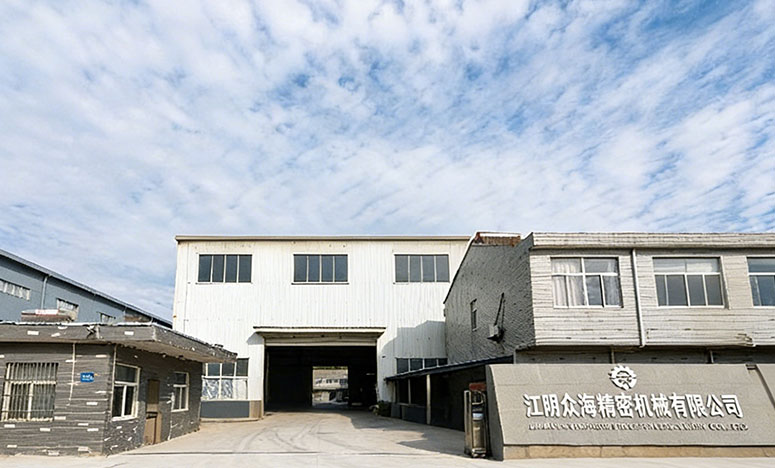
Jiangyin Zhonghai Precision Machinery Co., Ltd., as an ISO 9001–certified manufacturer with PED and TUV qualifications, mitigates these risks by ensuring superior material purity and precise heat treatment. Our in-house heating and forging lines are calibrated to produce high-density structures that maintain maximum possible integrity under these extreme thermal loads.
Pressure-Temperature De-rating Comparison (ASME B16.5)
The following table illustrates the performance decline for a Class 2500 flange (Material Group 1.1, e.g., ASTM A105/A350 LF2):
| Temperature (°C) | Max Pressure (Bar) | Max Pressure (PSI) | Capacity Retained (%) |
| -29 to 38 | 425.5 | 6170 | 100% |
| 200 | 354.1 | 5135 | ~83% |
| 300 | 324.0 | 4700 | ~76% |
| 400 | 274.2 | 3980 | ~64% |
| 450 | 204.1 | 2960 | ~48% |
| 500 | 66.3 | 960 | ~15% |
Engineering Solutions for Ultra-High Pressure
At the Class 2500 level, precision is the only safeguard. Jiangyin Zhonghai Precision Machinery Co., Ltd. specializes in these high-stakes components, offering:
- Complex Machining: Utilizing CNC turning and drilling to ensure Ring Type Joint (RTJ) grooves are flawless, which is essential for high-temperature sealing.
- Large-Scale Forging: With the ability to produce single pieces up to 10 tons and 4 meters in diameter, we provide robust solutions for heavy-duty turbines and high-pressure reactors.
- Material Versatility: We support high-alloy and stainless steel standards (ASTM A182) which offer better retention of strength at temperatures where carbon steel fails.
Frequently Asked Questions (FAQ)
1. How does Jiangyin Zhonghai Precision Machinery Co., Ltd. verify the integrity of Class 2500 flanges?
Given the extreme pressures involved, Jiangyin Zhonghai Precision Machinery Co., Ltd. subjects all high-pressure forgings to rigorous testing. As a PED/TUV/TS qualified manufacturer, we use our complete in-house inspection lines to conduct ultrasonic and magnetic particle examinations, ensuring that every flange—up to 60'' in size—is free from internal defects before it reaches the field.
2. Can Jiangyin Zhonghai Precision Machinery Co., Ltd. manufacture Class 2500 flanges to custom drawings?
Absolutely. While we adhere to ASME, JIS, EN, and DIN standards, Jiangyin Zhonghai Precision Machinery Co., Ltd. is a leader in drawing-based manufacturing. Our facility can handle maximum dimensions of 4 meters and single-piece weights of 10 tons, allowing us to produce customized, ultra-thick high-pressure components for specialized industrial applications.
3. Does Jiangyin Zhonghai Precision Machinery Co., Ltd. offer heat treatment for high-temperature service?
Yes. Proper heat treatment is critical for maintaining strength in high-temperature conditions. Jiangyin Zhonghai Precision Machinery Co., Ltd. manages the entire heating and forging cycle in-house. This allows us to control the normalization and tempering processes precisely, ensuring that our flanges meet the specific mechanical properties required for Class 2500 service as per ASTM/ASME benchmarks.