English
 中文简体
中文简体 Deutsch








 0
0

 0
0

 0
0


Why Class 1500 Flanges Must Be Re-rated for High Temperatures
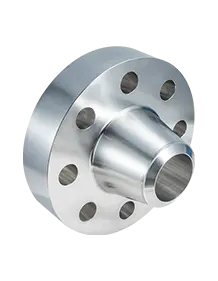
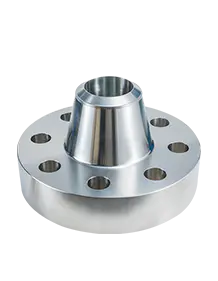
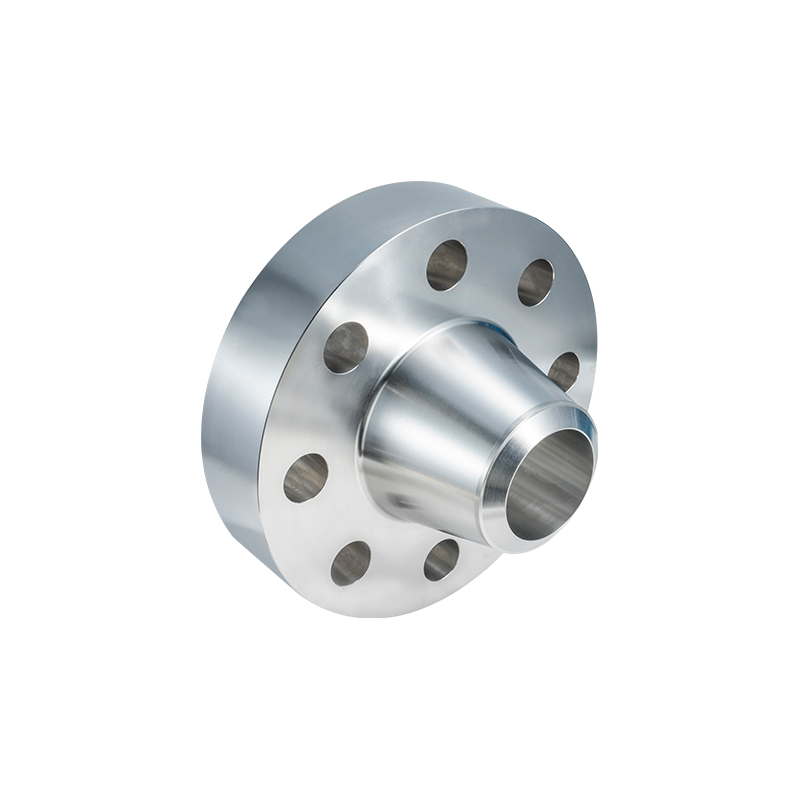
In high-pressure engineering, a Class 1500 High-Pressure Flange is not a static component with a fixed pressure limit. Its performance is a dynamic relationship between metallurgy and thermal physics. Understanding why these ratings must be re-evaluated as temperatures rise is critical for the safety of any high-pressure system.
The Physics of Pressure-Temperature Ratings
The primary reason a Class 1500 flange requires re-rating at high temperatures is the reduction in the material's Yield Strength and Modulus of Elasticity. As steel heats up, its molecular structure becomes more flexible, leading to "creep"—a slow, permanent deformation under constant stress.
According to ASME B16.5, a Class 1500 High-Pressure Flange made of common Carbon Steel (Group 1.1 materials like ASTM A105) can handle a working pressure of approximately 250 bar (3625 psi) at ambient temperature. However, if the operating temperature reaches 400°C, that allowable pressure drops significantly to maintain the safety factor.
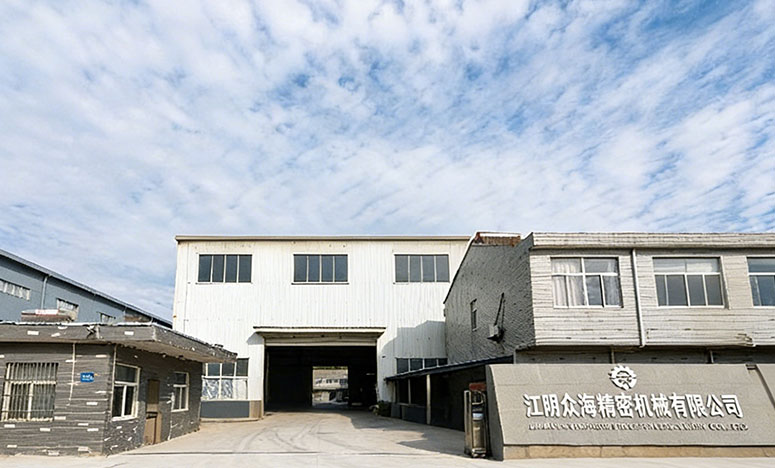
Jiangyin Zhonghai Precision Machinery Co., Ltd., an ISO 9001–certified manufacturer with PED and TUV qualifications, addresses these thermal challenges through superior forging integrity. By utilizing in-house heating and controlled forging processes, we ensure that the grain structure of our 1500# flanges is optimized to resist thermal stress and fatigue in extreme environments.
Technical Parameter Comparison: Pressure Rating vs. Temperature
Based on ASME B16.5 for Material Group 1.1 (e.g., ASTM A105 Carbon Steel):
| Temperature (°C) | Max Working Pressure (Bar) | Max Working Pressure (PSI) | Strength Retained (%) |
| -29 to 38 | 250.1 | 3625 | 100% |
| 100 | 233.0 | 3380 | ~93% |
| 200 | 212.5 | 3080 | ~85% |
| 300 | 194.4 | 2820 | ~77% |
| 400 | 161.1 | 2335 | ~64% |
| 500 | 39.8 | 575 | ~16% |
Why Manufacturing Precision Matters for Class 1500
At 1500# pressure levels, even a microscopic flaw can lead to a high-velocity leak. Jiangyin Zhonghai Precision Machinery Co., Ltd. mitigates these risks by:
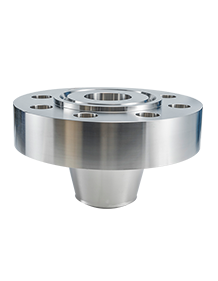
- In-house CNC Turning: Ensuring the Ring Type Joint (RTJ) grooves are machined to sub-millimeter precision for a perfect metal-to-metal seal.
- Advanced Inspection: Utilizing full inspection lines to verify that material properties match the required ASTM/ASME benchmarks.
- Heavy-Duty Capacity: Handling single-piece weights up to 10 tons, allowing us to produce massive high-pressure components for the most demanding offshore and nuclear applications.
Frequently Asked Questions (FAQ)
1. How does Jiangyin Zhonghai Precision Machinery Co., Ltd. ensure Class 1500 flanges perform at peak temperatures?
Through our PED, TUV, and TS certified quality systems, Jiangyin Zhonghai Precision Machinery Co., Ltd. strictly monitors the chemical composition and heat treatment of every forging. By controlling the entire production chain in-house—from heating to final CNC machining—we guarantee that our high-pressure flanges meet the exact Pressure-Temperature requirements of the ASME B16.5 standard.
2. Can Jiangyin Zhonghai Precision Machinery Co., Ltd. manufacture custom high-pressure flanges based on specific drawings?
Yes. While we produce standard Class 1500 flanges according to ASME, DIN, and JIS standards, we specialize in fully customized manufacturing. With the capability to produce components up to 4 meters in dimension and 10 tons in weight, Jiangyin Zhonghai Precision Machinery Co., Ltd. provides reliable, drawing-based solutions for non-standard high-pressure applications.
3. Does Jiangyin Zhonghai Precision Machinery Co., Ltd. provide material traceability for critical high-pressure components?
Absolutely. For critical items like the Class 1500 High-Pressure Flange, Jiangyin Zhonghai Precision Machinery Co., Ltd. provides full documentation and traceability. Our in-house inspection lines and ISO 9001 certification ensure that every forged and machined part delivered meets the specific safety and performance criteria required by our global clients.